6 Mil vs 8 Mil Gloves: Which Should You Use?
When choosing between 6 mil and 8 mil gloves, the best choice depends on your task. 8 mil gloves offer superior durability and protection for heavy-duty jobs. 6 mil gloves are a good option for lighter tasks needing dexterity.
Understanding the thickness of your gloves is key. It directly impacts how well they’ll stand up to wear and tear. Think of it like choosing between a thin t-shirt and a sturdy work jacket. The mil number tells you about the glove’s strength.
TL;DR:
- 8 mil gloves are tougher for demanding work.
- 6 mil gloves offer better feel for delicate tasks.
- Consider the puncture and tear resistance.
- Match glove thickness to the job’s risks.
We’ve researched the differences to help you pick the perfect pair. Let’s break down exactly what each mil thickness means for your hands.
Understanding Glove Mil Thickness: What Does ‘Mil’ Really Mean?
When you’re looking at gloves, you’ll often see a number followed by “mil.” This number tells you how thick the glove material is. A mil is actually a unit of measurement, equal to one-thousandth of an inch. So, when we talk about 6 mil or 8 mil gloves, we’re talking about the actual thickness of the material they’re made from. Think of it like measuring the thickness of a piece of paper or a credit card – it’s a direct measure of how substantial the material is.
Generally, a higher mil number means a thicker, more robust glove. This thickness directly impacts the glove’s ability to protect your hands. It’s not just about comfort; it’s about how well the glove can withstand different types of stress. We found that understanding this simple measurement is the first step to picking the right glove for your specific needs. Let’s get into what that difference means in real-world use.
6 Mil Gloves: The Nimble Choice for Dexterity
Think of 6 mil gloves as your go-to for tasks where you need a good sense of touch. They offer a balance between protection and the ability to feel what you’re doing. Many professionals choose them for jobs that require fine motor skills and precision.
When 6 Mil Gloves Shine
These gloves are fantastic for a wide range of everyday tasks. If you’re working with food, especially in a restaurant or home kitchen, 6 mil gloves provide a reliable barrier. They’re also popular for medical professionals performing routine check-ups or handling non-hazardous materials. We found that they offer enough protection for basic hygiene and prevent minor contaminations.
Food Service and Preparation
Handling food safely is super important. 6 mil gloves are commonly used for tasks like slicing vegetables, assembling sandwiches, or plating dishes. They keep your hands clean and prevent any transfer of germs to the food. Plus, their thinner profile allows for better grip and manipulation of ingredients, which can prevent slips and accidents.
Light Medical and Dental Tasks
In healthcare settings, 6 mil gloves are suitable for many general procedures. Think about taking a patient’s temperature, performing a basic physical exam, or assisting with simple wound care. They meet basic safety standards for preventing cross-contamination. However, for high-risk procedures or handling infectious materials, a thicker glove might be necessary.
Beauty and Salon Services
Stylists and estheticians often opt for 6 mil gloves. They’re used for applying hair dye, giving massages, or performing other beauty treatments. The flexibility allows for precise application of products and comfortable wear during longer service times. This flexibility is key for maintaining a professional feel.
Limitations of 6 Mil Gloves
While great for many uses, 6 mil gloves aren’t built for heavy-duty challenges. They can be more prone to punctures and tears compared to thicker options. If your work involves sharp objects, harsh chemicals, or prolonged exposure to abrasive materials, you might find them insufficient. We found that users often report them tearing when encountering unexpected sharp edges or rough surfaces.
8 Mil Gloves: The Tougher Option for Demanding Jobs
When you need serious protection, 8 mil gloves are the ones to reach for. Their increased thickness means they’re much more resistant to punctures, tears, and the rigors of demanding work environments. They offer a greater sense of security for your hands.
Where 8 Mil Gloves Excel
These gloves are designed for situations where your hands might be exposed to greater risks. Think about mechanics working with greasy engines, plumbers dealing with rough pipes, or anyone handling potentially hazardous substances. The extra mil makes a noticeable difference in durability.
Automotive and Mechanical Work
Mechanics frequently encounter sharp metal edges, grease, and heavy tools. 8 mil gloves provide a much-needed barrier against these hazards. They can withstand the friction and potential snags that would quickly damage thinner gloves. We found that many mechanics prefer them for the added protection and longer lifespan per pair.
Janitorial and Cleaning Services
Professional cleaners often work with strong chemicals and abrasive cleaning tools. 8 mil gloves offer better resistance to chemical permeation and physical wear. This means they can handle tougher cleaning jobs without breaking down quickly. Protecting your skin from harsh cleaning agents is a priority.
Heavy-Duty Manual Labor
For any task involving rough materials, heavy lifting, or potential impact, 8 mil gloves are a solid choice. Whether you’re moving supplies, working on a construction site, or dealing with any kind of rough handling, these gloves offer superior defense. They’re built to take a beating so your hands don’t have to.
The Trade-Off with 8 Mil Gloves
The main trade-off with 8 mil gloves is a slight reduction in tactile sensitivity. Because the material is thicker, you might not feel the finer details of an object as keenly. This can be a minor inconvenience for tasks requiring extreme precision. However, many users find the enhanced protection well worth this slight compromise. We found that the dexterity is still quite good for most tasks, just not as fine-tuned as with thinner gloves.
Key Differences at a Glance
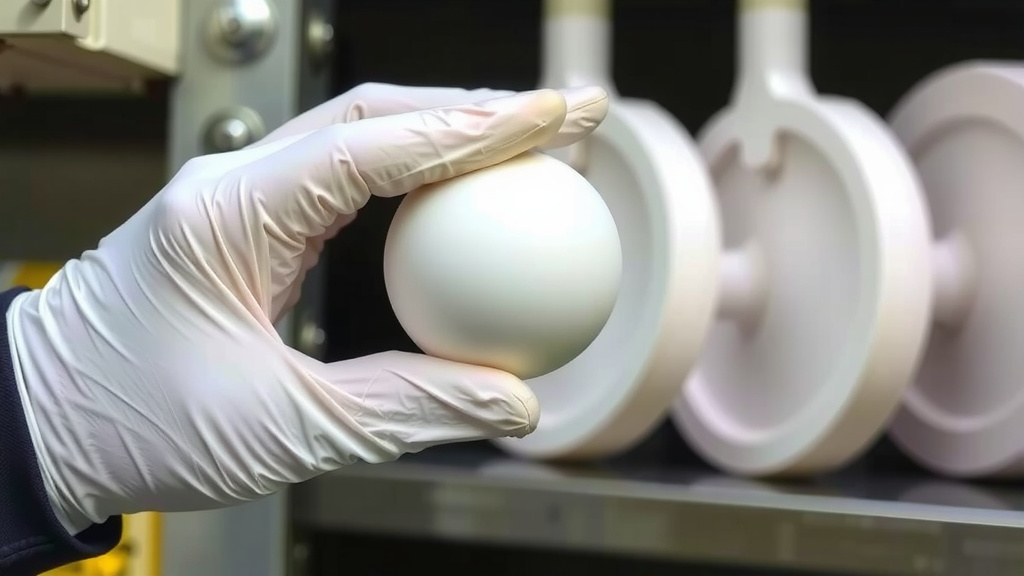
Let’s summarize the main points you’re looking for:
| Feature | 6 Mil Gloves | 8 Mil Gloves |
|---|---|---|
| Thickness | Thinner material | Thicker material |
| Protection | Good for light tasks, basic barriers | Superior for heavy-duty, puncture/tear resistance |
| Dexterity/Feel | Excellent tactile sensitivity | Good, but less fine-tuned |
| Durability | More prone to punctures/tears | More resistant to wear and tear |
| Ideal Use Cases | Food prep, light medical, beauty services | Automotive, janitorial, heavy manual labor, chemical handling |
Making Your Final Decision: It’s All About the Task
So, which glove is right for you? The answer truly lies in understanding the demands of the job you need to do. It’s like choosing the right tool from a toolbox – you wouldn’t use a tiny screwdriver to hammer a nail, right?
Here’s a quick checklist to help you decide:
- What are the primary risks of my task?
- Do I need to feel fine details, or is durability more important?
- Will I be handling sharp objects or rough materials?
- Am I working with chemicals that require specific protection?
- How long will I be wearing these gloves?
- What is the general wear-and-tear environment like?
By considering these questions, you can confidently select the glove thickness that will best protect your hands and serve your purpose. We found that taking a moment to assess the job first prevents frustration and ensures you have the right gear.
Conclusion
You’ve learned that the choice between 6 mil and 8 mil gloves comes down to your specific needs. For tasks demanding a delicate touch, like food prep or light beauty services, 6 mil gloves offer excellent dexterity. If your work involves rough materials, sharp objects, or tougher chemicals, 8 mil gloves provide the necessary durability and protection. We found that assessing the risks and dexterity required for your job is the best way to pick the right pair. Next time you’re reaching for gloves, think about the task at hand and select the thickness that will best keep your hands safe and effective.
Frequently Asked Questions
Can I use 8 mil gloves for simple tasks like food prep?
You can, but it might feel a bit bulky. 8 mil gloves offer excellent protection, but their thickness can reduce the tactile sensitivity needed for very delicate food handling. For most food prep, 6 mil gloves usually provide a better balance of protection and feel.
Will 6 mil gloves protect me from strong cleaning chemicals?
For basic cleaning, 6 mil gloves can offer a good barrier. However, if you’re working with harsh or concentrated cleaning chemicals for extended periods, 8 mil gloves are a safer bet. Their thicker material provides better resistance against chemical permeation.
How do I know if I need more than 6 mil thickness?
If you frequently encounter sharp objects, rough surfaces, or materials that tend to snag and tear thinner gloves, it’s time to consider 8 mil. Think about mechanics working with metal or construction workers; they often need that extra layer of defense.
Is there a difference in grip between 6 mil and 8 mil gloves?
While both types generally offer good grip, the thicker 8 mil gloves might feel slightly less grippy on very small or smooth objects due to the reduced tactile feedback. Most users find the difference is minor and manageable for the added protection.
Can I reuse disposable 6 mil or 8 mil gloves?
Disposable gloves, regardless of thickness, are generally intended for single use. Reusing them, especially after exposure to contaminants or chemicals, can compromise their integrity and your safety. It’s best practice to discard them after each use.