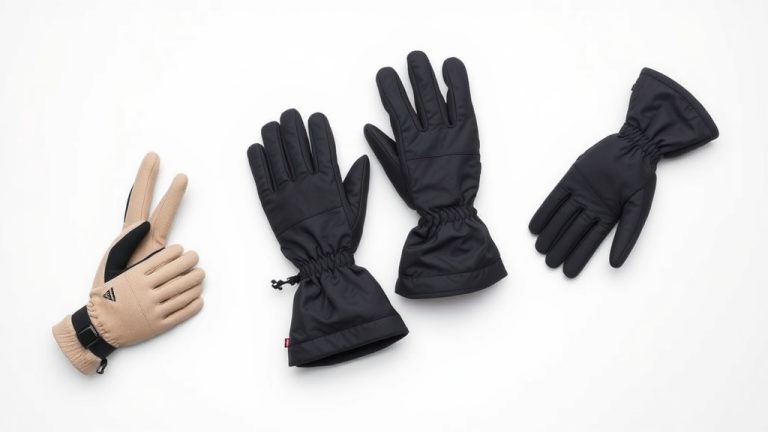
How Cut Resistant Gloves Work: Materials and Technology
Cut resistant gloves work by using specialized, super-strong fibers that are woven tightly together. These fibers resist tearing and slicing, so they can protect your hands from sharp objects. Think of it like a superhero shield for your fingers, built from materials that are incredibly tough.
When you wear cut resistant gloves, the fibers create a dense barrier. If a sharp edge tries to cut through, it gets caught and snagged by these tough threads. This action stops the blade from reaching your skin. Many gloves are made from materials like Kevlar or Dyneema, which are known for their amazing strength-to-weight ratio.
- Cut resistant gloves use strong fibers.
- These fibers are woven very tightly.
- The weave stops sharp edges from cutting through.
- Materials like Kevlar and Dyneema are common.
- They act as a protective shield for your hands.
Let’s walk through exactly how these clever gloves keep your hands safe from accidental cuts.
Understanding How Cut-Resistant Gloves Defend Your Hands
So, how do these seemingly ordinary gloves offer such extraordinary protection against sharp objects? It all comes down to the clever engineering of their materials and construction. We’ve all had those moments where we’re working with something sharp, and a slip could mean a trip to the ER. Cut-resistant gloves are designed to be your first line of defense.
The primary mechanism is straightforward: the gloves create a barrier that’s much harder to cut than your skin. This isn’t magic; it’s science, plain and simple. Think of it like wearing a thick leather jacket instead of a t-shirt when you’re out in a cold wind. The jacket offers protection the t-shirt can’t.
The Science Behind the Strength: Specialized Fibers
At the heart of every cut-resistant glove are its fibers. These aren’t your average cotton or polyester threads. Instead, manufacturers use high-performance materials specifically chosen for their incredible strength and resistance to abrasion and cutting. You might have heard of some of these before.
Key Materials in Cut Resistance
Many of the strongest gloves utilize fibers like:
- Aramid Fibers: This is a broad category that includes famous names like Kevlar®. These fibers are synthesized and known for being five times stronger than steel on an equal weight basis. They’re also resistant to heat, making them versatile.
- Ultra-High Molecular Weight Polyethylene (UHMWPE): This is the family that includes materials like Dyneema® and Spectra®. These fibers are incredibly strong, lightweight, and have excellent resistance to cuts and abrasion. They’re so tough that they can often float on water!
- Steel or Fiberglass Reinforcement: Some gloves may weave in fine strands of steel or fiberglass. These add extra rigidity and cutting resistance, especially for very demanding tasks.
We found that the strength-to-weight ratio of these materials is a major factor. They can be made into very fine threads that are still incredibly strong, allowing for comfortable and flexible gloves.
The Power of the Weave: How Fibers Work Together
It’s not just about the fibers themselves, but how they are put together. The way these special threads are woven into the fabric of the glove is critical. Imagine trying to cut through a loosely knitted scarf versus a tightly woven canvas. The canvas is much harder to tear or cut.
Cut-resistant gloves use a dense, tight weave. This packing of fibers means that when a sharp edge encounters the glove, it has to push through many strong threads at once. Instead of cleanly slicing through one or two threads, the sharp object gets snagged and resisted by the dense matrix of fibers.
We found that the tighter the weave and the higher the denier (a measure of thread thickness) of the fibers used, the greater the cut resistance generally is. It’s this combined power of strong materials and smart construction that creates an effective barrier.
How the Glove Resists a Cut: The Mechanics in Action
Let’s break down what actually happens when a sharp object, like a knife blade or a shard of glass, comes into contact with your gloved hand. It’s a fascinating interplay between force, material, and friction.
Friction and Friction: The First Line of Defense
When you touch a sharp edge with a cut-resistant glove, the first thing that happens is friction. The rough texture of the specialized fibers creates resistance. This friction alone can be enough to make a sharp object slide rather than bite deep into the material. It’s like trying to slide a knife across a rough sandpaper surface – it won’t move as easily.
Snagging and Binding: Stopping the Slice
If the friction isn’t enough, the fibers themselves come into play. The tight weave is designed to snag and bind the sharp edge. Think of tiny little arms of the glove reaching out and grabbing onto the blade. The incredibly strong threads resist being severed. Instead of cutting, the blade gets caught, often stopping its forward motion.
Many experts say that the key is not necessarily for the glove to be “cut-proof,” but rather “cut-resistant.” The goal is to significantly slow down or stop the blade from penetrating to your skin. It buys you time and prevents serious injury from accidental contact.
Energy Dispersion: Spreading the Force
Another important factor is how the glove disperses the energy of the cut. When a force is applied, the strong fibers help to spread that force over a larger area of the glove. This prevents a concentrated point of pressure that could lead to a puncture or deep cut. It’s similar to how a wider tire distributes a car’s weight over more road surface.
Understanding Cut Resistance Ratings: What Do They Mean?
Not all cut-resistant gloves are created equal. You’ll often see them rated using different standards. Understanding these ratings helps you choose the right glove for your specific needs. We found that looking at these numbers is essential for making an informed decision.
The EN 388 Standard: A Common Measure
In Europe, and increasingly recognized worldwide, the EN 388 standard is widely used. It tests gloves for resistance to abrasion, cuts, tears, and punctures. For cut resistance specifically, there are two main tests:
The “Coup Test” (Rotary Cutter Test)
This test uses a rotating circular blade under a specific pressure. The number of cycles the blade can withstand before cutting through the glove is measured. This gives you a rating from 1 to 5, with 5 being the highest resistance. Many safety guidelines point to a rating of 3 or higher for general protection (European Committee for Standardization).
The “TDM Test” (Straight Blade Test)
This newer method, also part of EN 388, uses a straight blade that moves back and forth across the glove material under a controlled force. It provides a more precise measurement and also results in a rating from A to F, with F being the highest cut resistance. This test is considered more indicative of real-world cutting scenarios by some safety professionals.
When you’re shopping, you’ll typically see a glove marked with something like EN 388 [level]-[level]-[level]-[level]. The second digit (for the old coup test) or the fourth digit (for the new TDM test) will indicate the cut resistance level.
The Importance of Choosing the Right Level
Why does this matter to you? Well, a glove rated for light protection might be fine for handling cardboard boxes, but it won’t do much against a sharp piece of metal. Conversely, an overly heavy-duty glove might be too stiff for fine motor tasks.
We found that matching the glove’s rating to the potential hazard is key. For example:
- Level A-B: Good for general handling, light industrial tasks.
- Level C-D: Suitable for handling glass, metal sheets, and some construction work.
- Level E-F: Designed for the highest risk jobs, like handling extremely sharp objects or in industries like meat processing and metal fabrication.
Choosing wisely ensures you have the right balance of protection and dexterity for your work.
Checklist for Understanding Your Gloves:
- Check the Label: Always look for an official rating like EN 388.
- Identify the Test: See if it’s the older coup test or the newer TDM test.
- Understand the Numbers/Letters: Know what the rating (e.g., Level 4 or Level D) means.
- Match to Your Task: Ensure the rating fits the sharpness of objects you handle.
- Consider Dexterity: Balance protection with your need for fine motor skills.
- Inspect Regularly: Make sure your gloves are in good condition before each use.
Conclusion
You now understand that cut-resistant gloves offer robust hand protection through specialized fibers like Kevlar and Dyneema, woven tightly together. This dense weave, combined with the inherent strength of these materials, creates a barrier that snags and disperses sharp edges, preventing them from reaching your skin. By knowing how to read cut resistance ratings, like the EN 388 standard, you can confidently select the right glove for your tasks. Always prioritize safety by choosing gloves that match the hazard level you face and ensure they fit well for optimal dexterity. Take the next step to protect your hands – choose the right cut-resistant gloves for your needs today.
Frequently Asked Questions
Are cut-resistant gloves completely cut-proof?
No, cut-resistant gloves are designed to resist cuts, not to be completely cut-proof. They significantly reduce the risk of injury by snagging and slowing down sharp objects. The goal is to protect your skin from penetration during accidental contact.
How do different materials like Kevlar and Dyneema provide cut resistance?
Materials like Kevlar and Dyneema are made of incredibly strong synthetic fibers with a superior strength-to-weight ratio. These fibers are woven tightly, creating a dense barrier that can catch and resist sharp edges far better than traditional fabrics can.
What does an EN 388 Level 5 rating mean for cut resistance?
An EN 388 Level 5 rating, achieved through the older coup test, indicates a very high level of cut resistance. This means the glove material could withstand a significant number of cycles from a rotating blade before being cut through, offering substantial protection against sharp objects.
Can I still do fine motor tasks while wearing cut-resistant gloves?
Many cut-resistant gloves are designed to offer a balance between protection and dexterity. While very high-level gloves might be stiffer, gloves with lower ratings or made from thinner, flexible fibers often allow for good tactile feel and the ability to perform tasks requiring fine motor skills.
How often should I check my cut-resistant gloves for damage?
You should inspect your cut-resistant gloves before each use. Look for any signs of wear, such as thinning in the fabric, cuts, holes, or tears, especially in high-wear areas. Damaged gloves can compromise their protective capabilities.