How Nitrile Gloves Are Made: A Manufacturing Deep Dive
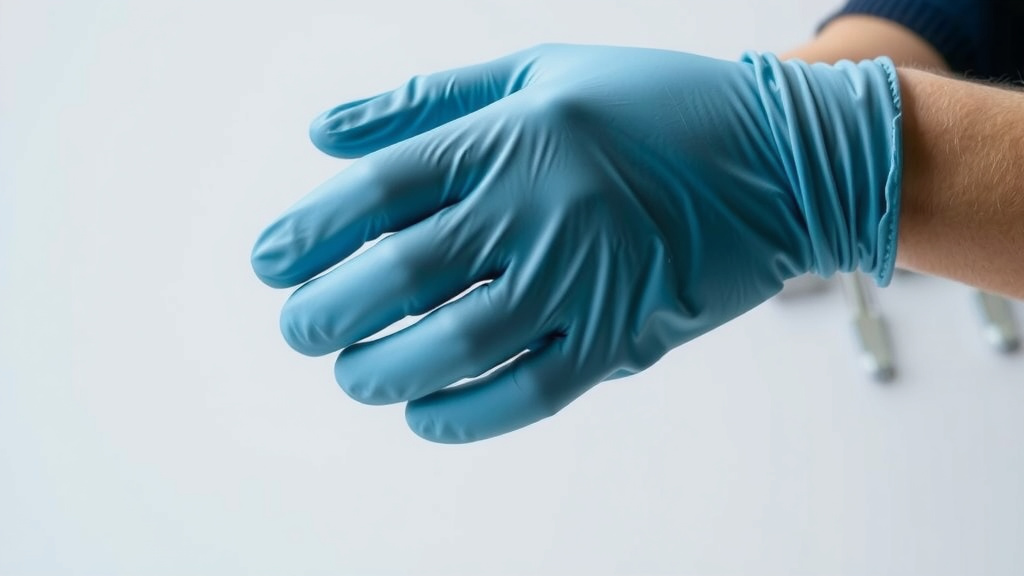
Nitrile gloves are manufactured through a process called dip molding, where a former is dipped into a synthetic rubber latex. This creates a durable, flexible glove used across many industries. You’ll find these gloves are a popular choice for anyone needing reliable hand protection.
The production involves several key steps to ensure quality. This includes preparing the latex mixture and precisely controlling the dipping and curing times. Many manufacturers focus on creating gloves that are both comfortable to wear and provide excellent barrier protection against chemicals and contaminants.
- Nitrile gloves are made using a dip molding technique.
- This involves dipping a mold into a synthetic rubber latex.
- The process includes careful preparation and curing stages.
- These gloves offer strong protection for various uses.
Let’s walk through exactly how these essential gloves are made, step by step.
The Journey from Liquid to Glove: How Nitrile Gloves Are Made
You might be curious about how those reliable nitrile gloves get their start. The manufacturing process is actually quite fascinating. It all begins with a specialized liquid and a clever molding technique.
The Foundation: Nitrile Latex Preparation
Before anything else, the raw material needs to be ready. This involves creating a precise mixture of synthetic latex.
What is Nitrile Latex?
Nitrile latex is not natural rubber. It’s a synthetic polymer called acrylonitrile-butadiene rubber (NBR). This gives the gloves their distinct properties. Nitrile is known for its resistance to punctures and various chemicals. It’s also a great alternative for those with latex allergies.
Blending the Ingredients
The NBR is mixed with water and various additives. These additives are key to the final glove’s performance. They can include stabilizers, vulcanizing agents, and pigments. The exact recipe is often a closely guarded secret for each manufacturer. This blend ensures the gloves have the right flexibility and durability.
The Dip Molding Process: Creating the Glove Shape
This is where the magic happens, turning liquid into a glove. It’s a multi-step dip molding process.
The Former: A Hand’s Shape
Manufacturers use ceramic or aluminum molds, called formers. These formers are shaped precisely like a hand. They are usually designed to create gloves in various sizes. The smooth surface of the former is crucial for an even glove coating.
First Dip: The Primer
Before dipping into the main latex, the formers get a special treatment. They are dipped into a coagulant solution. This helps the latex adhere properly. It also prepares the surface for the next layer.
Second Dip: Building the Glove
Next, the formers are dipped into the prepared nitrile latex. The thickness of the glove is determined by how long the former is submerged. Some manufacturers do a second dip to ensure a thicker, more robust glove, especially for industrial uses.
Leaching: Removing Impurities
After the dipping, the gloves go through a process called leaching. This involves washing them in hot water. This step is very important. It removes any residual chemicals or soluble latex particles. Proper leaching ensures the gloves are safe for skin contact and reduces the chance of allergic reactions (CDC).
Curing and Finishing: Making Them Ready
Once the basic shape is formed and cleaned, the gloves need to be hardened and prepared for use.
Vulcanization: The Curing Stage
Vulcanization is a critical step. It uses heat to cure the rubber. This process cross-links the polymer chains. It makes the nitrile material strong and elastic. Without curing, the gloves would be soft and easily torn. The curing temperature and time are carefully controlled.
Stripping the Gloves
After curing, the gloves are carefully removed from the formers. This is often done mechanically. The flexibility of the nitrile allows them to be peeled off without damage.
Optional Treatments: Adding Features
Some gloves receive additional treatments at this stage. This can include chlorination to make them easier to put on and take off. Others might have a polymer coating applied. This adds another layer of comfort and wearability.
Quality Control Checks
Before packaging, rigorous quality checks are performed. Inspectors look for any defects. This includes holes, tears, or uneven thickness. They might also test for chemical resistance and tensile strength. This ensures each glove meets safety standards.
Packaging for Protection
Finally, the finished gloves are packaged. They are typically boxed in quantities for distribution. This protects them from dust and damage until they reach your hands.
Here’s a quick checklist of the key manufacturing stages:
- Preparing the synthetic nitrile latex mixture.
- Pre-treating ceramic or aluminum hand-shaped formers.
- Dipping formers into the latex to build glove thickness.
- Washing gloves in hot water to remove impurities (leaching).
- Curing the gloves with heat to strengthen the material.
- Stripping finished gloves from the formers and packaging them.
Conclusion
You’ve now journeyed through the fascinating manufacturing process of nitrile gloves. From the careful preparation of synthetic latex to the precise dip molding and essential curing stages, each step ensures you get a reliable product. These gloves are designed for your safety, offering excellent protection against various hazards. Understanding this process helps you appreciate the quality and thought behind every pair you use. Next time you reach for a pair, remember the technology that makes them work for you.
Frequently Asked Questions
Are nitrile gloves made from petroleum products?
Yes, nitrile gloves are derived from synthetic rubber polymers, specifically acrylonitrile and butadiene. These are typically petroleum-based chemicals. This synthetic origin is why they are a great alternative for individuals with natural rubber latex allergies.
How do manufacturers ensure nitrile gloves are free of holes?
Manufacturers employ stringent quality control measures throughout the production. This includes visual inspections and automated testing for leaks and imperfections after the curing process. Any glove failing these tests is rejected to ensure safety and reliability for the user.
Why are some nitrile gloves powdered and others not?
Historically, cornstarch powder was used to help with donning and reduce friction. However, many modern nitrile gloves are **powder-free** to avoid potential skin irritation or contamination issues in sensitive environments. You can choose based on your personal preference and application needs.
What makes nitrile gloves resistant to chemicals?
The unique molecular structure of nitrile rubber (NBR) provides its resistance. This synthetic polymer forms a strong barrier that is less permeable to many chemicals than natural rubber. The specific blend of additives also contributes to this protective quality.
Can the dip molding process create different glove textures?
Yes, manufacturers can alter the surface texture of the formers or use specialized coatings. This allows for different grip patterns on the fingers and palms. You’ll find textured nitrile gloves are often preferred in wet or oily conditions for improved handling.