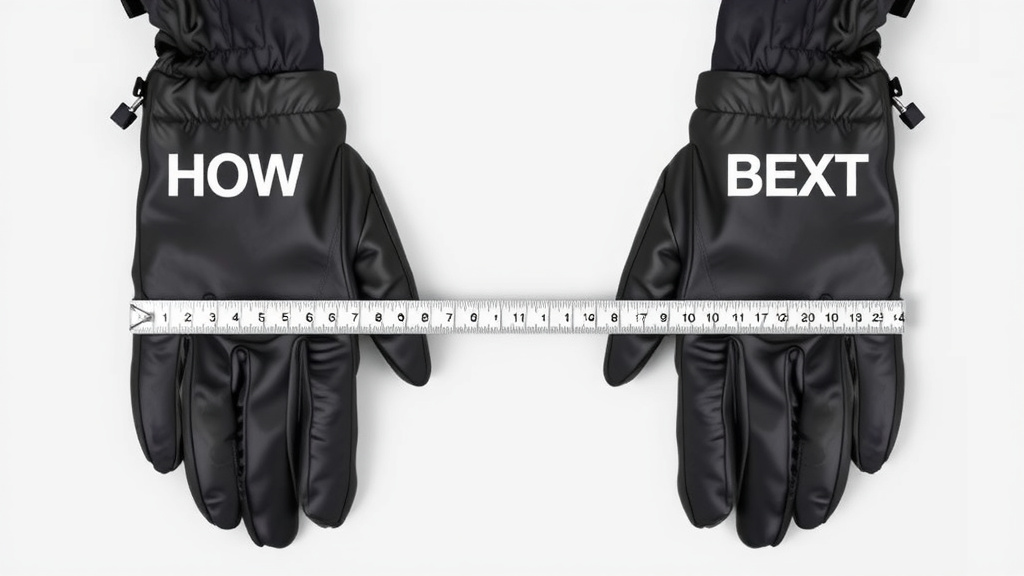
How to Measure Gloves: A Simple Sizing Guide
Measuring gloves to find your perfect fit is simpler than you might think! You typically measure your hand across the widest part, usually across the knuckles, and then consult a sizing chart. For most gloves, you’ll want to measure the If you’re measuring for golf gloves, our guide to cadet small vs small golf glove sizing can help.circumference of your palm, not including your thumb. This measurement helps determine the right glove size for comfort and proper function.
Getting the right glove size means your hands will stay warm and protected. A glove that’s too tight can restrict blood flow, making your hands colder. Too loose, and you might lose dexterity or have them slip. We found that many sizing charts use either your palm measurement or the length of your hand from the tip of your middle finger to the base of your palm. Always check the specific brand’s sizing guide for the best results.
- Measure your palm circumference at the knuckles.
- Compare this measurement to a brand’s specific sizing chart.
- Consider hand length if the chart provides it.
- A good fit prevents cold hands and maintains dexterity.
Ready to find your perfect pair? Let’s walk through exactly how to measure your hands step by step so you can get gloves that feel like they were made just for you.
Finding Your Perfect Glove Fit: A Simple Guide
So, you’re ready to buy some gloves and want to make sure they feel just right. That’s smart thinking! The right fit makes a huge difference. We found that measuring your hand correctly is the key to gloves that are comfortable and work well. Let’s break down how to get that perfect measurement so you can stop worrying about fit and start enjoying your new gloves.
Understanding Glove Sizing Basics
Most glove manufacturers use a standard way to size their gloves. It usually comes down to one main measurement. This measurement helps ensure your gloves offer both **warmth and the freedom to move** your hands.
The Palm Circumference Method
This is the most common way glove sizes are determined. You’ll be measuring around the widest part of your palm. Think of it as the area just above your thumb and across your knuckles. This measurement is usually taken in inches or centimeters.
We found that this measurement is crucial because it tells you how much material is needed to comfortably cover the widest part of your hand. A glove that’s too tight here can be really uncomfortable. It can also restrict circulation, which is the last thing you want, especially if you’re trying to keep your hands warm.
How to Measure Your Palm Circumference
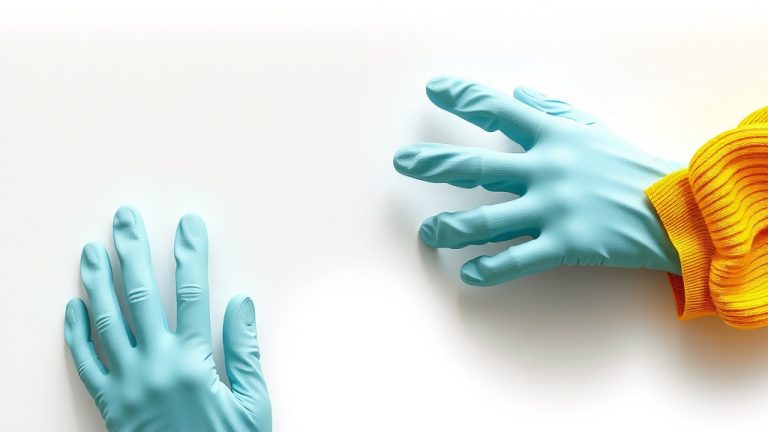
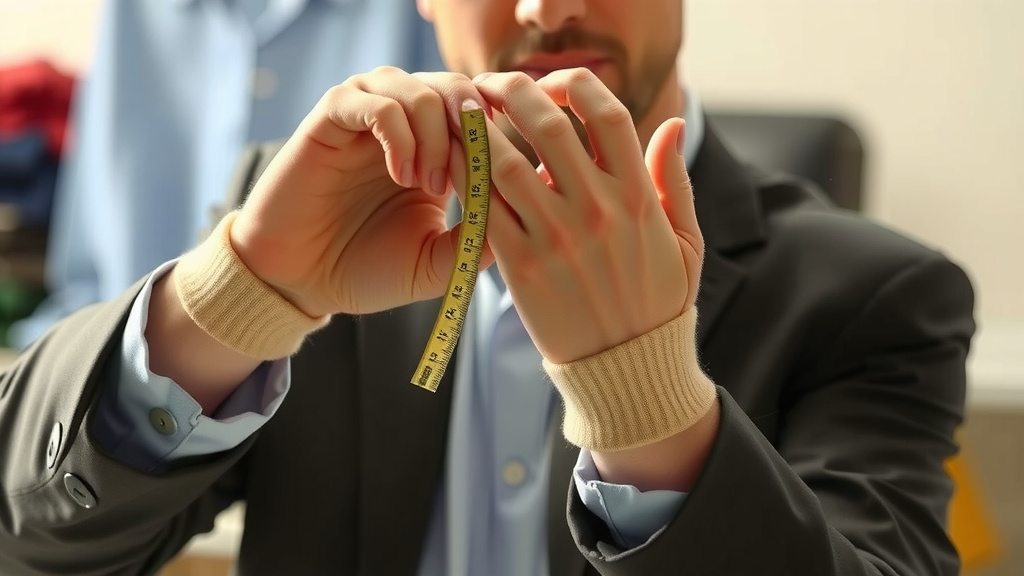
Grab a flexible tape measure or a piece of string and a ruler. Stand or sit with your hand relaxed and open, palm facing up. Don’t clench your fist, as this will give you an inaccurate reading. You want to measure your hand in its natural state.
Wrap the tape measure around the ball of your hand. This is the area just below your fingers, across the knuckles. Make sure the tape is snug but not digging into your skin. Many experts recommend not including your thumb in this measurement. It should go around the palm itself.
If you’re using a string, mark where the end meets the rest of the string after you’ve wrapped it. Then, lay the string flat against a ruler to get your measurement. This method is just as effective.
The Hand Length Measurement
Some brands might also ask for your hand length. This is often a secondary measurement, or sometimes the primary one for specific types of gloves, like work gloves or mittens. It gives another point of reference for a good fit.
To measure your hand length, start at the tip of your middle finger. This is typically your longest finger. Then, run the tape measure down to the crease where your palm meets your wrist. Again, keep your hand flat and relaxed for the most accurate result.
We found that combining palm circumference with hand length can lead to an even better glove fit. It accounts for both the width and the overall length of your hand. This is especially helpful if you have longer fingers or a narrower palm.
Using Glove Sizing Charts Effectively
Once you have your measurements, the next step is to compare them to a sizing chart. This is where things can vary slightly between brands. What one brand calls a “medium” might be different for another.
Navigating Brand-Specific Charts
Every glove manufacturer should provide a sizing chart. You’ll usually find this on their website or on the product packaging. It’s essential to look for the chart specific to the brand you are interested in. We found that many charts will list glove sizes (like S, M, L, XL) alongside the corresponding palm circumference measurements in inches or centimeters.
Some charts might also include hand length measurements. If they do, measure both your palm circumference and your hand length. Then, see which size best matches your measurements on their chart. If your measurements fall between two sizes, it’s often recommended to size up for a more comfortable fit.
A Sample Glove Sizing Chart (Illustrative)
Here’s an example of what you might see. Remember, this is just a guide, and you should always refer to the specific brand’s chart.
| Glove Size | Palm Circumference (inches) | Palm Circumference (cm) | Hand Length (inches) |
|---|---|---|---|
| X-Small | 6.5 – 7.0 | 16.5 – 17.8 | 6.5 – 6.75 |
| Small | 7.0 – 7.5 | 17.8 – 19.1 | 6.75 – 7.0 |
| Medium | 7.5 – 8.0 | 19.1 – 20.3 | 7.0 – 7.25 |
| Large | 8.0 – 8.5 | 20.3 – 21.6 | 7.25 – 7.5 |
| X-Large | 8.5 – 9.0 | 21.6 – 22.9 | 7.5 – 7.75 |
Notice how the measurements often overlap slightly between sizes. This is why checking the specific chart is so important. They might have slightly different ranges.
What About Different Glove Types?
The way you measure can also depend on the type of glove. For example, ski gloves or winter gloves might need a little extra room for warmth and liners. We found that for these, it’s often better to aim for a slightly looser fit than for, say, driving gloves where a snug fit is more important for grip.
Cycling gloves, on the other hand, might require a very precise fit to prevent blisters and ensure good control. For batting gloves in baseball, a tight, second-skin feel is usually preferred. Always consider the intended use of the glove.
Tips for the Best Glove Fit
Beyond just taking measurements, there are a few extra tips that can help you find that perfect pair. A little extra attention can go a long way.
When in Doubt, Size Up (Usually)
If your measurements fall right on the line between two sizes, we generally recommend sizing up. It’s much easier to add a liner or tolerate a little extra space than to deal with gloves that are painfully tight. Tight gloves can make your hands colder, which defeats the purpose for many types of gloves.
Consider the Material
Different glove materials stretch differently. Leather gloves, for example, will often stretch and mold to your hand over time. If you’re buying leather gloves, it’s okay for them to feel a bit snug at first, as long as they aren’t uncomfortably tight. Synthetic materials may not stretch as much.
Try Them On If You Can
The absolute best way to know if gloves fit is to try them on. If you’re shopping in person, put them on and do a few simple movements. Wiggle your fingers, make a fist, and bend your wrist. Do they feel restrictive anywhere? Are there any pressure points?
Read Reviews
If you’re buying online, check out customer reviews. People often mention if a glove runs small, large, or true to size. This real-world feedback can be incredibly helpful. We found that reviews often give practical advice that sizing charts alone can’t provide.
Your Glove Fit Checklist:
- Measure your palm circumference at the knuckles.
- Measure your hand length from middle fingertip to wrist crease.
- Always use the brand’s specific sizing chart.
- If between sizes, consider sizing up for comfort.
- Account for the glove’s intended use and material.
- Try them on if possible or read online reviews.
Conclusion
You’ve learned that finding the perfect glove fit boils down to a couple of key measurements. Primarily, you’ll measure your palm circumference across the knuckles. Some brands may also ask for your hand length. Remember to always consult the specific brand’s sizing chart, as these can vary. If you’re between sizes, we’ve found that sizing up often leads to a more comfortable and functional glove. This attention to detail ensures your gloves keep you warm, protected, and allow for easy movement. Now you’re ready to confidently select a pair that feels custom-made for your hands!
Frequently Asked Questions
How do I measure my hand if I don’t have a flexible tape measure?
If you don’t have a flexible tape measure, you can easily use a piece of string. Wrap the string around the widest part of your palm, making sure it’s snug but not tight. Mark the string where the end meets the rest. Then, lay the string flat against a standard ruler to get your measurement in inches or centimeters.
Should I measure my hand with my fingers together or spread apart?
For the most accurate glove measurement, you should measure your hand with your fingers together and relaxed. Avoid clenching your fist or spreading your fingers too wide, as this can distort your hand’s natural shape and lead to an incorrect size.
Do I need to consider the type of material when measuring for gloves?
Yes, it’s a good idea. Leather gloves, for instance, tend to stretch and mold to your hand over time. If you’re buying leather, they can feel a bit snug initially. Synthetic materials typically don’t stretch as much, so aim for a more comfortable fit right away.
What if my measurements fall exactly between two glove sizes?
When your measurements are right on the border between two sizes, we generally recommend choosing the larger size. It’s usually easier to adjust with a liner or tolerate a little extra room than to deal with gloves that are uncomfortably tight.
Are glove measurements the same for men, women, and children?
While the basic measurement method (palm circumference) is the same, sizing charts are usually gender and age-specific. Men’s, women’s, and children’s hands have different average dimensions, so always use the chart designed for the intended wearer.