How Are Gloves Made: A Look Inside Glove Manufacturing
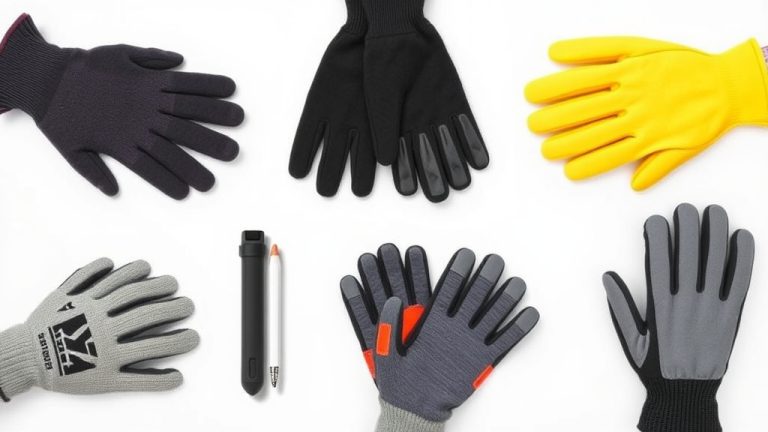
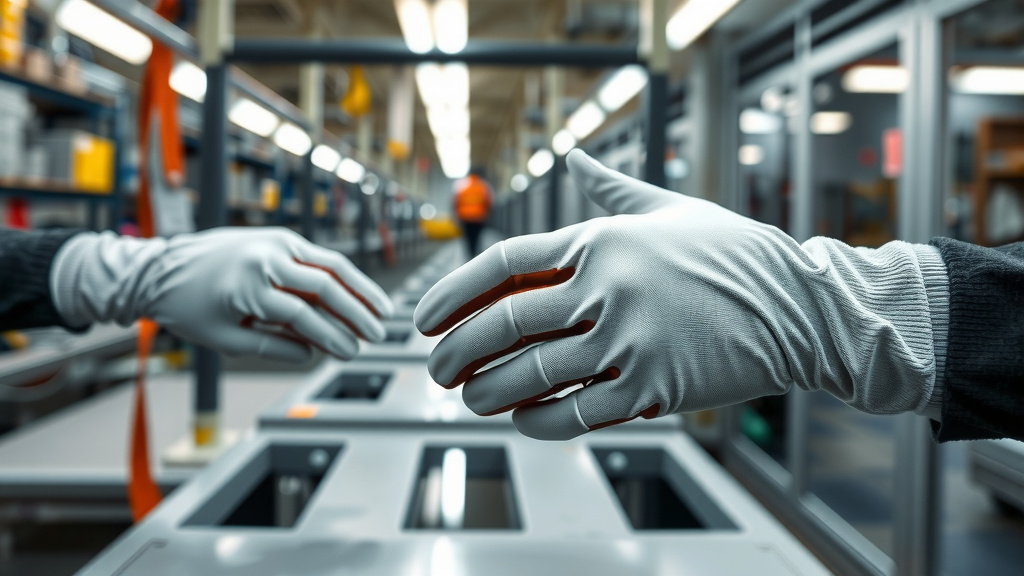
Gloves are made through a variety of processes depending on their material, like cutting and sewing fabric or dipping latex or nitrile into molds. Whether for warmth, protection, or medical use, the creation involves shaping raw materials into the form of a hand. You’ll find they are assembled with care to ensure fit and function for your specific needs.
From the initial material selection to the final inspection, each step plays a role in glove production. We found that the method used can greatly impact the glove’s durability, flexibility, and protective qualities. Understanding how they’re made helps you appreciate the craftsmanship that goes into this everyday essential.
- Gloves are made by cutting and sewing materials or dipping molds.
- The process varies greatly based on the intended use and material.
- It involves careful shaping and assembly for a proper fit.
- Your chosen glove type dictates the specific manufacturing steps.
Let’s walk through exactly how different types of gloves are brought to life, step by step.
“`htmlThe Journey From Raw Material to Your Hands
We found that the way gloves are made really depends on what they’re made of and what you’ll use them for. It’s like baking a cake; you use different ingredients and methods for a sponge cake versus a cheesecake.
Fabric Gloves: Cutting, Sewing, and Stitching
For gloves made from cloth, leather, or synthetic fabrics, the process is much like making any other garment. We found it’s all about precision cutting and careful assembly.
Design and Pattern Making
It all starts with a pattern. Designers create a template that perfectly matches the shape of a hand. This pattern is essential for ensuring a good fit. It’s often done using specialized software.
Cutting the Material
Once the pattern is ready, it’s laid onto the chosen material. This could be anything from soft cotton or warm wool to durable leather or advanced synthetic textiles. Machines or skilled workers then carefully cut the material according to the pattern. Many factories use automated cutting machines for accuracy and speed.
Sewing and Assembly
This is where the pieces really come together. Skilled seamstresses or automated sewing machines stitch the cut pieces. They usually start with the fingers, then move to the palm and back of the hand. Seams are reinforced to make the gloves strong. Different stitching techniques are used depending on the material and the desired look. We found that the type of stitch can affect both durability and flexibility.
Adding Details and Finishing Touches
Sometimes, extra features are added. This might include elastic bands at the wrist for a snugger fit, decorative stitching, or grip enhancements. After sewing, any loose threads are trimmed. The gloves are then inspected for any flaws.
Disposable Gloves: Dipping and Forming
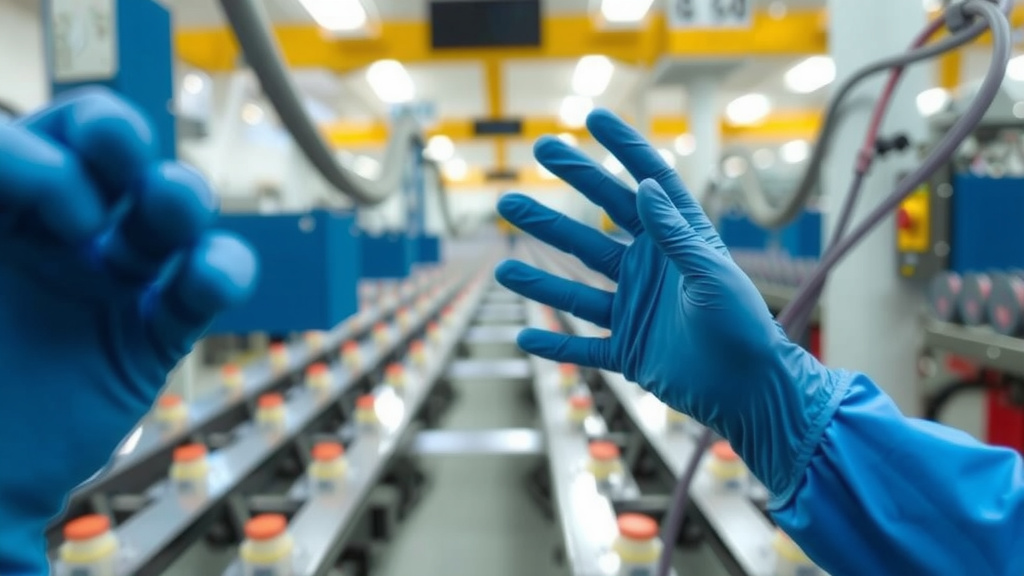
When you think of medical gloves or food-handling gloves, you’re often thinking of latex, nitrile, or vinyl. These are made using a process called “dip molding.” It’s quite fascinating, really.
The Mold is Key
The process starts with a hand-shaped mold, usually made of ceramic or aluminum. These molds are meticulously cleaned and prepared. They are often pre-heated to ensure the material adheres properly. The size and shape of the mold dictate the size and shape of the final glove.
Dipping into the Raw Material
The pre-heated mold is dipped into a liquid bath of the glove material. For latex gloves, this is natural rubber latex. For nitrile gloves, it’s a synthetic compound. The thickness of the glove is controlled by how long the mold is dipped and the concentration of the material. We found that controlling this dip is critical for consistent thickness.
Curing and Vulcanizing
After dipping, the mold moves through ovens. This heat causes the material to solidify and cure. For latex, this process often includes vulcanization. Vulcanization is a chemical process that strengthens the rubber, making it more durable and elastic. Many guidelines suggest this step is vital for performance (National Institute of Standards and Technology).
Leaching and Chlorination (Optional)
Some gloves, especially latex ones, undergo a leaching process. This washes away water-soluble proteins that can cause allergic reactions in some people. Following this, a chlorination step might be used. It creates a smoother surface, making the gloves easier to put on and take off. We found that this helps reduce friction.
Beading and Stripping
A beaded cuff is formed around the wrist edge. This strengthens the cuff and makes it easier to don the glove. Finally, the cured glove is stripped from the mold. This is often done with water jets or air pressure. The finished glove is then inspected.
Specialty Gloves: Unique Processes
Beyond fabric and dip-molded gloves, there are many specialized types. Their creation often involves unique materials and techniques.
Diving and Waterproof Gloves
These often use neoprene or other waterproof materials. They might be stitched and sealed, or molded in a way that ensures no water can get in. The focus here is on complete water resistance and insulation.
Work and Safety Gloves
Heavy-duty work gloves, like those for construction or welding, often combine different materials. Leather might be used for the palm for abrasion resistance, while fabric is used for the back for breathability. They are typically sewn with very strong, durable threads. We found that the combination of materials is key to their protective qualities.
Sports Gloves
Athletic gloves, such as batting gloves or golf gloves, prioritize grip and flexibility. They often use thin, supple leather or specialized synthetic materials. The design focuses on a second-skin fit to improve performance.
Here’s a quick checklist of what we learned about glove making:
- Patterns are essential for accurate sizing.
- Fabric gloves involve cutting and sewing.
- Dip molding creates latex, nitrile, and vinyl gloves.
- Heat is used to cure and strengthen the glove material.
- Specialty gloves use unique materials and techniques.
- Inspection is a vital final step for quality control.
Conclusion
We’ve seen how gloves transform from raw materials into essential tools. Whether it’s the precise cutting and sewing of fabric gloves or the careful dipping of molds for disposable types, each method ensures your hands are protected and comfortable. Understanding these processes helps you appreciate the craft behind every pair. Next time you put on a pair, you’ll know the care that went into their creation, from design to inspection. Think about the intended use of your next glove purchase and how its manufacturing supports that function.
Frequently Asked Questions
Are all gloves made in the same factory?
No, gloves are made in many different types of factories. Fabric gloves are often made in garment factories. Disposable gloves like latex or nitrile are produced in specialized chemical manufacturing plants. Each requires different machinery and expertise.
How are custom-fit gloves made for specific jobs?
Custom-fit gloves are made by taking precise measurements of the wearer’s hand. This data is used to create a unique pattern. The glove is then cut and assembled specifically to those dimensions, ensuring a perfect, functional fit for specialized tasks.
What makes some gloves more durable than others?
Durability comes from the materials used and the manufacturing techniques. Heavy-duty materials like thick leather or reinforced synthetics, combined with strong stitching and construction methods, create tougher gloves. The manufacturing process also focuses on reinforcing high-wear areas.
Why do some disposable gloves have a beaded cuff?
The beaded cuff is a rolled edge at the top of the glove. It’s added for strength, preventing the glove from tearing when you pull it on. It also makes the glove easier to grip and pull onto your hand.
Can you recycle the materials used to make gloves?
Recycling options depend heavily on the glove material. Fabric gloves made from natural fibers might be recyclable. However, many disposable gloves, especially those used in medical or industrial settings, are made from mixed or contaminated materials and are often not recyclable. Some specialty programs exist for recycling certain types of work gloves.