How Disposable Gloves Are Made: A Step-by-Step Guide
Disposable gloves are made through an industrial process called dipping. Essentially, machines dip molds shaped like hands into liquid latex or vinyl. These materials then dry and form a thin, protective glove. It’s a fascinating blend of automation and material science.
This dipping method is key to producing gloves in large quantities efficiently. The type of material used, like nitrile or latex, determines the glove’s durability and flexibility. Manufacturers carefully control the dipping time and material thickness for consistent quality. It’s all about creating a reliable barrier for your hands.
- Disposable gloves are made by dipping hand-shaped molds into liquid materials.
- Common materials include latex, vinyl, and nitrile.
- The process is automated for high-volume production.
- Thickness and material type affect glove performance.
Let’s walk through exactly how these gloves go from liquid to your hands, step by step.
The Journey of Disposable Gloves: From Liquid to Protection
Ever wondered how those thin, protective barriers for your hands come to life? It’s a clever, automated process that transforms liquid materials into the gloves you rely on daily. We’re talking about a method that’s both simple in concept and highly efficient in execution.
This manufacturing journey relies heavily on a technique called dipping. Imagine a machine gently lowering a hand-shaped form into a vat of liquid material. That’s the core idea! This method allows for consistent thickness and coverage, which is vital for creating a reliable barrier.
Understanding the Core Manufacturing Process: Dipping
At its heart, creating disposable gloves is all about dipping. Machines use specially designed molds that mimic the shape of a human hand. These molds are the foundation upon which the glove is built.
The Dipping Sequence: Step-by-Step
Let’s break down how these gloves are made. It’s a surprisingly straightforward process, yet it requires precision at every turn.
1. Mold Preparation and Cleaning
Before any dipping begins, the hand-shaped molds must be perfectly clean. Any residue could affect the quality of the final glove. They undergo a thorough cleaning process to ensure a pristine surface.
2. Coagulant Application
Next, the clean molds are dipped into a liquid called a coagulant. This substance helps the main glove material adhere to the mold. Think of it as a primer coat for painting. It’s a thin layer that prepares the surface for what’s to come.
3. The Main Material Dip
This is where the glove starts to take shape. The molds, now coated with coagulant, are dipped into a large vat containing the raw glove material. This could be natural rubber latex, vinyl, or nitrile. The depth and duration of this dip control the glove’s thickness.
4. Leaching and Washing
After the main dip, the molds go through a leaching process. This helps remove any soluble compounds from the material. Following this, they are washed to remove excess chemicals. This step is crucial for reducing the risk of allergic reactions, especially with latex gloves (CDC).
5. Beading and Curing
A rim, or bead, is formed around the cuff of the glove. This makes the glove easier to put on and prevents tearing. Then, the gloves are cured. This is a heating process that hardens the material, giving the glove its final strength and elasticity. Different materials require different curing temperatures and times.
6. Stripping and Packaging
Finally, the finished gloves are stripped from the molds. They are then inspected for defects and packaged, ready for distribution. Automation plays a huge role here, ensuring speed and consistency in the packaging line.
Materials Matter: The Different Types of Disposable Gloves
The material chosen for a disposable glove significantly impacts its performance and suitability for different tasks. You’ve likely seen or used a few different kinds.
Natural Rubber Latex Gloves
Latex gloves are known for their excellent flexibility and tactile sensitivity. They offer a snug fit and are quite durable for their thinness. However, some individuals experience allergic reactions to the proteins in natural latex. This is why many alternatives have become popular.
Vinyl Gloves
Vinyl gloves are typically the most affordable option. They are often used for low-risk tasks where prolonged wear or high dexterity isn’t critical. While they offer a good barrier, they tend to be less flexible and can be more prone to tearing than latex or nitrile. They are a good choice for food service or general cleaning.
Nitrile Gloves
Nitrile gloves have become a very popular choice. They are made from synthetic rubber, meaning they are completely free of latex proteins, making them a safe bet for those with latex allergies. Nitrile offers excellent resistance to punctures, chemicals, and oils. Many healthcare professionals and industrial workers prefer them for their durability and reliable protection.
| Material | Pros | Cons | Typical Use Cases |
|---|---|---|---|
| Latex | Excellent flexibility, tactile sensitivity, comfortable fit | Risk of allergic reaction, susceptible to certain chemicals | Healthcare, general laboratory, personal care |
| Vinyl | Most affordable, good for low-risk tasks, easy to produce | Less flexible, less durable, prone to tearing | Food handling, janitorial services, light industrial tasks |
| Nitrile | Excellent puncture and chemical resistance, latex-free, durable | Can be more expensive than vinyl, slightly less tactile feel than latex | Healthcare, automotive, industrial applications, food service |
Quality Control: Ensuring a Reliable Barrier
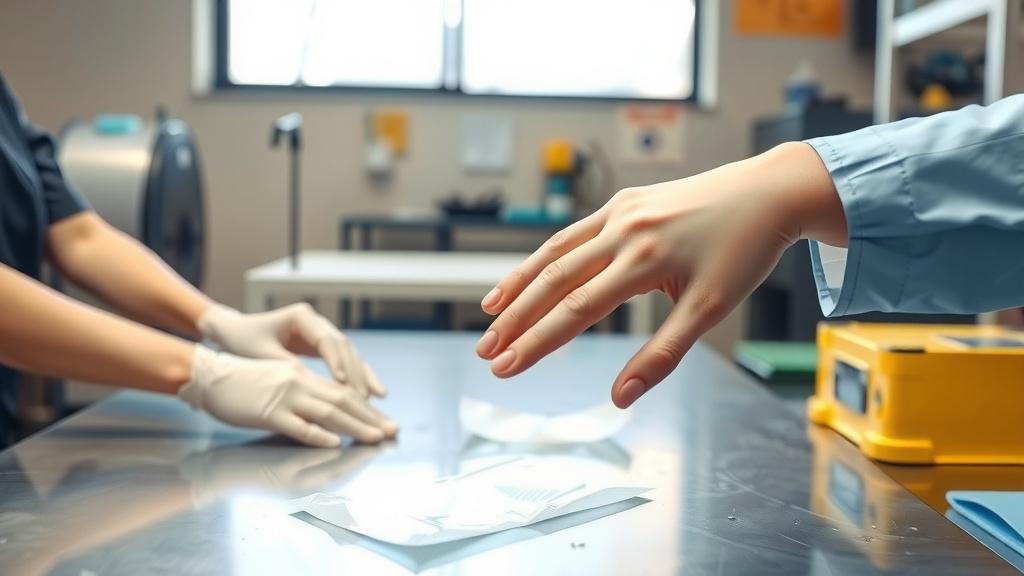
Manufacturing gloves isn’t just about dipping and drying; it’s also about ensuring every glove meets stringent quality standards. This is where quality control steps in.
Automated Inspection Systems
High-speed cameras and sensors are often used to detect even the smallest defects. These systems check for holes, thin spots, or imperfections in the material. Ensuring the integrity of the glove is paramount for providing effective protection.
Material Testing
Manufacturers also conduct regular tests on the raw materials and finished products. This includes checking for tensile strength, elasticity, and chemical resistance. These tests help confirm that the gloves will perform as expected in real-world conditions (FDA).
Making the Right Choice for Your Needs
Understanding how disposable gloves are made helps you appreciate their function and choose the right ones for your tasks. Whether you need them for cleaning, cooking, or professional use, the dipping process ensures you get a consistent, protective barrier.
Think about what you’ll be doing when you select your gloves. Are you handling food, performing medical procedures, or dealing with chemicals? Your answer will point you towards the best material.
A Quick Checklist for Choosing Your Gloves:
- Consider the risk level of your task.
- Think about the chemicals or substances you’ll encounter.
- Determine if dexterity is a top priority.
- Are there any allergy concerns (like latex)?
- What level of durability do you need?
- Is cost a major factor?
Conclusion
You’ve seen how disposable gloves transform from liquid materials into protective barriers through an automated dipping process. From mold preparation to final packaging, each step ensures you receive a consistent and reliable product. The choice between latex, vinyl, and nitrile hinges on your specific needs, considering factors like flexibility, durability, and allergy concerns. By understanding this manufacturing journey, you’re better equipped to select the perfect gloves for your tasks. Next time you reach for a pair, you’ll know exactly how they’re made to keep your hands safe.
Frequently Asked Questions
How do they make disposable gloves so thin yet strong?
The thickness of disposable gloves is controlled during the dipping process. Manufacturers carefully manage how long the mold stays in the liquid material and the material’s concentration. This precision dip ensures the glove is thin enough for dexterity but strong enough for protection.
Can I recycle disposable gloves?
Generally, most disposable gloves are not recyclable through standard curbside programs. They are made from materials like latex, vinyl, or nitrile that are difficult to process. It’s best to check with your local waste management for any specialized recycling options in your area.
Why do some gloves have a rolled rim at the top?
That rolled rim, called a bead, isn’t just for looks. It adds strength to the glove’s cuff, making it less likely to tear when you’re putting it on or taking it off. This feature also makes it easier to don the glove smoothly.
Are all disposable gloves safe for people with latex allergies?
No, only gloves explicitly labeled as latex-free are safe for individuals with latex allergies. Natural rubber latex gloves contain proteins that can cause reactions. Nitrile and vinyl gloves are typically good latex-free alternatives.
How do manufacturers ensure there are no holes in the gloves?
Quality control is a big part of the manufacturing process. Automated inspection systems with high-speed cameras and sensors check every glove for defects like holes or thin spots. Material testing is also performed regularly to ensure strength and integrity.