Perfect Baseball Glove Fit: Your Comprehensive Guide
A baseball glove should fit snugly, like a firm handshake for your hand. You want it to feel like an extension of your hand, not a bulky oven mitt. The pocket should cradle the ball without it falling out, and the fingers should feel secure without being cramped. A glove that’s too loose will hinder your ability to catch, while one that’s too tight can be painful and slow you down. Finding that perfect glove fit is key to playing your best.
Getting the right fit means considering the type of player you are and the position you play. Youth players need different fits than seasoned adults. Infielders might prefer a smaller, more compact glove for quick transfers. Outfielders often use larger gloves for better ball security. We found that the best way to determine fit is by trying gloves on and seeing how they feel with a ball in the pocket. This direct experience is often more helpful than just measurements.
- A glove should fit snugly but comfortably.
- The pocket needs to securely hold the ball.
- Fingers should feel secure, not squished.
- Fit depends on your position and age.
- Trying gloves on with a ball is best.
Ready to find your perfect match? Let’s walk through exactly how to check if a baseball glove is the right size and feel for you.
Getting Your Baseball Glove to Fit Like a Dream
So, you’ve got a new glove, or maybe you’re just realizing your old one feels a bit off. A glove that fits right makes a huge difference. It’s not just about comfort; it’s about performance. We found that the sweet spot for glove fit means it feels snug but allows for natural hand movement. You don’t want your hand swimming in it, nor do you want it to feel like a vice grip. Let’s break down how to achieve that perfect, game-ready feel.
The Feel Test: Snugness and Mobility
The first thing you’ll notice when trying on a glove is how it feels around your hand. It should be snug but not tight. Imagine your hand is giving the glove a firm, confident handshake. Your fingers should reach the end of the glove’s finger stalls without being crammed. If your fingertips are pushing hard against the tips, it’s likely too small. Conversely, if there’s a lot of extra space, your hand might move around too much, hindering your ability to make a clean catch.
Checking Finger Stall Fit
Slide your fingers into each stall. They should feel supported and secure. You should be able to wiggle your fingers slightly within their respective stalls. If your fingers feel like they’re being squished together, that glove might be too narrow. Many players, especially those with larger hands, find that some gloves have finger stalls that are just too tight. It’s a common issue we’ve seen many players struggle with.
The Thumb and Pinky Fit
Your thumb and pinky are key players in catching. The thumb stall should wrap comfortably around your thumb without digging in. The pinky stall needs to feel just right, too. For some players, especially those who prefer a two-in-one pinky setup (where you put two fingers in one stall), this area needs to be accommodating. We found that some gloves offer a wider pinky stall option for this very reason. It’s about finding what works for It’s about finding what works for your unique hand shape, especially if you have larger hands.your unique hand shape.
Pocket Depth and Ball Security
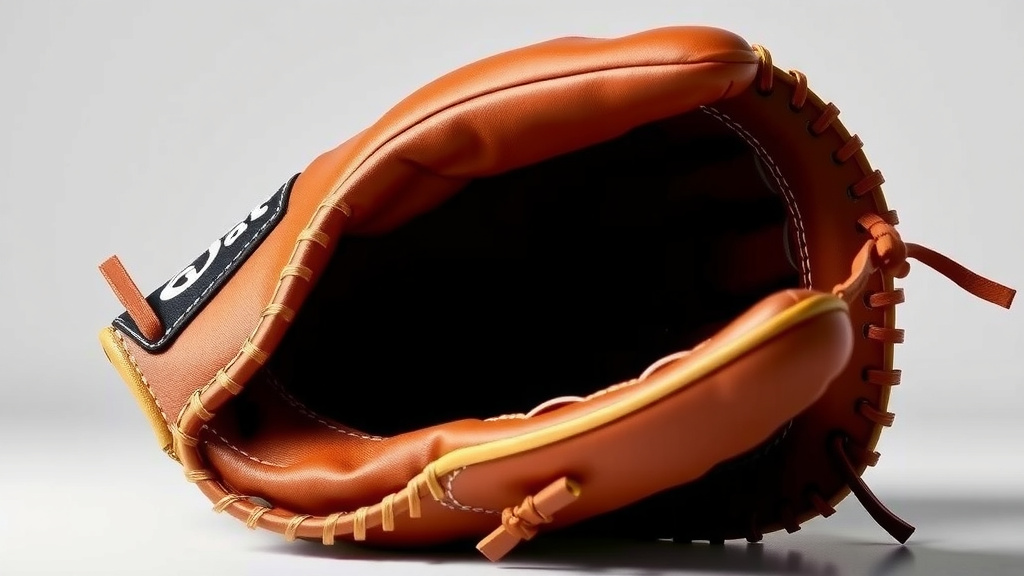
Once your hand is comfortably in the glove, it’s time to check the pocket. This is where the magic happens—catching the ball. The pocket is the area where the glove is designed to naturally receive the ball.
What a Good Pocket Feels Like
When you place a baseball into the pocket, it should nestle there securely. It shouldn’t just bounce out. You should be able to close the glove around the ball without excessive force. The ball should feel cradled and stable. We’ve heard from many players that a good pocket feels like it’s hugging the ball. This stability is vital for preventing errors in the field.
The “Glove Clap” Test
A great way to test the pocket is the “glove clap.” With a ball in the pocket, firmly close the glove. You want to feel the glove’s leather meeting cleanly, trapping the ball. If the ball pops out easily or the glove feels floppy, the pocket might not be deep enough or the glove might be too stiff in the wrong places. Research suggests that a well-formed pocket is crucial for consistent fielding (National Baseball Hall of Fame and Museum).
Considering Your Position and Age
The ideal glove fit isn’t one-size-fits-all. Your position on the field and your age play a big role in what makes a glove fit “right.” The ideal glove fit isn’t one-size-fits-all; your position on the field plays a big role.
Infielders: Quick Transfers are Key
Infielders, like shortstops and second basemen, need gloves that allow for quick ball transfers from glove to throwing hand. This often means a glove with a shallower pocket and a more compact design. A smaller glove allows for less drag and quicker movements. We found that infielders often prefer gloves that feel nimble and responsive.
Outfielders: Ball Security Above All
Outfielders, on the other hand, often need larger gloves. These provide a bigger surface area for catching fly balls and a deeper pocket for securing the ball, especially when making a diving catch. The extra padding can also be helpful for absorbing the impact of harder-hit balls. Many outfielders find that a glove that feels a bit bigger is a true advantage.
Youth Players: Growing Hands Need Room
For younger players, fit is especially important. Their hands are still growing, so you don’t want a glove that’s too tight. However, it can’t be so loose that they can’t control it. Many youth gloves are designed with adjustable wrist straps to accommodate growing hands. We found that a glove that’s easy to close is often a priority for young ballplayers. It helps build confidence and makes learning to catch much more enjoyable.

The Break-In Process: Making it Your Own
Even a glove that feels pretty good off the shelf will improve with a little break-in. This process helps the glove mold to your hand and the ball.
Why Break-In Matters
A stiff glove can be hard to close, impacting your ability to make plays. Breaking in a glove softens the leather and helps form that perfect pocket. It’s like breaking in a new pair of shoes; they just get better with time and use. Many players swear by specific methods, but the goal is always the same: a glove that feels like a second skin.
Common Break-In Tips
We’ve seen players use glove oil, conditioners, and even the classic method of sleeping with the glove (though some debate its effectiveness!). A common approach involves repeatedly closing the glove around a baseball. You can also use a mallet or your hand to work the leather. Some manufacturers offer pre-broken-in gloves, which can be a great option if you’re eager to get on the field.
Glove Fit Checklist: Your Quick Guide
Here’s a handy checklist to use when you’re trying on gloves:
- Does it feel snug but not too tight on your hand?
- Can you wiggle your fingers comfortably in their stalls?
- Does the pocket securely hold a baseball?
- Can you close the glove easily around the ball?
- Does the fit suit your playing position?
- Is there a little room for growth if you’re a youth player?
Conclusion
You’ve learned that finding the right baseball glove fit is all about feel and function. A glove should feel like a natural extension of your hand, offering security without restriction. Remember to test the snugness in the finger stalls and thumb, and always check how well the pocket secures a ball. Your position and age will guide you toward the best glove style. Now you’re ready to go out there and try on some gloves with confidence. Your perfect glove awaits – go find it!
Frequently Asked Questions
How do I know if a glove is too small for my hand?
If your fingertips are pressing hard against the very end of the finger stalls, the glove is likely too small. You should also feel some slight wiggle room for each finger. A glove that’s too small will feel cramped and uncomfortable, hindering your ability to grip and catch.
What’s the best way to test if the pocket is deep enough?
Place a baseball into the pocket and close the glove firmly around it. The ball should feel cradled and stable, not pop out easily. A good pocket allows the ball to nestle securely, and the “glove clap” test, where the leather meets cleanly, is a great indicator.
Can I use a glove designed for a different position?
While you can technically use any glove, it’s not ideal. Infielders benefit from smaller, quicker gloves, while outfielders need larger ones for ball security. Using a glove meant for another position might hinder your performance due to its specific pocket depth and size.
How important is the break-in process for a good fit?
The break-in process is very important for achieving a truly custom fit. It softens the leather and helps the glove mold to your hand and the ball. A well-broken-in glove feels more comfortable and makes it easier to close, improving your catching ability.
My child’s hands are still growing. How should that affect glove fit?
For youth players, it’s best to find a glove that offers a snug but not overly tight fit, with a little room to grow. Adjustable wrist straps are a great feature to look for. The primary goal is for your child to be able to comfortably close the glove, which builds confidence and aids in development.