Heated Grips vs Heated Gloves: Which is Best
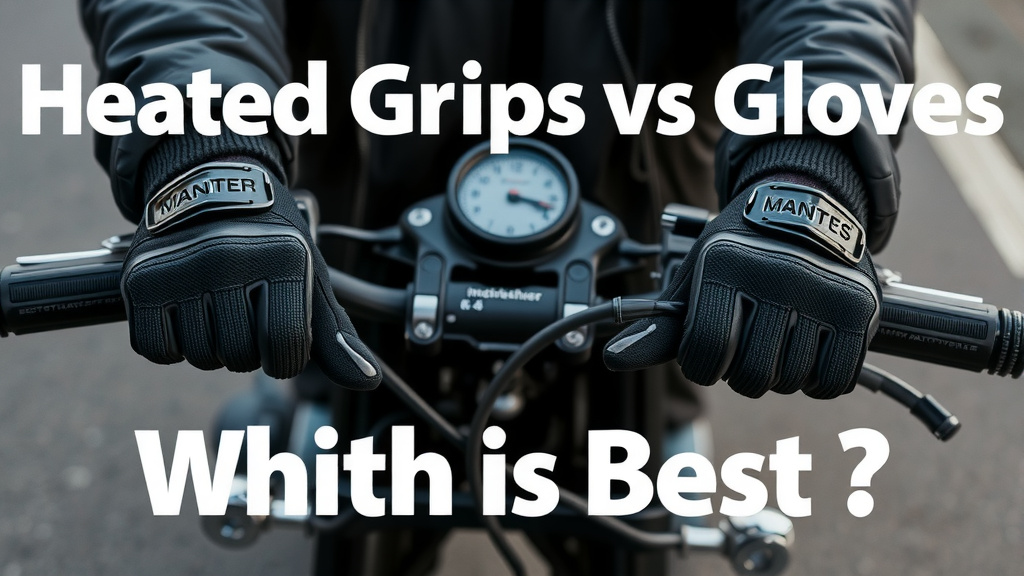
When it comes to keeping your hands warm on a motorcycle, heated grips offer convenience and integration, while heated gloves provide superior warmth and portability. For most riders facing chilly weather, heated grips are a great all-around solution. They are wired directly to your bike for a consistent power source. Heated gloves, on the other hand, deliver more focused heat directly to your fingers.
We found that both systems aim to solve the same problem: numb fingers making riding uncomfortable or even dangerous. Understanding the core differences helps you choose what’s best for your riding style and climate needs. Think about whether you prioritize ease of installation or maximum warmth.
- Heated grips are built into your handlebars.
- Heated gloves offer direct hand warmth and portability.
- Grips are usually easier to install.
- Gloves offer more customizable heat.
- Your choice depends on your budget and riding conditions.
Let’s break down the pros and cons of heated grips versus heated gloves so you can make the best choice for your cold-weather rides.
Comparing Motorcycle Heated Grips and Heated Gloves
When winter’s chill bites, keeping your hands warm on your motorcycle becomes a top priority. You might be wondering whether heated grips or heated gloves are the better choice for your cold-weather rides. Both aim to keep your digits functional, but they do it in different ways.
Heated Grips: Integrated Comfort
Heated grips are permanently installed on your handlebars. They replace your stock grips and are wired directly to your motorcycle’s electrical system. This means a consistent and reliable power source. Think of them as a built-in heating system for your hands. We found that many riders prefer this integrated approach for its simplicity once installed.
How Heated Grips Work
Tiny heating elements are embedded within the grip material. When powered up, these elements generate heat that warms the grip surface you hold. You typically control the heat level with a small switch or a dedicated control unit mounted on your handlebars. This allows you to adjust the warmth on the fly. We’ve seen systems that offer multiple heat settings, letting you dial in the perfect temperature.
Pros of Heated Grips
- Easy to operate: Once installed, they are very straightforward to use. Just flip a switch.
- Reliable power: They draw directly from your bike’s battery, so you don’t worry about recharging.
- Set it and forget it: For many riders, the convenience of having them always available is a huge plus.
- Less to manage: No separate batteries to charge or gear to pack.
Cons of Heated Grips
- Installation effort: Installing them can sometimes be a bit involved, often requiring disassembly of handlebar controls. We found that some DIYers find this challenging.
- Limited portability: They are fixed to your motorcycle. You can’t take that warmth with you if you switch bikes or ride another vehicle.
- Only warms the palm side: Primarily, they heat the part of your hand making contact with the grip. Your fingers on the top might still get cold.
Heated Gloves: Focused Warmth and Portability
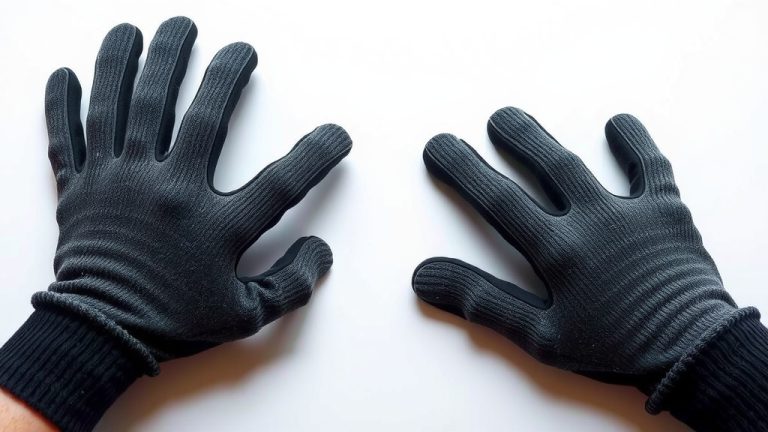
Heated gloves offer a more direct approach to hand warmth. They are designed to provide heat specifically where your fingers need it most. These gloves contain heating elements and a Heated gloves offer a more direct approach to hand warmth, similar to how base layer gloves provide an initial layer of heat.rechargeable battery, usually housed within the cuff. Many riders appreciate the idea of bringing their own heat source.
How Heated Gloves Work
Similar to heated grips, these gloves have heating wires woven into the fabric. The battery powers these wires, warming the entire glove. You’ll often find controls integrated into the glove itself, maybe a button on the back of the hand or on the cuff. We found that the placement of these controls can vary, impacting ease of use while riding. Some models even offer different heat zones.
Pros of Heated Gloves
- Superior overall warmth: They are designed to heat your entire hand, including fingertips, which are often the first to get cold.
- Portable: You can use them on any motorcycle or even other vehicles. They aren’t tied to a specific bike.
- Customizable heat: Many gloves allow for very granular control over heat levels, sometimes even per finger.
- Easier to switch: If you have multiple bikes, you can easily move your heated gloves between them.
Cons of Heated Gloves
- Battery dependence: You must remember to charge the batteries. Running out of power mid-ride leaves you cold.
- Bulkier: The batteries can add some bulk to the gloves, which might affect dexterity for some riders.
- More to manage: You have gloves, batteries, and chargers to keep track of.
- Can be expensive: High-quality heated gloves can represent a significant investment.
Making the Right Choice for Your Needs
So, how do you decide between the two? It really comes down to your personal preferences and riding habits. Consider where and how often you ride in cold weather. We’ve outlined a few factors that might help guide your decision.
Installation and Convenience
If you’re not comfortable with motorcycle electronics or want the quickest solution, heated gloves might seem appealing. However, once heated grips are installed, they offer unparalleled day-to-day convenience. You never have to think about charging them. For daily commuters, this is a huge win. Many mechanics can install heated grips relatively quickly if you prefer not to do it yourself. We found that the initial installation effort for grips pays off in long-term ease of use.
Heat Performance and Coverage
For the absolute warmest experience, especially in extreme cold, heated gloves often take the lead. They wrap your entire hand in warmth. This is particularly beneficial for riders who experience poor circulation or severe cold sensitivity. Heated grips do a great job warming the palms, but the tops of your fingers might still feel the sting of the cold. If your primary concern is comprehensive warmth for all parts of your hand, gloves are a strong contender. Research from ergonomic studies often points to finger temperature as critical for dexterity (American Journal of Industrial Medicine).
Cost Considerations
The initial cost can vary widely for both options. Basic heated grips can be quite affordable. High-end models with multiple heat zones and smart controls will cost more. Similarly, heated gloves range from budget-friendly options to premium brands with advanced features. We found that comparing specific models is key. Look at the warranty and expected lifespan too. A durable set of heated grips might outlast several pairs of gloves.
Riding Style and Environment
Think about your typical rides. Are you taking short trips around town, or going on long highway runs? For short trips where you might stop and start frequently, the portability of heated gloves could be beneficial. If you’re a touring rider who spends hours in the saddle, the reliability and integration of heated grips are hard to beat. Your local climate plays a big role. If you only ride on the occasional chilly day, a good pair of insulated gloves might suffice. But for consistent cold-weather riding, dedicated heating is a game-changer. Many riders in colder climates find that heated grips are a necessary upgrade for comfortable year-round riding.
Checklist for Your Decision
Before you buy, ask yourself these quick questions:
- How cold does it typically get where I ride?
- Am I comfortable doing some basic electrical work on my bike?
- Do I ride other types of vehicles where I’d want heated hands?
- What is my budget for this upgrade?
- Is ease of use after installation more important than portability?
- How much warmth coverage do I realistically need?

Conclusion
Deciding between heated grips and heated gloves comes down to your personal needs. Heated grips offer integrated, reliable warmth directly from your bike, perfect for consistent commuters. They’re a ‘set it and forget it’ solution once installed. Heated gloves provide more comprehensive warmth and the flexibility to use them on any ride. They are ideal if you prioritize fingertip heat or ride multiple vehicles. We’ve found that for many riders, the ease of operation and constant power of heated grips make them the top choice for long-term cold-weather comfort. Evaluate your budget, riding habits, and the typical temperatures you face to make your best selection.
Frequently Asked Questions
Are heated grips worth the installation hassle?
For many riders, the investment in installation is well worth it. Once fitted, heated grips provide effortless warmth on every ride without needing to charge batteries. If you’re not comfortable with motorcycle wiring, a professional installation is usually quick and straightforward.
Can heated gloves keep my whole hand warm?
Yes, heated gloves are designed to warm your entire hand, including fingertips, which often get coldest. They use batteries to power heating elements woven throughout the glove material, offering more complete coverage than grips alone.
Which option is better for extreme cold weather?
Heated gloves often provide superior warmth in extreme cold because they cover your entire hand and fingers directly. While heated grips warm your palms effectively, the tops of your fingers might still feel the chill in very low temperatures.
What if I ride more than one motorcycle?
If you own multiple bikes, heated gloves offer a clear advantage. You can easily transfer them between your motorcycles, ensuring warm hands no matter which bike you choose to ride that day.
How long do the batteries in heated gloves typically last?
Battery life for heated gloves varies by model and heat setting, often ranging from 2 to 8 hours on a single charge. It’s wise to check reviews and specifications for the models you’re considering to understand their expected performance.