Hand Wraps vs Gloves: Which is Right for Your Workout
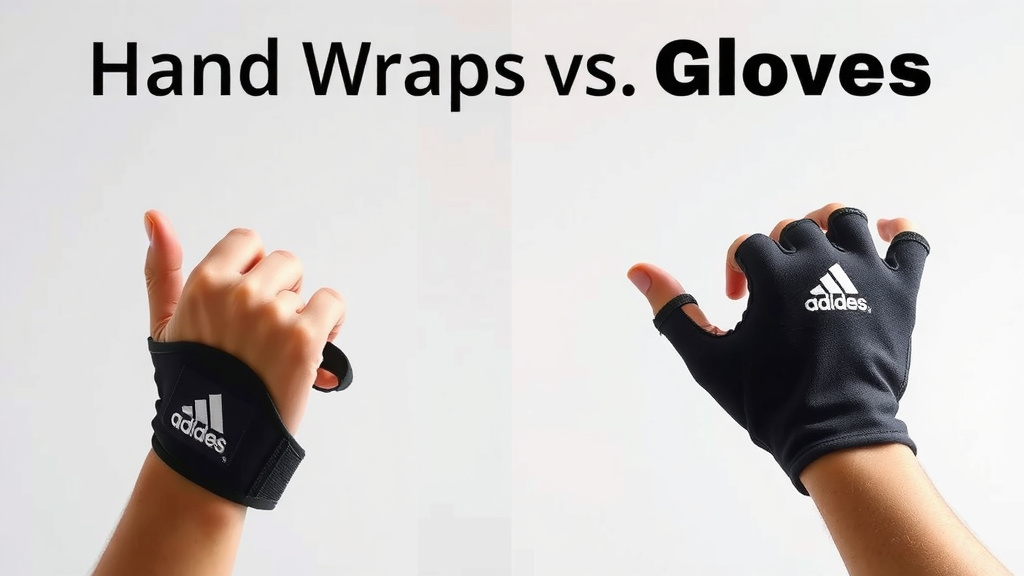
When choosing between hand wraps vs gloves for your boxing or martial arts training, the core difference lies in their purpose: hand wraps offer superior wrist and knuckle protection, while boxing gloves provide impact absorption for sparring partners. Wraps are essential for reinforcing your hands’ delicate bones and joints, reducing injury risk. Gloves are for the ring, softening blows. You need both for a complete training regimen.
Many people wonder which is “better,” but they serve different roles. Think of hand wraps as your personal hand armor, snugging everything together for heavy bag work or pad sessions. Boxing gloves, on the other hand, are the padded shields you wear when you’re hitting another person. Research shows improper hand support is a leading cause of hand injuries in combat sports. Gloves alone don’t offer that internal support.
- Hand wraps protect your bones and joints during training.
- Boxing gloves absorb impact for sparring.
- Wraps are for reinforcing your hands.
- Gloves are for protecting your training partners.
- Both are vital for safe, effective training.
Let’s break down exactly what each offers and why you might need one, the other, or even both!
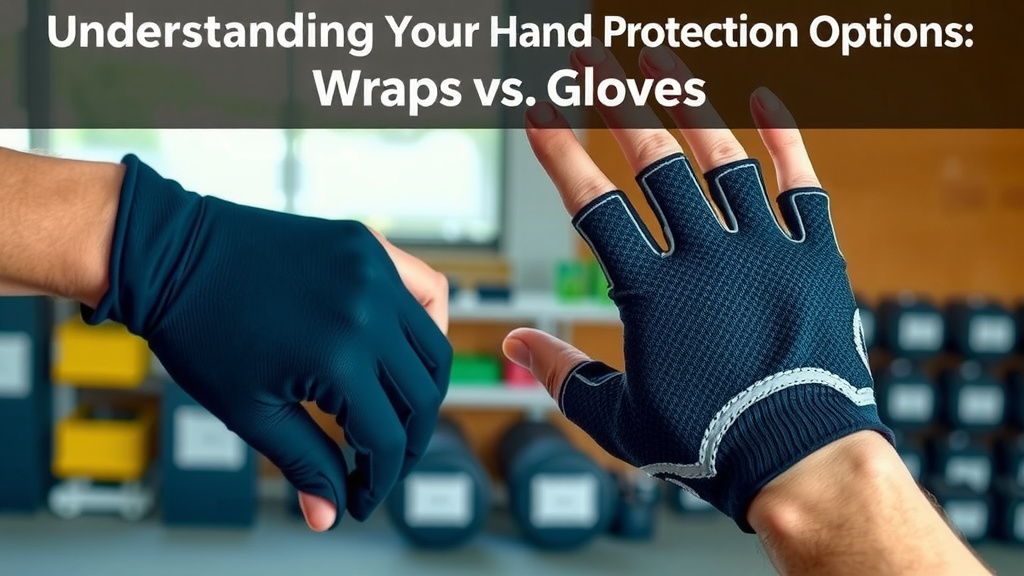
Understanding Your Hand Protection Options: Wraps vs. Gloves
When you’re stepping up to the heavy bag or getting ready for sparring, your hands take a beating. You want to make sure they’re protected. But what’s the real difference between hand wraps and boxing gloves? They might seem similar, but they serve distinct, yet equally important, jobs. We found that many fighters overlook this distinction, leading to unnecessary injuries. Let’s get this sorted out so you can train smarter and safer.
What Are Hand Wraps and Why Do You Need Them?
Hand wraps are long strips of cloth, usually elastic or a cotton blend. You wrap them around your hands and wrists before putting on gloves. Think of them as a custom-fit support system for your hands. They’re not designed to cushion a punch; their primary job is to stabilize your wrists and knuckles. Research indicates that a significant number of hand injuries in boxing and martial arts stem from inadequate support during impact (NCBI).
When you punch, especially hard, your wrist can bend in ways it shouldn’t. This puts immense stress on the small bones and ligaments. Hand wraps create a tighter, more unified structure. This helps prevent hyperextension and keeps those delicate bones aligned. They also add a bit of padding over the knuckles, which can help distribute the force of impact slightly.
The Role of Boxing Gloves
Boxing gloves, on the other hand, are all about impact absorption. They’re the padded outer layer you wear during sparring or competitive bouts. Their main function is to protect the person you’re hitting from your full force. They also offer some protection to your own hand by cushioning the blow.
Studies show that without proper hand wraps, the force of a punch can still cause damage to the bones and joints inside the glove. Gloves alone don’t offer the same internal support that wraps provide. We found that using gloves without wraps, especially for heavy bag work, is a common mistake leading to hand injuries like fractured metacarpals or sprained wrists.
Comparing Hand Wraps and Boxing Gloves Side-by-Side
It’s helpful to see how they stack up directly. Each has its strengths and purpose. You wouldn’t use a hammer to drive a screw, and you shouldn’t rely solely on gloves for hand support.
| Feature | Hand Wraps | Boxing Gloves |
|---|---|---|
| Primary Function | Wrist and knuckle support/stabilization | Impact absorption/protection for opponent |
| Protection Level | Internal support, structural integrity | External cushioning, force distribution |
| Usage | Underneath gloves for training (heavy bag, pads, sparring) | Sparring, competition, heavy bag work (depending on weight) |
| Material | Elastic or cotton blend cloth | Leather or synthetic leather with foam padding |
| Fit | Customizable, snug fit | Standard sizes, often adjustable straps |
When to Use Which (and When to Use Both!)
This is where it all comes together. Think about your training activity. Are you hitting something hard? Are you hitting someone else? Or are you just starting out?
For Heavy Bag and Pad Work
This is where hand wraps are absolutely essential. When you’re repeatedly striking a heavy bag or pads, your hands endure a lot of shock. Wraps provide that critical support to your wrist and knuckles, preventing micro-traumas that can build up over time. Many experts agree that this type of training without proper wraps is asking for trouble (Cleveland Clinic).
While some heavier training gloves offer more padding, they still don’t replace the stabilizing effect of wraps. We found that even with thicker gloves, a wrapped hand feels more secure and is less prone to the dreaded “hand fatigue” or “hot hand” feeling. So, yes, use wraps, and then wear your training gloves over them.
For Sparring and Partner Drills
Sparring is different. Your goal is to work with a partner, not to injure them. This is the primary domain of boxing gloves. They are designed to cushion your blows so you can practice striking with control and safety. But wait, what about your hands?
Here again, we found that the combination is best. Hand wraps go on first, ensuring your wrists and knuckles are supported. Then, you put on your sparring gloves. This dual protection keeps your hands safe from the stress of impact while also making sure your training partner doesn’t end up with a concussion or a broken nose from an accidental full-power shot. It’s a win-win for everyone involved.
When Gloves Might Suffice (with Caution!)
Some people wonder if they can skip the wraps for very light drills or if they have incredibly strong wrists. While lighter, bag-style gloves are sometimes used without wraps for very short, light sessions, we strongly advise against it as a regular practice. The risk of injury is simply too high.
If you’re a beginner, your tendons and ligaments aren’t conditioned yet. Skipping wraps during any impact training is like running a marathon without stretching. You’re setting yourself up for strain or worse. Many guidelines from sports medicine sources recommend wrapping hands for all striking training, especially when there’s a risk of impact (Mayo Clinic).
Choosing the Right Gear for Your Needs
So, how do you pick? It’s less about “vs.” and more about “and.” You need both hand wraps and boxing gloves for a complete training kit. The type of wraps and gloves you choose will depend on your sport and training intensity.
Types of Wraps
Standard Mexican-style wraps are generally preferred for their stretch and comfort. They offer a good balance of support and flexibility. Muay Thai style wraps are often longer, offering more wrist support. You can also find quick wraps, which have a glove-like design with built-in padding and Velcro closures. While convenient, we found that traditional wraps often provide a more secure and customizable fit.
Types of Gloves
Glove weight is measured in ounces. Lighter gloves (10-12 oz) are typically for competition or bag work. Heavier gloves (14-16 oz, or even 18-20 oz) are for sparring. The heavier gloves have more padding, which is better for protecting your partner. Always check with your gym or coach for specific recommendations.
Your Training Checklist for Hand Protection
To make sure you’re covered, here’s a quick checklist:
- Always wrap your hands before hitting the heavy bag or pads.
- Use your hand wraps under your boxing gloves for all sparring.
- Ensure your wraps are snug but not cutting off circulation.
- Choose gloves appropriate for your training activity (bag work vs. sparring).
- Listen to your body; if your hands hurt, take a break and re-evaluate your technique and gear.
- If you’re unsure about wrapping technique, ask your coach or watch reputable tutorials.
By understanding the distinct roles of hand wraps and boxing gloves, you can make sure your hands stay healthy and ready for every workout. It’s about building a solid foundation for your striking skills.
Conclusion
You’ve learned that hand wraps and boxing gloves aren’t rivals; they’re partners in protecting your hands. Wraps provide essential internal support for your wrists and knuckles. Gloves offer external padding to absorb impact, protecting both you and your training partners. For any striking training, from heavy bag work to sparring, using both is the smartest approach.
Make wrapping your hands a non-negotiable step before putting on gloves. This habit will serve your hands well long-term. Now, go train with confidence, knowing you’ve got your hands covered!
Frequently Asked Questions
Can I just wear boxing gloves without hand wraps for heavy bag training?
We strongly advise against this. While gloves offer padding, they don’t provide the vital internal support that hand wraps do. Repeatedly hitting a heavy bag without wraps puts your wrists and knuckles at a high risk of injury, even with gloves on.
How tight should my hand wraps be?
Your wraps should be snug, providing firm support without cutting off circulation. You want to feel your hand and wrist bones stabilized. If you experience numbness, tingling, or discoloration, they are too tight.
What’s the difference between training gloves and sparring gloves?
Training gloves (often for bag work) tend to be lighter and may have less padding. Sparring gloves are usually heavier (14-20 oz) and have more padding to protect both you and your training partner from the impact of full-force strikes.
How do I know if I’m wrapping my hands correctly?
Proper wrapping technique takes practice. The goal is to create a firm, compact structure around your fist and wrist. If you’re unsure, watch reputable video tutorials or ask your coach to demonstrate and check your technique.
Are quick wraps as good as traditional hand wraps?
Quick wraps offer convenience but often don’t provide the same level of customizable support and snugness as traditional cloth wraps. Many fighters find traditional wraps offer better protection and a more secure feel.