Golf Glove Hand: Which One is Right For You?
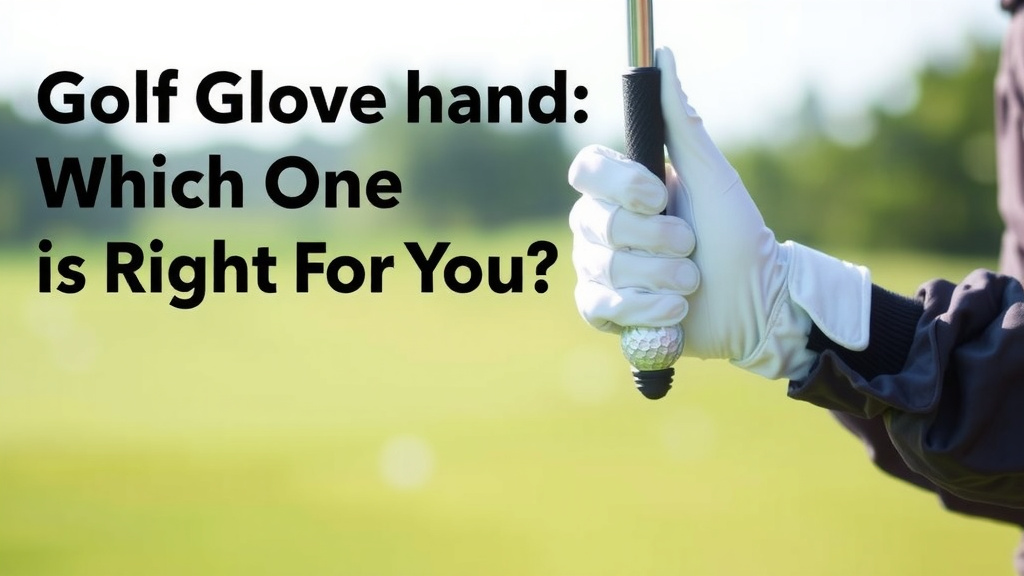
You wear a golf glove on your non-dominant hand to get a better grip. If you’re right-handed, that’s your left hand. If you’re left-handed, it’s your right hand. This helps you swing the club more powerfully and accurately. It prevents slippage during your swing.
Choosing the right glove is key for comfort and performance. A good glove feels like a second skin. It should offer both protection and grip. Many golfers wonder about the best way to choose. We’ve researched the common practices.
- Golf gloves go on your non-dominant hand.
- Right-handed golfers wear a glove on their left hand.
- Left-handed golfers wear a glove on their right hand.
- The glove provides better grip and control.
- Proper fit is essential for comfort.
Now, let’s walk through the simple reasons behind this choice and how to find the perfect glove for your game.
Which Hand Should You Wear a Golf Glove On?
You’ve probably seen golfers on the course, and you might have noticed they wear a glove on just one hand. But why? And which hand is it? We’ve done the research, and it’s simpler than you might think.
The glove goes on your non-dominant hand. This is the hand that’s opposite to your dominant writing hand. If you’re right-handed, you’ll wear your glove on your left hand. If you’re left-handed, it goes on your right hand. It’s all about getting a better grip on the club.
The Science Behind the Glove Placement
Why this specific hand? It comes down to how your body moves during a golf swing. Your lead hand is the one that controls the clubface. This hand is often considered the primary steering hand during the swing (National Golf Foundation).
Understanding Your Grip
When you grip a golf club, your hands work together. Your lead hand, wearing the glove, provides a stable and consistent connection to the club. The glove helps prevent slippage, especially when your hands get sweaty. This means you can swing harder without worrying about the club twisting in your grip.
How the Glove Improves Your Swing
A good glove creates a smoother transfer of energy from your body to the club. Think of it like wearing grippy athletic shoes for basketball. You need that traction to make quick moves. The golf glove does the same for your swing. It helps you feel more connected to the club. This connection can lead to better control and accuracy.
Many golfers report feeling more confident in their swing when wearing a glove. This confidence can translate to better performance on the course. It’s a small piece of equipment that can make a big difference.
Why Only One Glove?
Most golfers only wear one glove. This is because wearing a glove on both hands can actually reduce your feel for the club. The non-dominant hand needs the grip assistance. Your dominant hand, however, is often used to provide more feel and flexibility in the swing.
The Role of the Non-Gloved Hand
Your dominant hand, the one without the glove, still plays a vital role. It offers more tactile feedback. This helps you feel the clubhead throughout your swing. It allows for subtle adjustments that are key to a great golf shot. It’s a balance between grip security and delicate touch.
What if You Want Two Gloves?
While less common, some players do wear gloves on both hands. This is often for added comfort or to help manage very sweaty hands in hot weather. However, the primary reason for wearing a glove remains to enhance the grip on the lead hand. For most players, one glove is the way to go for optimal performance.
Choosing the Right Golf Glove
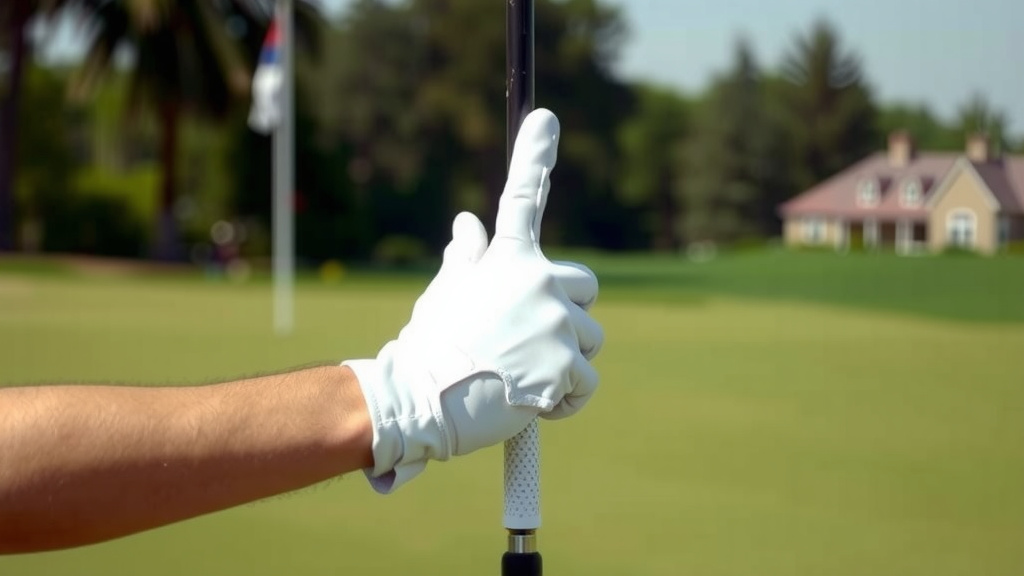
Now that you know which hand, let’s talk about finding the perfect glove. A glove that fits well is essential. It should feel like a second skin, not too tight and not too loose.
Finding Your Size
Golf gloves come in various sizes. You’ll find standard sizes like small, medium, large, and extra-large. Within those, there are also specific fits, like cadet or regular. Cadet gloves are often wider in the palm with narrower fingers, designed for a more common hand shape. Golf gloves come in various sizes, and you may need to consider a cadet or regular fit.
We found that checking the manufacturer’s sizing chart is your best bet. Measure your hand carefully. A glove that’s too big will bunch up and cause blisters. A glove that’s too small will restrict your movement and be uncomfortable.
Materials Matter
Golf gloves are typically made from leather or synthetic materials. Leather offers a premium feel and great grip. It molds to your hand over time. Synthetic gloves can be more durable and perform well in wet conditions. Many modern gloves use a combination of materials for the best of both worlds.
Consider the climate where you play most often. For hot and humid days, a breathable synthetic or a thin leather glove might be best. If you play in cooler, drier weather, a thicker leather glove could offer more warmth and durability.
Key Fit Checkpoints
When trying on a glove, pay attention to these areas:
- Fingers: The fingertips of the glove should reach the base of your fingernails. There shouldn’t be excess material hanging past your fingertips.
- Palm: The palm should feel snug. You shouldn’t see any large gaps or wrinkles in the palm area.
- Wrist: The cuff of the glove should sit comfortably at your wrist. It shouldn’t dig in or feel too loose.
- Closure: The Velcro or snap closure should allow for a secure fit without being too tight.
A well-fitting glove means you can focus on your swing, not on adjusting your gear. It’s a small detail that can boost your confidence and enjoyment of the game.
Quick Checklist for Your Golf Glove Choice
Here’s a quick rundown to help you pick the right glove:
- Always wear the glove on your non-dominant hand.
- For righties, that’s the left hand. For lefties, it’s the right hand.
- Ensure the glove fits snugly without being too tight.
- Check that the fingertips cover your fingers without excess material.
- Consider the material based on your playing conditions.
- A good fit means comfort and better control.
Conclusion
So, you’ve learned the simple rule: wear your golf glove on your non-dominant hand. This provides the grip you need for a powerful, accurate swing. A proper fit is key, making the glove feel like a natural extension of your hand. By choosing the right glove material and ensuring it fits perfectly, you’re setting yourself up for more confidence and better control on the course. Don’t let a poor grip hold back your game.
Your next step is to find a glove that fits you perfectly. Measure your hand and check sizing charts before you buy. Your game will thank you!
Frequently Asked Questions
Do all golfers wear a glove?
Most golfers wear a glove on their lead hand to improve their grip. However, it’s not a strict rule. Some players prefer to play without a glove to maintain maximum feel. Ultimately, it comes down to personal preference and what works best for your swing.
What if I have really sweaty hands?
If your hands get very sweaty, you might consider a glove made from synthetic materials or a combination of leather and synthetic. These often offer better grip in wet conditions. Some golfers even use a glove on both hands in extremely humid or hot weather, though this is less common for performance reasons.
Can I wear a glove on my dominant hand instead?
While you technically can, it’s not recommended for most golfers. The standard practice of wearing the glove on your non-dominant (lead) hand is designed to give you a more secure grip while allowing your dominant hand more feel and flexibility. Experimenting is fine, but this is the widely accepted method for a reason.
How often should I replace my golf glove?
Golf gloves wear out with use. You should replace your glove when it starts to lose its grip, becomes stretched out, or develops holes. For most regular players, this might be every season or even more frequently depending on how much you play and practice.
Does the glove material really make a difference?
Yes, the material makes a difference in feel, grip, and durability. Leather gloves offer a classic feel and conform to your hand over time. Synthetic gloves can be more durable, offer better grip in wet conditions, and are often more affordable. Many modern gloves use a blend to get the benefits of both.