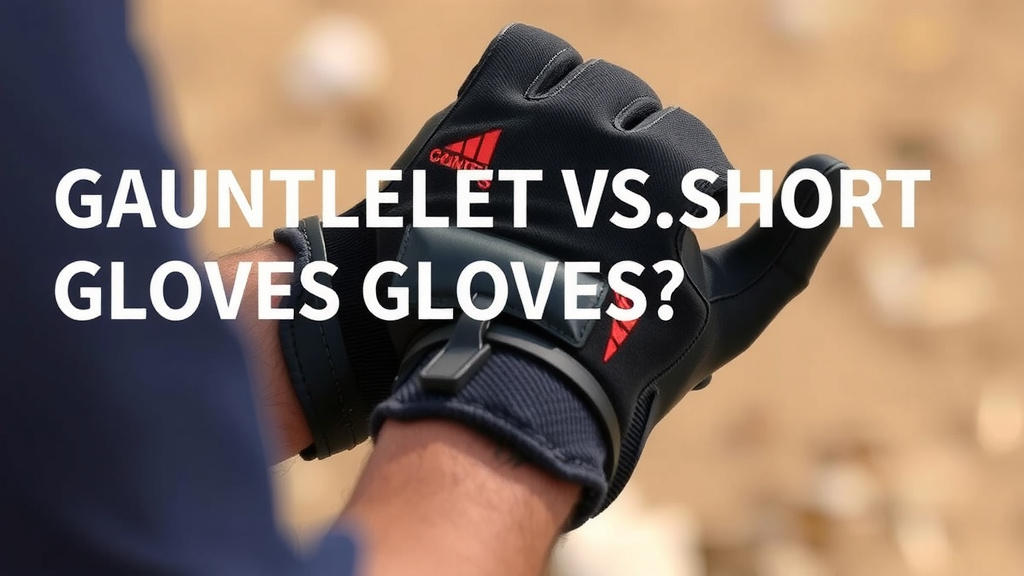
Gauntlet vs Short Gloves: Which Is Best For You
For most tasks where you need wrist protection and warmth, gauntlet gloves are generally the better choice over short gloves. This is because gauntlet gloves offer extended coverage up your forearm, providing superior protection from elements and impacts. Short gloves are best for dexterity and lighter tasks.
Deciding between gauntlet and short gloves really comes down to your specific needs. Are you facing harsh weather, needing extra defense, or prioritizing fine motor control? Understanding these differences will help you pick the right pair to keep your hands safe and comfortable. Many experts agree that the degree of protection is the main factor.
- Gauntlet gloves offer more wrist and forearm protection.
- Short gloves are better for tasks requiring high dexterity.
- Consider your environment and the job at hand.
- Gauntlet style is ideal for cold weather and heavy-duty work.
- Short style is great for warmer weather and delicate operations.
Let’s break down the key differences between gauntlet gloves and short gloves to help you make the perfect choice for your next adventure or task.
Choosing the right gloves can make a big difference in your comfort and safety. It often comes down to a simple question: do you need more coverage, or do you need more dexterity? Let’s dive into the key differences to help you find the perfect pair for whatever you’re up to.
Gauntlet vs. Short Gloves: What’s the Real Difference?
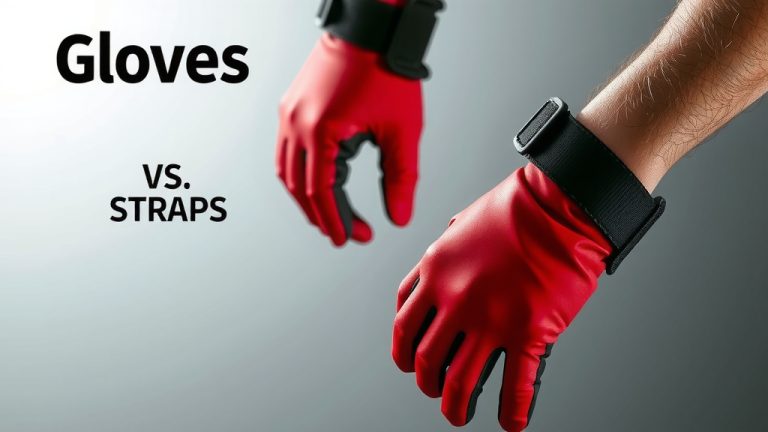
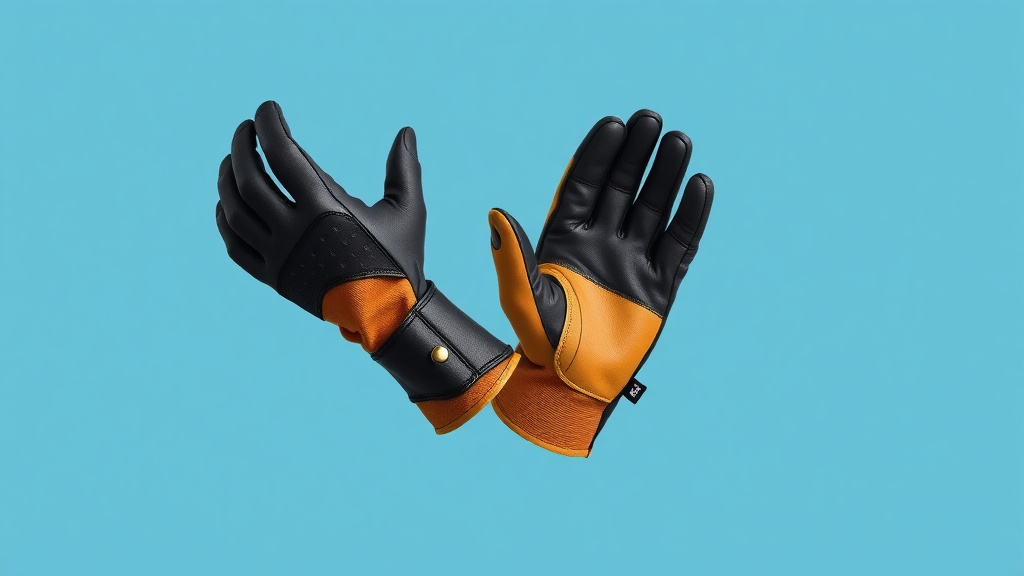
Understanding the basic design is your first step. Gauntlet gloves extend past your wrist. Short gloves stop right at the wrist. This fundamental difference dictates where each type shines brightest.
Gauntlet Gloves: For Maximum Protection
Think of gauntlet gloves as your forearm’s best friend. They offer a significant amount of extra protection. This coverage shields your wrist and lower forearm from a variety of hazards. This makes them a top choice for many outdoor activities and demanding jobs.
Superior Defense Against the Elements
When the weather turns nasty, gauntlet gloves really show their worth. They provide a strong barrier against wind, rain, and snow. This is vital for keeping your hands warm and dry. Cold hands can quickly become numb and useless. This makes performing tasks much harder and more dangerous. Many outdoor enthusiasts choose gauntlets for this very reason (National Park Service).
Protection from Impacts and Scrapes
Beyond weather, gauntlets guard against physical harm. They can absorb some impact from bumps and knocks. They also prevent scrapes and cuts from rough surfaces. This is especially important if you work with abrasive materials. Or if you’re hiking through dense brush. The extended cuff acts like a shield for your vulnerable wrist area.
Ideal Scenarios for Gauntlet Gloves
Where do gauntlets truly excel? We found several key areas where their design offers a clear advantage:
- Winter Sports: Skiing, snowboarding, and snowmobiling.
- Motorcycling: Protecting wrists from windchill and road debris.
- Heavy-Duty Work: Construction, landscaping, and industrial jobs.
- Outdoor Exploration: Hiking, camping, and hunting in rugged terrain.
- Tactical Applications: Situations requiring robust hand defense.
Short Gloves: Prioritizing Dexterity and Freedom
Short gloves, sometimes called wrist gloves, are designed for a different purpose. Their main goal is to offer protection while allowing your hands to move freely. They are all about fine motor control. If your task requires nimble fingers, short gloves are likely your best bet.
Enhanced Hand Movement and Sensitivity
The limited coverage of short gloves means less restriction. Your wrists can bend and flex without interference. This allows for a greater range of motion. You can also feel textures and grip objects with more precision. This sensitivity is key for delicate operations. It’s like wearing a second skin for your hands.
Best Uses for Short Gloves
When should you reach for a pair of short gloves? Consider these situations:
- Warm Weather Activities: Cycling or running when only light protection is needed.
- Light Manual Labor: Gardening or general household chores.
- Sports Requiring Grip: Weightlifting or some forms of climbing.
- Tasks Needing Precision: Working with small tools or electronic components.
- Everyday Use: When you just need a basic layer of comfort and protection.
Comparing Key Features: A Quick Look
Let’s summarize the main distinctions to make your decision easier. We can see how the design directly impacts performance. Think of it like choosing between a sturdy work boot and a nimble running shoe.
Here’s a simple breakdown:
| Feature | Gauntlet Gloves | Short Gloves |
|---|---|---|
| Coverage | Extends past the wrist onto the forearm. | Ends at or below the wrist. |
| Protection Level | High (elements, impacts, scrapes). | Moderate (basic hand protection). |
| Dexterity | Lower, due to extended cuff. | Higher, due to freedom of movement. |
| Warmth | Generally warmer, better insulation. | Less warmth, suitable for milder temps. |
| Best For | Cold weather, heavy work, high impact. | Dexterity tasks, warm weather, light work. |
Material Matters, Too!
The type of material used in both gauntlet and short gloves plays a huge role. Leather offers great durability and protection. Synthetic fabrics might be lighter and more breathable. Insulated gloves are essential for extreme cold. Choosing the right material often goes hand-in-hand with the glove style.
Making Your Final Choice: What Should You Consider?
So, how do you pick the winner for your needs? It really boils down to the **primary purpose** of the gloves. Ask yourself a few key questions:
- What kind of **weather** will you be in?
- What is the **task** you need to perform?
- How much **dexterity** do your hands need?
- What level of **protection** is necessary?
If you’re heading into freezing temperatures for a day of skiing, gauntlet gloves are likely your best friend. Their extended coverage will keep snow out and warmth in. They also provide protection if you take a tumble on the slopes. Many ski experts recommend gauntlet styles for this reason (U.S. Ski & Snowboard Association).
On the other hand, if you’re assembling a model airplane or working with small electronics, short gloves are the way to go. You need that precise control and feel. The bulk of a gauntlet would just get in the way. You want your fingers to move naturally, without restriction.
A Quick Checklist for Your Glove Selection
To help solidify your choice, run through this quick mental checklist:
- Check the Weather: Cold? Go gauntlet. Mild? Short might do.
- Assess the Task: Heavy-duty or impact risk? Gauntlet. Delicate work? Short.
- Consider Wrist Mobility: Need full wrist flex? Short. Need wrist protection? Gauntlet.
- Think About Insulation: Extreme cold? Look for insulated gauntlets.
- Evaluate Durability Needs: Rough materials? Leather gauntlets are tough.
- Prioritize Comfort: Which feels better for the job at hand?
Conclusion
You’ve now seen how gauntlet and short gloves serve different purposes. Gauntlet gloves offer superior protection for your forearm and wrist. They are your go-to for harsh weather and demanding tasks. Short gloves, on the other hand, give you the freedom for fine motor control. They’re ideal for precision work and milder conditions. Your choice hinges on your specific needs. Consider the weather, the task, and how much dexterity you require. By understanding these differences, you can confidently select the perfect pair to keep your hands comfortable and safe. Think about your next outdoor trip or work project and choose wisely!
Frequently Asked Questions
Can I wear gauntlet gloves for everyday tasks?
Generally, gauntlet gloves are a bit bulky for everyday tasks like driving or casual errands. Their extended cuff can sometimes hinder fine motor skills. However, if you’re doing yard work or tasks in cooler weather, they can offer excellent protection and warmth.
Are short gloves warm enough for winter?
Most short gloves are not designed for deep winter conditions. They offer less insulation and no forearm protection against the cold. For true winter warmth and protection, you’ll typically want to opt for insulated gauntlet gloves.
Which type of glove is better for motorcycle riding?
For motorcycle riding, gauntlet gloves are often recommended. They provide better protection against windchill and abrasion in case of a fall. The extended cuff helps seal out the elements and offers wrist support.
Do gauntlet gloves restrict wrist movement too much for sports?
It depends on the sport. For activities like skiing or snowboarding, the restriction from gauntlet gloves is usually acceptable and even beneficial for keeping snow out. For sports requiring extreme wrist flexibility, like some types of climbing, short gloves might be preferred.
Can I get gauntlet gloves made of thin, breathable material?
Yes, you can find gauntlet gloves made from various materials. While many are insulated for warmth, some are constructed with lighter, breathable fabrics for protection against impacts or scrapes without excessive heat. Always check the product description for material details.