Gauntlet vs Glove: Which Hand Protection Is Best
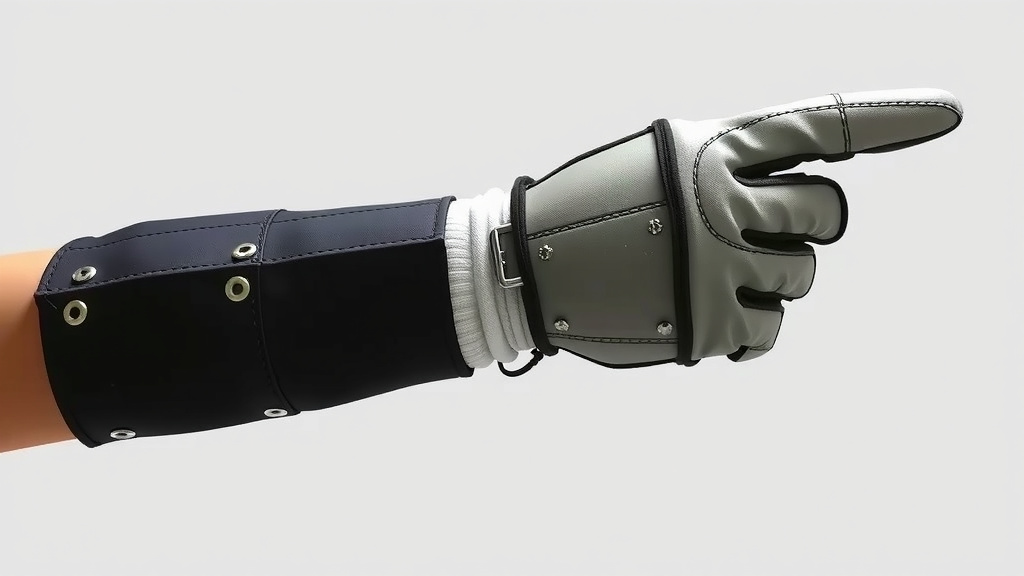
When choosing between a gauntlet and a glove for hand protection, it really comes down to the level of coverage you need. Gauntlets offer superior wrist and forearm protection, extending far beyond a traditional glove’s cuff, making them ideal for tasks with a higher risk of splashes or impacts to the lower arm.
Both gauntlets and gloves are designed to safeguard your hands. The main difference lies in their construction and the specific hazards they are best suited to handle. Think of a gauntlet as a glove’s bigger, tougher sibling, built for more demanding situations where extra defense is a must.
- Gauntlets cover the wrist and forearm for maximum protection.
- Gloves offer hand coverage but less protection for the wrist.
- Choose gauntlets for high-splash or impact risks.
- Opt for gloves for general hand protection tasks.
- Coverage is the key difference between the two.
Let’s get into the specifics of each so you can decide which is the right fit for your needs.
Understanding Hand and Arm Protection Options
When you need to protect your hands, you’ve got choices. Two common types are gloves and gauntlets. They both offer hand safety. But they do it in different ways and for different situations. You might wonder which one is best for your specific job or activity. Let’s break down what makes each unique.
The Case for Gloves: General Hand Protection
Gloves are probably what you think of first when you hear “hand protection.” They are designed to cover your hands. This usually means they go up to your wrist. They offer a barrier against many common hazards.
What Gloves Do Best
Gloves are fantastic for everyday tasks. Think about gardening, handling tools, or doing light cleaning. They protect your skin from cuts, scrapes, and dirt. Many gloves also offer some protection against chemicals or temperature extremes. They are the workhorse for keeping your hands safe during general use.
Types of Gloves and Their Uses
You can find gloves made from all sorts of materials. Leather gloves are great for durability and abrasion resistance. They’re good for construction or heavy-duty work. Nitrile or latex gloves are common for medical or cleaning tasks. They provide a good barrier against liquids and some chemicals. Fabric gloves might be used for warmth or to improve grip.
- Leather: Tough, good for abrasions.
- Nitrile/Latex: Chemical and liquid resistance.
- Fabric: Grip, warmth, light protection.
Limitations of Standard Gloves
While gloves are great, they have their limits. A standard glove’s cuff typically stops at the wrist. This leaves your wrist and the lower part of your forearm exposed. If you’re working with chemicals that can splash, or if there’s a risk of impact to your lower arm, a regular glove might not be enough.
The Power of Gauntlets: Extended Coverage
Now, let’s talk about gauntlets. The biggest difference you’ll notice is their length. Gauntlets extend well past the wrist, covering a good portion of your forearm. This extra length is their main selling point for certain jobs.
When Gauntlets Shine
Gauntlets are your go-to when you need more than just hand protection. Imagine working with strong chemicals. Splashes can easily go up your arm. Gauntlets provide that extra barrier. They are also useful in industries where there’s a risk of debris or sparks flying. Think welding, forging, or certain types of manufacturing.
Materials and Protection Levels
Like gloves, gauntlets come in various materials. Heavy-duty leather is common for welding gauntlets. This material can withstand heat and sparks. For chemical protection, you might find gauntlets made from thicker rubber or specialized polymers. These are designed to resist penetration by corrosive substances.
Research shows that material choice is key for chemical resistance (Occupational Safety and Health Administration – OSHA). You need to match the material to the specific chemical you’ll be exposed to. A gauntlet’s extended length means it offers a more complete protective system.
The Advantage of Full Arm Defense
Having your forearm covered means reduced risk. You’re less likely to get skin irritation or burns from splashes. It can also protect against abrasions and minor impacts that might occur on your lower arm. Many experts suggest that longer protective gear can prevent a wider range of injuries (National Institute for Occupational Safety and Health – NIOSH).
Gauntlet vs. Glove: A Direct Comparison
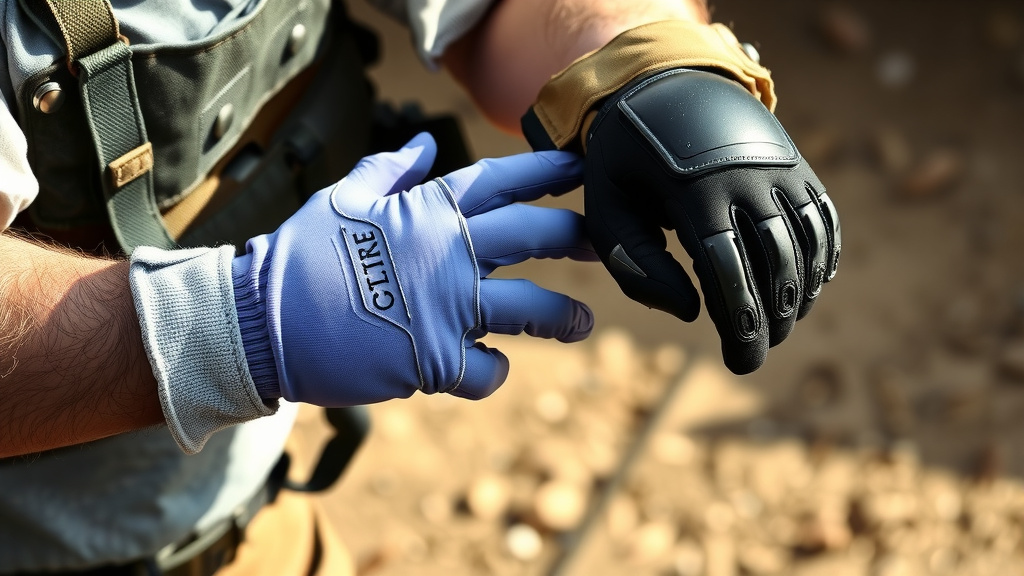
So, how do you choose between them? It really boils down to the hazards you face and the coverage you need. Let’s put it side-by-side.
| Feature | Glove | Gauntlet |
|---|---|---|
| Coverage Area | Hands only, up to the wrist. | Hands and a significant portion of the forearm. |
| Primary Benefit | General hand protection, dexterity. | Extended protection against splashes, sparks, impacts. |
| Best For | Gardening, light construction, general handling, cleaning. | Welding, chemical handling, high-risk industrial tasks. |
| Dexterity | Generally higher, allows for fine motor skills. | Can be lower due to bulk and length. |
When to Reach for Which
If your main concern is keeping your hands clean and preventing minor cuts during everyday tasks, a good pair of gloves will likely suffice. They offer a great balance of protection and flexibility. You can easily use your fingers for detailed work.
However, if your work involves potential splashes of hazardous liquids, sparks, or impacts that could reach your lower arm, you absolutely need the added protection of a gauntlet. Think of it as upgrading your safety gear when the risks increase. It’s about being prepared for more serious exposures.
Making Your Decision: A Quick Checklist
To help you decide, consider these points:
- What specific hazards are you exposed to (chemicals, heat, abrasions)?
- How far up your arm do these hazards typically reach?
- Do you need maximum dexterity for your task?
- What materials will offer the best defense against your specific risks?
- What is the recommended safety standard for your industry or activity?
- Is extended forearm protection a requirement or just a nice-to-have?
By answering these questions, you can confidently choose the right hand and arm protection for your needs.
Conclusion
You’ve learned that the choice between a gauntlet and a glove comes down to the level of protection your specific tasks require. Gloves offer excellent hand coverage for general use and dexterity. Gauntlets provide that crucial extra defense for your wrists and forearms, essential when dealing with higher risks like splashes or impacts. Always assess your work environment and the potential hazards you face. By understanding the differences and your own needs, you can confidently select the right gear to keep your hands and arms safe. Your next step is to identify the exact risks in your daily activities and choose the protection that best fits those demands.
Frequently Asked Questions
Can I use regular gloves for welding?
No, regular gloves are not suitable for welding. Welding produces intense heat and sparks that can easily penetrate or ignite standard glove materials. You need specialized gauntlets, typically made of heavy-duty leather, designed to withstand high temperatures and protect your hands and forearms from burns and sparks.
Are gauntlets always bulkier than gloves?
Generally, yes. Gauntlets are designed to extend further up the arm, meaning they often use more material and can be bulkier than standard gloves. This extra material provides enhanced protection but may reduce dexterity for very fine motor tasks compared to a form-fitting glove.
When would I need chemical-resistant gauntlets over gloves?
You would need chemical-resistant gauntlets when working with hazardous liquids that pose a risk of splashing or dripping up your arm. Standard gloves might only protect your hands, leaving your wrists and forearms exposed to corrosive or harmful chemicals. Gauntlets offer that necessary extended barrier.
How do I know if a glove or gauntlet offers enough protection?
Always check the product’s specifications and certifications. Reputable manufacturers will clearly indicate the type of hazards the glove or gauntlet is designed to protect against, such as abrasion, cut, chemical, or heat resistance. Match these specifications to the risks you encounter in your work.
Can a gauntlet still offer good grip?
Many gauntlets are designed with grip in mind. Materials like textured leather or specialized rubber coatings can be incorporated to ensure you maintain a secure hold on tools and materials, even with the added length. Check the product description for details on grip features if this is a priority for your task.