Gauntlet vs Short Cuff Gloves: Which Is Right for You
When choosing between gauntlet and short cuff gloves, the main difference boils down to protection level. Gauntlet gloves offer superior wrist and forearm coverage, ideal for serious impacts and heavy-duty tasks, while short cuff gloves provide more dexterity and freedom of movement for lighter work.
We found that your activity dictates the best choice. If you’re handling sharp objects or expect hard knocks, gauntlet styles are generally the safer bet. For tasks requiring fine motor skills, like working on engines or delicate repairs, a short cuff provides the flexibility you need.
- Gauntlet gloves: More wrist and forearm protection.
- Short cuff gloves: Better dexterity and freedom.
- Activity determines the best fit.
- Consider your specific needs.
Let’s break down the pros and cons of each type to help you make the perfect pick for your hands.
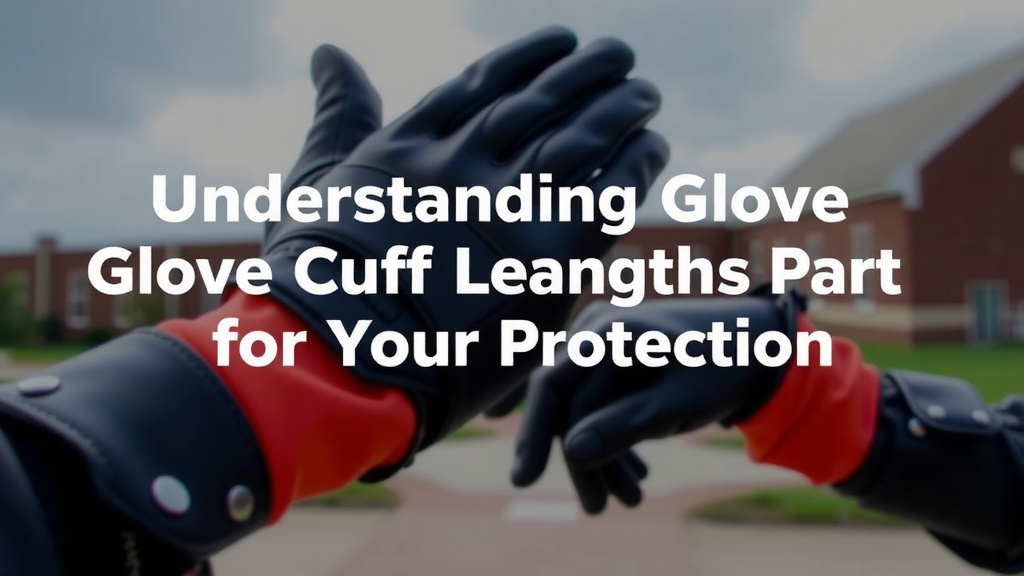
“`htmlUnderstanding Glove Cuff Lengths for Your Protection
When you’re gearing up for a job or a hobby, your hands are your most important tools. Choosing the right gloves can make all the difference in comfort, safety, and effectiveness. We’ve looked into the differences between gauntlet and short cuff gloves to help you decide. The main distinction lies in how much your wrist and forearm are protected.
Gauntlet Gloves: Maximum Coverage, Maximum Peace of Mind
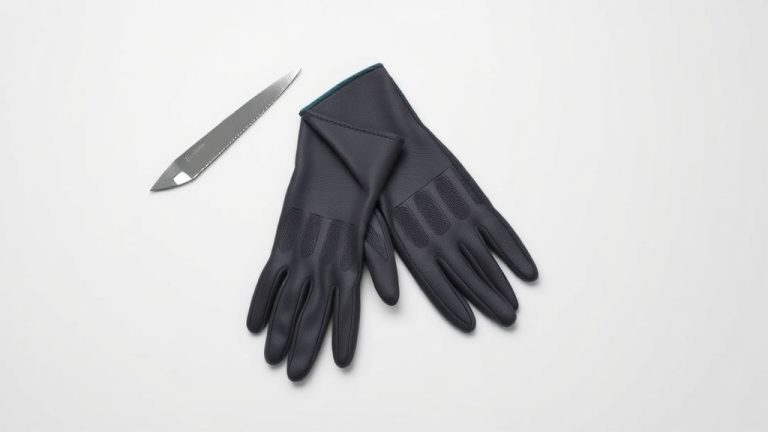
Think of gauntlet gloves like a knight’s armor for your hands and wrists. They extend well past your wrist, often covering a good portion of your forearm. This extra length is key for jobs where your hands might encounter impacts, abrasions, or even chemical splashes. Many experts point out that this extended coverage is a major safety benefit in hazardous environments (CDC).
What Gauntlet Gloves Excel At
We found that gauntlet styles are the go-to for certain professions. Construction workers, welders, and emergency responders often rely on them. Why? Because these jobs can involve heavy materials, sparks, or the risk of serious impact. The gauntlet design helps prevent debris from entering the glove and offers an additional barrier against scrapes and cuts on your forearm. For instance, if you’re working with power tools that might kick up dust or debris, the gauntlet can be a lifesaver.
When Gauntlet Gloves Might Feel Like Too Much
On the flip side, that extra material can sometimes feel bulky. If your task requires a lot of fine motor skill or delicate movements, the stiffness of a gauntlet might get in the way. Imagine trying to thread a tiny needle or pick up a small screw with thick, cumbersome gloves. It’s just not practical. We often see that people prefer them for the added protection, even if it means a slight trade-off in dexterity.
Short Cuff Gloves: Freedom and Agility for Delicate Tasks
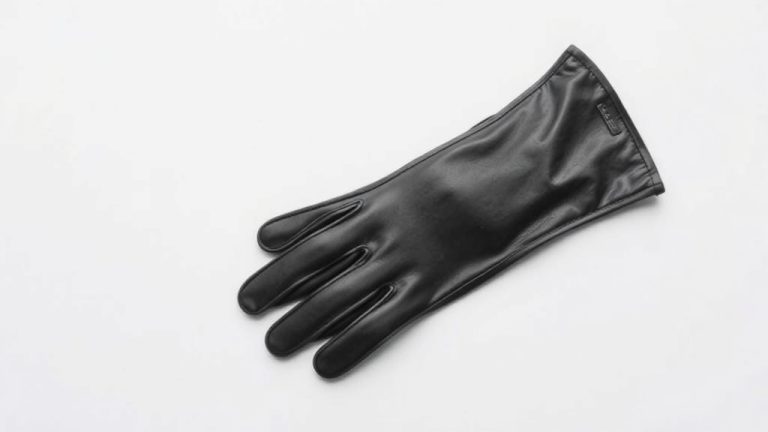
Now, let’s talk about short cuff gloves. These are your everyday workhorses. They typically end right at or just slightly above your wrist bone. Their main advantage is the unrestricted movement they offer. You get a snug fit around your hand without a lot of extra material getting in your way.
The Advantages of a Shorter Cuff
We’ve discovered that for tasks requiring precision, short cuff gloves are usually the better choice. Think about working on car engines, doing detailed landscaping, or even some crafting projects. You need to be able to bend your wrist freely and maintain a good feel for what you’re doing. Many mechanics and gardeners prefer them because they provide good grip and dexterity without feeling restrictive. This allows for more comfortable and efficient work over longer periods.
Where Short Cuffs Fall Short on Protection
The trade-off here is obvious: less coverage. If you’re working in an environment where you might bang your wrist against a hard surface or encounter flying debris, the short cuff offers minimal protection for that area. We found that while they are great for general utility, they aren’t the best option for jobs with a high risk of impact to the wrist or forearm. It’s like wearing a short-sleeved shirt on a chilly day – you’re protected, but not as much as you would be with long sleeves.
Making the Choice: Your Activity is the Key
So, how do you pick the right one for you? It really comes down to the job at hand. We’ve seen that using the wrong type of glove can actually be less safe and less effective than not wearing gloves at all.
Consider Your Primary Tasks
Ask yourself: what will you be doing most often?
- If you’re dealing with sharp objects, heavy machinery, or anything that could cause a severe impact, gauntlet gloves are likely your best bet.
- If your work involves fine motor skills, intricate assembly, or tasks where you need to feel the object you’re holding, short cuff gloves offer superior agility.
Assessing Risk and Dexterity Needs
It’s a balancing act. Do you need to protect your entire hand and a good portion of your arm from hazards? Or is the ability to move your fingers and wrists with complete freedom more important? For example, a carpenter might use gauntlet gloves for demolition work but switch to short cuff gloves for detailed trim work. We found that having a few different types of gloves on hand can be a smart approach for varied tasks.
| Feature | Gauntlet Gloves | Short Cuff Gloves |
|---|---|---|
| Coverage | Extends past wrist, covers forearm | Ends at or slightly above wrist |
| Protection Level | High (impact, abrasion, debris) | Moderate (hand protection only) |
| Dexterity | Lower due to extra material | Higher, more freedom of movement |
| Ideal For | Heavy-duty tasks, welding, construction, hazardous environments | Fine motor skills, assembly, gardening, general utility |
| Potential Drawback | Can be bulky, restrict fine movements | Less protection for wrist/forearm |
A Quick Checklist for Your Glove Selection
Before you click “buy” or head to the store, consider these points:
- What are the main hazards you’ll face?
- How much dexterity do you need for your tasks?
- Will you be exposed to heat, chemicals, or sharp objects?
- Do you need protection up your forearm?
- What level of comfort is important for long work sessions?
- Are you working indoors or outdoors?
By answering these questions, you’ll get a much clearer picture of whether a gauntlet or a short cuff glove is the right companion for your hands.
“`
Conclusion
You now understand that the choice between gauntlet and short cuff gloves hinges on your specific needs. Gauntlet gloves offer maximum protection for your wrists and forearms, making them ideal for high-impact or hazardous work. On the other hand, short cuff gloves provide the dexterity and freedom necessary for tasks requiring fine motor skills. We’ve seen that your activity should guide your decision to ensure both safety and efficiency. Before you pick, consider the hazards you face and the precision your work demands. For your next project, choose the gloves that best match your task to keep your hands protected and your movements unrestricted.
Frequently Asked Questions
Are gauntlet gloves always better than short cuff gloves?
Not necessarily. Gauntlet gloves offer superior protection for your wrists and forearms, which is vital for jobs with high impact or debris. However, if your task requires a lot of finger dexterity and freedom of movement, short cuff gloves will serve you better.
Can I wear short cuff gloves for welding?
While short cuff gloves can offer some hand protection, they generally do not provide enough coverage for welding. Welding often produces sparks and heat that can easily reach your wrists and forearms. Gauntlet-style welding gloves are recommended for adequate protection.
How do I know if I need forearm protection from my gloves?
You likely need forearm protection if your work involves tasks where your arms could be scraped, cut, or exposed to splashes. Construction, landscaping with thorny plants, or handling rough materials are good examples where gauntlet gloves’ extra length is beneficial.
Will gauntlet gloves make my hands sweat more?
Due to their longer length and often thicker materials, gauntlet gloves can sometimes feel warmer and potentially lead to more sweating than short cuff gloves. If heat is a concern, look for gauntlet gloves made with breathable materials or those designed for heat resistance.
Can I use short cuff gloves for handling chemicals?
Short cuff gloves offer minimal protection against chemical splashes and exposure to your wrists. For chemical handling, it’s essential to use gloves specifically designed for chemical resistance, which often come in longer, gauntlet-style designs to prevent liquids from entering the glove.