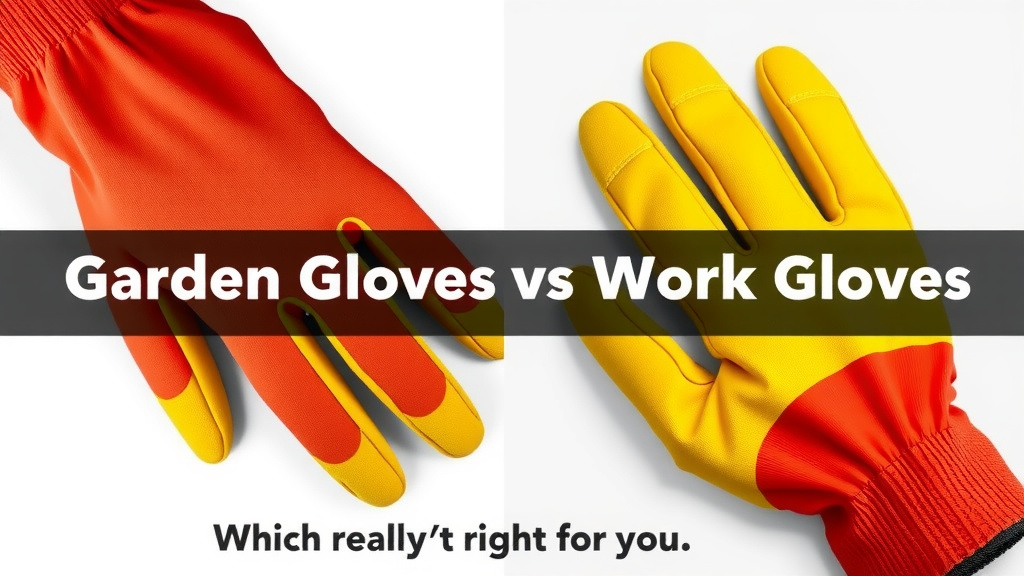
Garden Gloves vs Work Gloves: Which is Right for You
When choosing between garden gloves and work gloves, remember they aren’t interchangeable. Garden gloves are typically lighter, offering better dexterity for delicate tasks like planting seeds or pruning flowers. Work gloves, on the other hand, provide heavy-duty protection against rough materials and impacts.
We found that selecting the right glove depends heavily on the job at hand. For instance, you wouldn’t want to wear thick work gloves for potting houseplants, nor would you want to use thin gardening gloves for handling sharp lumber. Understanding the primary function of each type ensures your hands stay safe and comfortable.
- Garden gloves are best for dexterity and light protection.
- Work gloves offer robust protection for tough jobs.
- Choose based on the specific task to avoid injury.
- Material and thickness are key differentiators.
Let’s dig into the specifics of each type of glove so you can make the best choice for your next project.
Garden Gloves vs. Work Gloves: What’s the Difference?
Choosing the right gloves for your tasks is essential. You might wonder if your trusty gardening gloves can handle a construction job or if heavy-duty work gloves are overkill for planting petunias. Research and found that these gloves serve distinct purposes. They offer different levels of protection and dexterity.
Understanding Garden Gloves: Designed for Delicate Tasks
Garden gloves are your go-to for lighter, more detailed outdoor activities. Think of them as an extension of your hands for gardening. They prioritize flexibility and comfort. This allows you to feel what you’re doing. This is important for tasks requiring a gentle touch.
Materials and Features of Garden Gloves
Many garden gloves are made from lightweight materials. You’ll often find options in cotton, jersey, nylon, or synthetic leather. Some come with a latex or nitrile coating. This coating offers a bit of water resistance and better grip. The focus is on a snug fit. This minimizes bulk and maximizes precision.
When to Use Garden Gloves
These gloves shine when you’re working with soil, small plants, or delicate flowers. They are perfect for:
- Planting seeds and seedlings
- Weeding
- Pruning roses or other thorny plants
- Repotting houseplants
- General yard cleanup where sharp objects aren’t prevalent
They protect your skin from dirt, minor scratches, and plant irritants. They also help keep your hands clean. This is a big plus for many gardeners!
Exploring Work Gloves: Built for Tough Jobs
Work gloves are designed for heavy-duty protection. They are made to shield your hands from more significant hazards. These hazards can include abrasions, impacts, and cuts. Think of them as armor for your hands. They are built for durability and protection.
Materials and Construction of Work Gloves
Work gloves often feature robust materials. You’ll commonly see thick leather, heavy-duty canvas, or reinforced synthetic fabrics. They may include padding in critical areas. Some offer knuckle protection. Many have reinforced fingertips and palms for extra wear resistance. The aim is to provide a strong barrier against rough surfaces and potential injuries.
When to Use Work Gloves
These gloves are your best bet for physically demanding tasks. They are ideal for situations where your hands might encounter:
- Sharp objects (metal, wood, glass)
- Heavy materials
- Vibration from tools
- Impacts or crushing hazards
Examples include construction, DIY projects involving demolition, moving heavy items, or working with power tools. They are also great for tasks like moving firewood or clearing brush.
Key Differences at a Glance
Let’s break down the main distinctions in an easy-to-understand way. This will help you quickly decide which pair is right for your needs.
| Feature | Garden Gloves | Work Gloves |
|---|---|---|
| Primary Purpose | Dexterity, light protection, keeping hands clean | Heavy-duty protection, durability, safety from hazards |
| Material | Cotton, jersey, nylon, coated fabrics | Thick leather, heavy canvas, reinforced synthetics |
| Thickness | Thin to medium | Medium to thick |
| Flexibility | High | Moderate to low |
| Protection Level | Low (against dirt, minor scrapes) | High (against cuts, abrasions, impacts) |
| Best For | Light gardening, planting, weeding | Construction, heavy DIY, demolition, moving heavy objects |
As you can see, they are built with different jobs in mind. Trying to use one for the other’s purpose can lead to discomfort or even injury. For instance, wearing thick work gloves for delicate planting might make it hard to feel the seeds. On the flip side, wearing thin garden gloves when handling rough lumber could result in splinters or cuts. Many experts highlight the importance of choosing gear suited to the task (OSHA).
Are There Any Overlap or Hybrid Options?
Yes, there are gloves that try to bridge the gap. You might find some “gardening gloves” with reinforced fingertips and palms. These offer a bit more protection for tougher gardening jobs, like handling thorny bushes or moving pots. Similarly, some lighter “work gloves” might offer better dexterity than their heavy-duty counterparts. However, these are still generally geared towards one primary function.
If you’re doing a job that involves both delicate handling and some tougher elements, you might need to switch gloves. Or, you could look for a hybrid option. Just be realistic about its capabilities. It likely won’t be as good at the heavy-duty stuff as a dedicated work glove. Nor will it offer the same fingertip sensitivity as a pure garden glove.
Making the Right Choice for Your Hands
So, how do you pick the right pair for your next project? Consider these points:
- What is the primary hazard you need protection from?
- How much dexterity do you need?
- What materials will you be handling?
- Will your hands be exposed to moisture or chemicals?
- How long will you be wearing the gloves?
Research and found that the best approach is to match the glove to the task. Don’t try to make one glove do everything. Investing in the right type of glove for each job will protect your hands and make your work more enjoyable. Your hands will thank you for it!
Your Glove Selection Checklist
Before you head out to buy gloves or grab a pair for your next task, run through this quick checklist:
- Task Assessment: Clearly define what you’ll be doing.
- Protection Needs: Identify the main risks (cuts, abrasion, impact, thorns).
- Dexterity Requirement: How much fine motor control do you need?
- Material Choice: Select materials appropriate for the task (e.g., leather for grip, coated for water resistance).
- Fit Check: Ensure the gloves fit snugly without being too tight or too loose.
- Comfort Factor: Will they be comfortable for the duration of your work?
Conclusion
You now know that garden gloves and work gloves are not interchangeable. Garden gloves offer dexterity and light protection for delicate tasks. Work gloves provide heavy-duty protection against rough hazards. Selecting the right glove is about matching the tool to your task. This prevents discomfort and injury. Think about the hazards and precision needed for your project. Then, choose the glove that best fits those demands. Your hands will be safer and more comfortable as a result. For your next project, take a moment to assess your needs and pick the perfect pair!
Frequently Asked Questions
Can I use work gloves for gardening?
While you technically can, it’s generally not ideal. Work gloves are often too bulky, reducing the dexterity you need for planting or weeding. They can also be unnecessarily hot and cumbersome for light gardening tasks. You might find it difficult to handle small seeds or delicate plants with them.
Are garden gloves good for protecting against thorns?
Most standard garden gloves offer minimal protection against sharp thorns. Thicker, more durable garden gloves with reinforced palms or synthetic leather might offer some defense. However, for extensive work with thorny plants, specialized rose-mitten style gloves or even lighter work gloves might be a better choice.
How often should I replace my gloves?
You should replace your gloves when they show signs of wear and tear. This includes holes, thinning material, or loss of grip. For garden gloves, worn-out gloves might not keep your hands clean. For work gloves, damaged gloves compromise safety and protection from hazards.
What kind of gloves are best for handling chemicals in the garden?
Neither standard garden nor work gloves are typically designed for chemical protection. For handling garden chemicals like pesticides or herbicides, you’ll need specialized chemical-resistant gloves, often made of nitrile or neoprene. Always check the product label for recommended glove types.
Do glove materials affect grip?
Yes, glove materials significantly affect your grip. Coated garden gloves, like those with latex or nitrile dips, often provide excellent grip, especially when wet. Leather work gloves can offer a good grip on rough materials but might become slippery when wet. Fabric gloves generally offer less grip compared to coated or leather options.