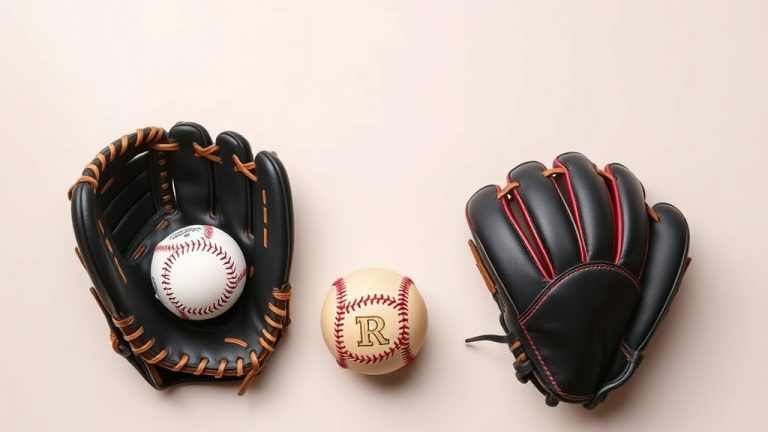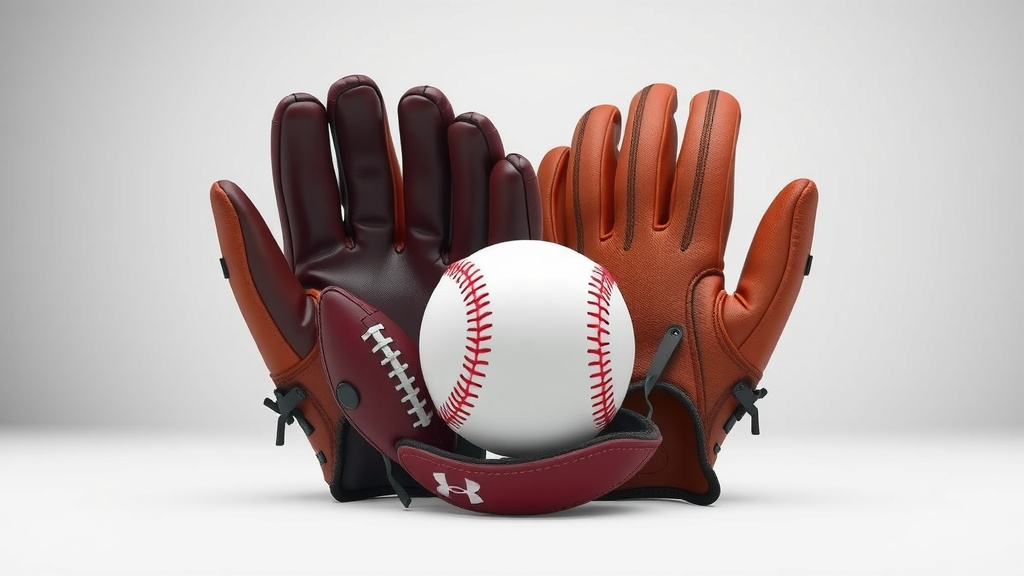
Football Gloves vs Baseball Gloves: Which Is Right For You
When comparing football gloves versus baseball gloves, you’ll find they are designed for very different sports. Football gloves focus on grip and protection for catching and throwing a football. Baseball gloves are built for catching and fielding a hard baseball. You cannot effectively use one for the other’s sport.
The core difference lies in their purpose and construction. Football gloves help players secure a ball that’s often slippery or wet. Baseball gloves, on the other hand, need to be durable and provide a pocket to safely trap fast-moving balls. We found that this fundamental difference impacts everything from materials to fit.
- Football gloves: Better for grip, less for catching hard balls.
- Baseball gloves: Designed to catch hard balls, not for slick grip.
- Materials differ greatly to suit each sport’s needs.
- Using the wrong glove can hinder performance and cause injury.
Let’s take a closer look at what makes each glove unique and why they work so well for their intended purpose. We’ll break down the key features of both football and baseball gloves.
Understanding the Differences: Football Gloves vs. Baseball Gloves
It’s easy to think all gloves are the same, right? But when you pit football gloves against baseball gloves, you’re looking at two very different tools for two very different sports. We’ve found that their designs are driven by the unique demands of each game.
The Purpose Behind the Design
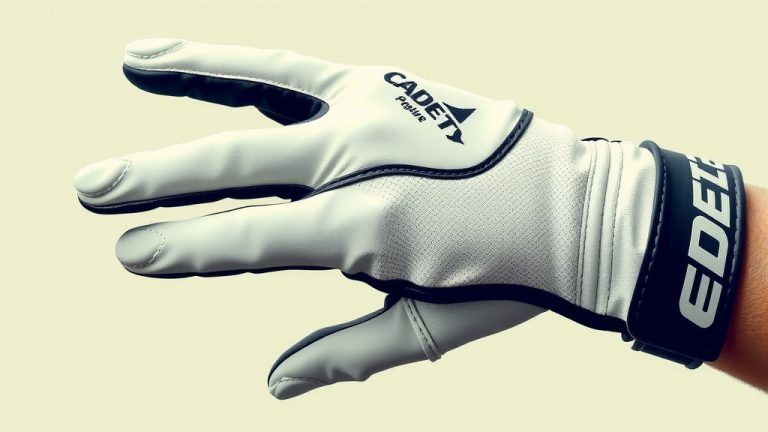
Think about how you catch a football. It’s usually thrown with a spiral, and the ball itself can be a bit slippery, especially if it’s wet. Football gloves aim to give you a better grip on that ball. They help receivers snag passes out of the air and quarterbacks maintain control. They are all about that sticky, secure connection.
Now, picture a baseball. It’s a hard, small ball traveling at high speeds. Baseball gloves are built to protect your hand and give you a larger surface area to trap that ball. They create a pocket where the ball can settle safely, rather than hitting your palm directly. We found that this pocket is the defining feature of a baseball glove.
Materials Matter for Performance
The materials used in each glove tell a story about their purpose. Football gloves often feature a sticky, synthetic palm. This might be made from materials like silicone or specialized rubber. The idea is to mimic the natural tackiness of your hand, but better. The back of the glove is usually a breathable, flexible fabric, like spandex or neoprene. This allows for a snug, comfortable fit while letting your hand move freely.
Baseball gloves, on the other hand, are typically made from heavy-duty leather. This leather is chosen for its durability and ability to withstand the impact of catching a baseball. While some synthetic materials are appearing in baseball gloves, traditional leather remains popular for its ability to mold to the player’s hand over time. The leather also helps create that essential pocket.
Construction and Fit: What to Expect
When you put on a football glove, you’ll notice it fits like a second skin. They are designed to be snug and form-fitting. This tight fit ensures there’s no excess material to get in the way when you’re trying to make a fingertip catch. Many also have adjustable wrist straps to customize the fit and provide a bit of support.
Baseball gloves are quite different. They are generally much larger and more structured than football gloves. You don’t typically wear them like a tight glove. Instead, your hand slides into the glove, and you use the glove’s webbing and pocket to catch the ball. The fit is looser, allowing for the glove to do the work of catching and absorbing the ball’s impact. We found that a good baseball glove feels like an extension of your arm.
The Football Glove Experience
These gloves are all about enhancing your ability to grip. Think of wide receivers needing to secure a pass in traffic or running backs needing to hold onto the ball through contact. Football gloves provide that extra confidence in your hands. They can even help with throwing, giving quarterbacks a better feel for the ball.
The Baseball Glove Experience
Catching a baseball is a skill that requires practice and the right equipment. A baseball glove is your primary tool. It’s designed to make catching easier and safer. The deep pocket helps secure the ball, and the padding can absorb some of the shock. Many players will “break in” their baseball gloves to make them more pliable and form them to their liking.
Can You Use One for the Other?
So, could you use a baseball glove to catch a football? Or a football glove for baseball? In short, we don’t recommend it. While you might be able to physically wear them, they won’t perform well. A baseball glove is too bulky and lacks the sticky grip needed for a football. You’d likely fumble a lot.
Trying to catch a fast-pitched baseball with a football glove? That’s a recipe for a sore hand. The thin materials and lack of padding in most football gloves offer very little protection against the impact of a baseball. Many experts, like those at sports medicine clinics, advise against using equipment not designed for the specific sport due to the risk of injury (Cleveland Clinic).
A Quick Comparison Table
| Feature | Football Gloves | Baseball Gloves |
|---|---|---|
| Primary Purpose | Enhanced grip, ball security | Catching hard balls, hand protection, pocket creation |
| Palm Material | Sticky synthetic (silicone, rubber) | Durable leather (or synthetic leather) |
| Fit | Snug, second-skin fit | Looser, structured, with a pocket |
| Padding | Minimal, focuses on flexibility | More significant padding for impact absorption |
| Flexibility | High flexibility for hand movement | Less flexible, more rigid structure |
Making the Right Choice for Your Game
Choosing the right glove depends entirely on the sport you’re playing. For football, you want that sticky grip and form-fitting feel. For baseball, you need a glove that offers protection, a reliable pocket, and the durability to handle the game. Using the correct gear not only improves your performance but also helps prevent injuries.
Think of it like using a screwdriver for a nail versus a hammer. Both are tools, but they have very different jobs. You wouldn’t want to try hammering a nail with a screwdriver, and you wouldn’t want to try gripping a football with a baseball glove. We found that sticking to the specialized equipment for each sport is always the smartest play.
Key Takeaways for Glove Selection
- Prioritize grip for football.
- Prioritize protection and a pocket for baseball.
- Understand that materials are chosen for different impacts.
- A snug fit is key for football.
- A structured, pocketed glove is vital for baseball.
- Using the wrong glove can lead to poor performance and injury.
Conclusion
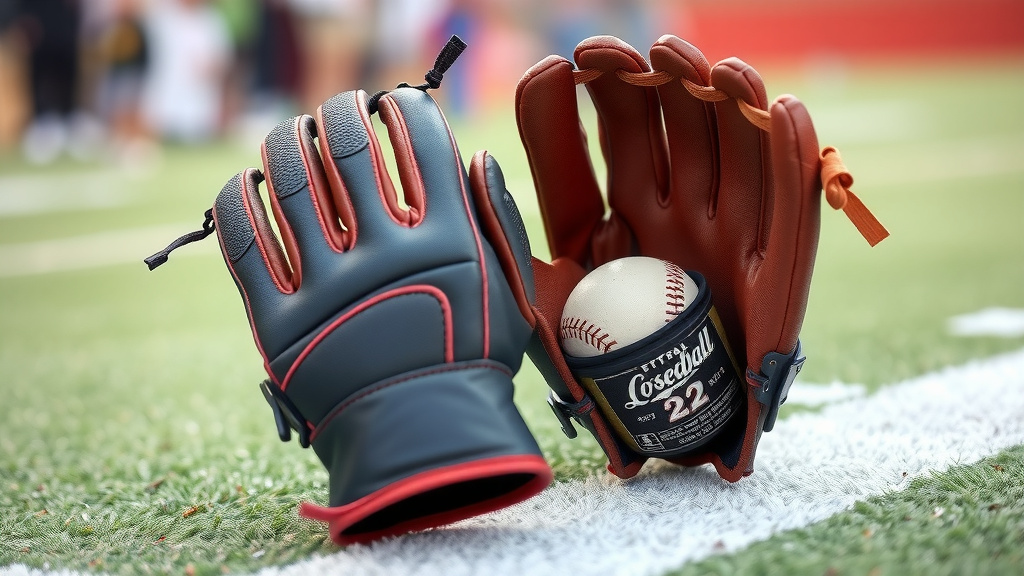
As we’ve seen, football gloves and baseball gloves are specialized tools built for distinct purposes. Your football gloves are designed to boost your grip and give you control over that oblong ball, making sure it stays in your hands. Baseball gloves, conversely, are your hand’s armor, built with tough leather and a deep pocket to safely catch fast-moving spheres. Trying to swap them would be like trying to hammer a nail with a screwdriver – it just won’t work right and could even cause harm. For your best performance and safety, always choose the glove designed for the sport you’re playing. Your next step should be to check your current gear or, if you’re buying new, make sure you’re grabbing the right glove for your game.
Frequently Asked Questions
Can I use my old football gloves for a baseball tryout?
It’s best not to. Football gloves lack the necessary padding and pocket to safely catch a baseball. You’d likely experience significant hand pain from the impact. Plus, the sticky palm won’t help you field a baseball effectively.
Are all baseball gloves made of leather?
Traditionally, yes. Most baseball gloves are crafted from durable leather because it molds to your hand and withstands the game’s impacts. However, you can now find some made with high-quality synthetic materials that mimic leather’s performance.
Why do football gloves need to be so grippy?
A football can be slippery, especially in damp conditions. The enhanced grip provided by football gloves helps players secure catches, maintain possession during tackles, and maintain control when throwing or receiving. It’s all about making sure the ball stays in your possession.
Will wearing a baseball glove help me catch better in football?
No, it’s highly unlikely. A baseball glove is bulky and doesn’t offer the sticky surface needed for a football. You’d probably fumble more than you catch. The glove’s structure is designed for a different type of ball and a different catching motion.
What’s the main risk of using the wrong glove for a sport?
The primary risk is injury. Using a football glove for baseball offers minimal protection against hard impacts, potentially leading to bruises or more serious hand injuries. Conversely, a baseball glove’s bulkiness can hinder grip and control in football, leading to fumbles and other performance issues.