First Base vs Infield Glove: What’s the Difference
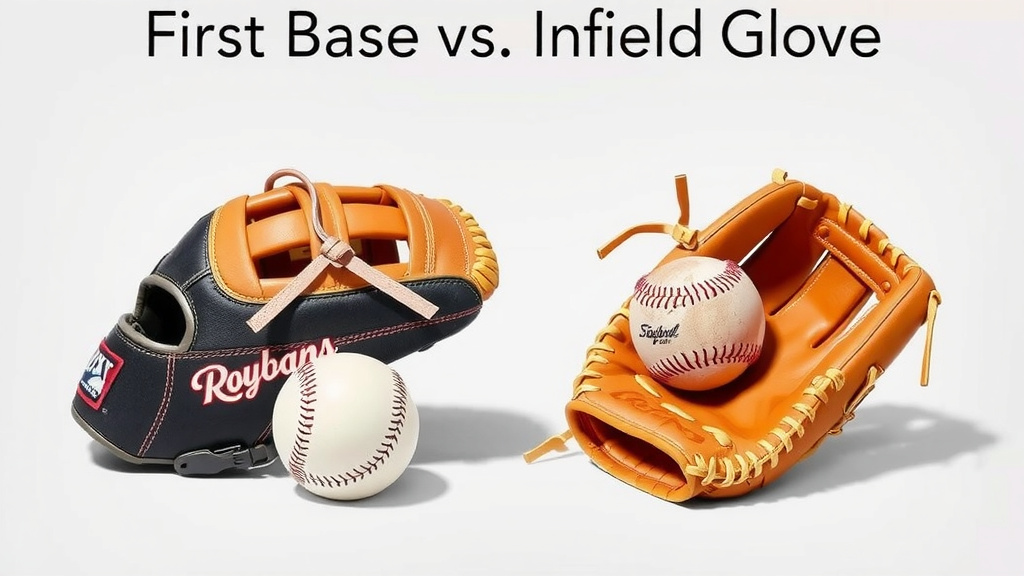
When choosing between a first base glove and an infield glove, the key difference is their intended use. A first base mitt is larger, has a deep pocket, and is designed for scooping throws, while infield gloves are smaller with shallower pockets for quicker transfers. You really need the right tool for the job on the diamond.
Both gloves are vital for defensive players, but they serve distinct roles. Understanding these distinctions helps you make the right choice for your position and play style. Many players wonder about the subtle design differences and how they impact performance. We found that the glove’s construction directly affects your ability to make plays.
- First base mitts are big and deep for scooping.
- Infield gloves are smaller for quick ball handling. Infield gloves are smaller for quick ball handling, and our guide to the best shortstop gloves explains why.
- Each glove is designed for specific defensive tasks.
- Choosing the right one improves your game.
Let’s break down the specific features of each type of glove so you can see which one is the better fit for your needs on the field.
Choosing Your Diamond Defender: First Base Mitts vs. Infield Gloves
Picking the right glove can feel like a big decision. It’s the tool you’ll use for most of the game. We’ve found that understanding the differences between a first base mitt and a standard infield glove is key. They look different for good reasons. Let’s get into what makes them unique so you can feel confident in your choice.
The Heart of the Matter: Size and Pocket Depth
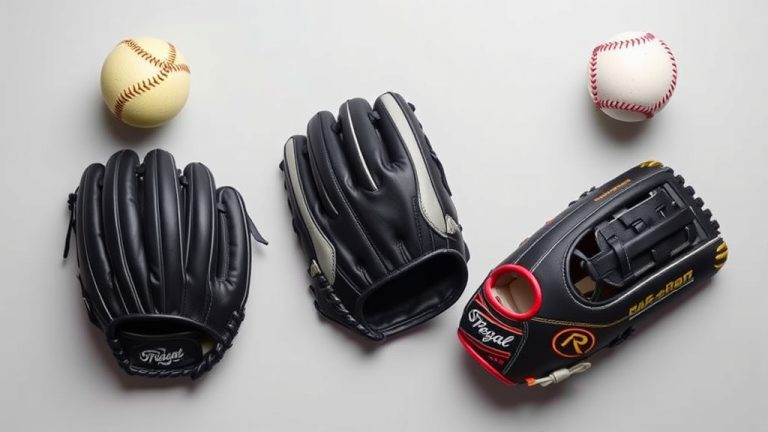
The most obvious difference is how big they are. A first base glove is noticeably larger. It’s built for a very specific job. Think of it like a catcher’s mitt, but for first base. This extra size and its features are designed to help you catch those tricky throws from your teammates.
First Base Mitts: The Scoop Specialists
When you’re playing first base, your main job is to catch throws from other infielders and the pitcher. These throws can be off-target or moving fast. That’s where the first base mitt shines. We found that its large, deep pocket acts like a basket. This design helps secure the ball, even on a bad hop or a wild throw.
Why the Large Size?
The sheer size isn’t just for show. It gives you a bigger target for your teammates to aim for. A larger surface area means less chance of the ball bouncing off your glove. This is why first basemen often look like they’re using a dinner plate compared to other fielders. It’s all about maximizing the chance of a clean catch.
The Deep Pocket Advantage
Beyond size, the pocket is much deeper. This depth helps trap the ball. Once it’s in there, it’s less likely to pop out. We’ve seen that this is critical for preventing errors. A deep pocket makes those scooped throws look easy, even when they’re not.
Infield Gloves: Speed and Agility
Now, let’s look at gloves used by other infielders – shortstops, second basemen, and third basemen. These gloves are designed for a different kind of play. Infielders need to be quick. They have to field ground balls and then transfer the ball to their throwing hand as fast as possible. This demands a different kind of glove.
Smaller and Lighter for Quickness
Infield gloves are generally smaller. This makes them lighter and easier to maneuver. When a fast ground ball is hit right at you, you need to snag it and get rid of it quickly. A smaller glove allows for quicker transfers. We found that many infielders prefer a glove that doesn’t feel like a burden on their hand.
Shallow Pocket for Faster Transfers
Unlike the deep pocket of a first base mitt, infield gloves have a shallower pocket. Why? Because you want the ball to pop out easily into your throwing hand. A shallow pocket means less digging around to find the ball. This saves precious milliseconds when you’re trying to make a double play or throw out a runner at first. Many ballplayers agree that quick transfers are a hallmark of good infield defense.
Key Design Differences at a Glance
Let’s break down the core features side-by-side. This might help you visualize the differences better.
| Feature | First Base Mitt | Infield Glove |
|---|---|---|
| Size | Larger, longer pattern | Smaller, more compact pattern |
| Pocket Depth | Deep | Shallow |
| Webbing | Closed web (often a basket weave) | Open web (H-web, I-web, etc.) |
| Fingers | Less separation, more of a mitt | More defined finger stalls |
| Primary Use | Scooping throws, fielding bunts near first | Fielding ground balls, quick transfers |
Webbing: Keeping the Ball Secure (or Not!)
You’ll notice the webbing between the thumb and index finger is different too. First base mitts typically have a closed web. This looks like a basket weave or a solid piece of leather. Its purpose is to keep the ball hidden and secure. We’ve researched that this closed design prevents the ball from peeking through.
Infield gloves, on the other hand, often feature an open web. Common types include the H-web or I-web. These webs have gaps or channels. Why? They help shed dirt and debris. They also allow you to see the ball through the web sometimes, which some players like for tracking. But mostly, they contribute to keeping the glove light and flexible for quick plays.
Finger Construction: What’s Going On Inside?
Take a look at the fingers. A first base mitt often has a more continuous feel. The thumb and fingers are more molded together. This creates that large, scooping surface. There aren’t really individual finger stalls that you’d expect in other gloves.
An infield glove usually has distinct finger stalls. You slip each finger into its own place. This offers more control and a snugger fit. We found that this individualized fit helps players get a better feel for the ball when they catch it. It’s about having fine motor control for precise plays.
Is a First Base Mitt Ever Used by Other Infielders?
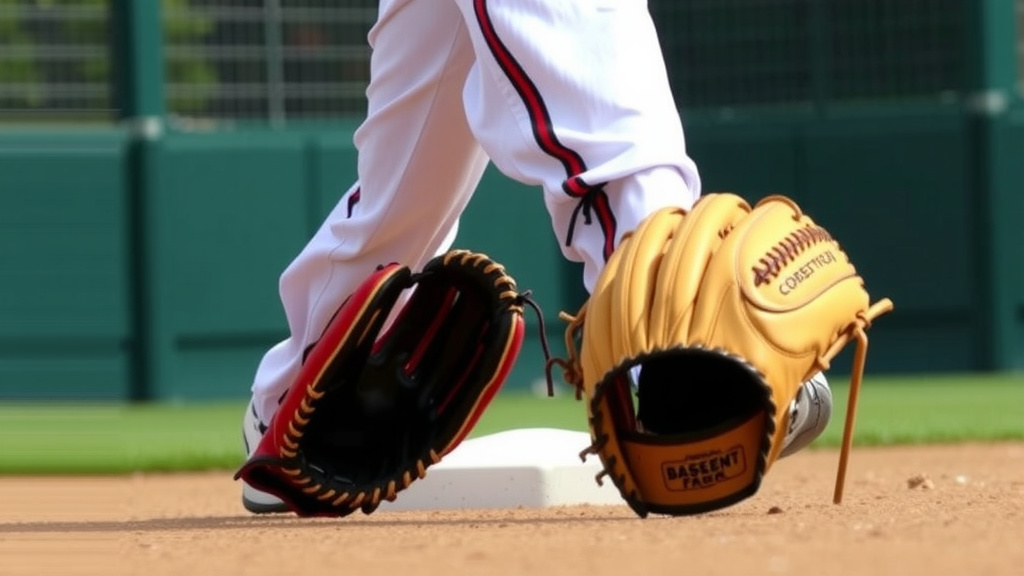
Generally, no. While exceptions might exist in extremely casual play, it’s not standard. A first base mitt is too large and cumbersome for the quick demands of other infield positions. Trying to make a fast transfer with a deep, closed-web mitt would be incredibly difficult. It’s like trying to grab a coin with a soup ladle.
Can an Infield Glove Work at First Base?
It’s possible, but not ideal. If you’re a smaller player or playing at a very low level, you might get away with it. However, you’ll likely find yourself struggling to catch errant throws. The smaller pocket and open web make it harder to secure the ball. You risk more errors. Most experts recommend sticking to the mitt designed for the job.
Making Your Choice: What to Consider
When you’re deciding which glove is right for you, think about your position and your play style. Are you anchoring the defense at first base? You’ll want that big, deep mitt. Are you patrolling the middle infield or third base? You need the speed and quick transfer ability of a smaller infield glove.
Here’s a quick checklist to help you decide:
- Are you playing first base?
- Do you need to scoop throws reliably?
- Is a large target important for your position?
- Are you playing any other infield position?
- Do you need to transfer the ball very quickly?
- Does a lighter, more compact glove feel better for your play?
We found that understanding these differences is the first step to a better defensive game. Choosing the glove that matches your position’s demands will help you make plays with more confidence. It’s all about having the right equipment to succeed on the field.
Conclusion
You now understand the core differences between a first base mitt and an infield glove. Remember, a first base mitt is built for scooping and providing a large target with its deep pocket. Infield gloves are designed for speed, agility, and quick ball transfers thanks to their smaller size and shallow pockets. Making the right choice ensures you’re equipped for your specific role on the diamond. Your next step is to consider your position and playing style. Then, confidently select the glove that will help you make those winning plays.
Frequently Asked Questions
What’s the main job of a first base glove?
A first base glove is primarily designed to help the first baseman scoop throws from other players. Its large size and deep pocket make it easier to catch the ball, even when the throw is a little off-target or bounces. This design helps prevent errors and ensures a secure catch.
Why do infield gloves have shallow pockets?
Infield gloves have shallow pockets to allow for very fast ball transfers. When you field a ground ball, you need to get the ball out of your glove and into your throwing hand as quickly as possible. A shallow pocket means you don’t have to dig for the ball, saving precious seconds for plays like double plays.
Can a shortstop use a first base mitt?
Generally, no. A first base mitt is too large and has a deep, closed pocket that would make quick ball transfers extremely difficult for a shortstop. The agility required for middle infield positions demands a smaller glove with a shallower pocket.
Does webbing type matter between first base and infield gloves?
Yes, it does. First base mitts often use closed webbing, like a basket weave, to help secure the ball and prevent it from popping out. Infield gloves frequently feature open webbing, such as an H-web or I-web, which can help shed dirt and keep the glove lighter for faster handling.
Which glove should a third baseman use?
A third baseman should use an infield glove. This position requires quick reflexes to field hard-hit ground balls and make fast throws across the diamond. The smaller size and shallow pocket of an infield glove are perfect for these demands.