Fastpitch vs Baseball Glove: Key Differences Explained
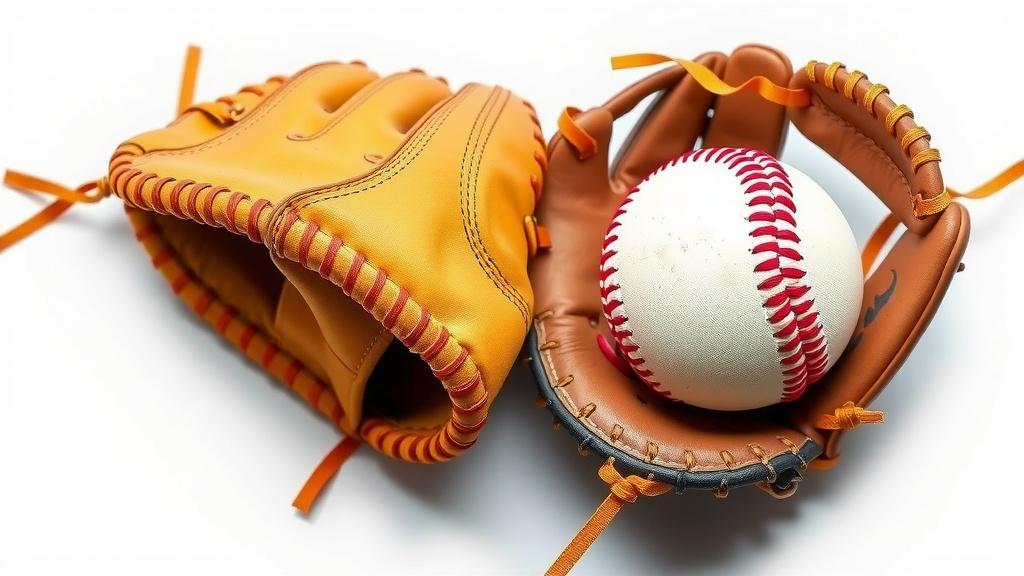
While both fastpitch gloves and baseball gloves protect your hand, a fastpitch glove is generally smaller and more flexible. This is designed for the quicker movements and smaller ball used in fastpitch softball. Baseball gloves are typically larger and stiffer to handle a faster, heavier ball.
Choosing the right glove makes a big difference in your game. You want a glove that fits well and helps you make those crucial plays. We found that the differences, though subtle, are engineered for specific playing styles and equipment. Knowing these distinctions can help you select the best glove for your needs.
- Fastpitch gloves are smaller and more flexible.
- Baseball gloves are larger and stiffer.
- Glove choice impacts performance.
- Consider the ball size and game speed.
Let’s break down the key differences so you can confidently choose your next glove!
Glove Differences for Softball and Baseball Players
You might be wondering about the real differences between a fastpitch glove and a baseball glove. We’ve looked into it, and it’s all about matching the glove to the game. Think of it like choosing the right tool for a specific job. A fastpitch glove is designed for the unique demands of softball, while a baseball glove is built for baseball’s distinct characteristics.
The Ball Makes a Difference
The most obvious difference comes down to the ball itself. Fastpitch softballs are larger than baseballs. A regulation fastpitch ball has a circumference of 10 to 10.5 inches. Baseballs are smaller, with a circumference of 9 to 9.25 inches. This size difference impacts how gloves are constructed. A larger ball requires a deeper pocket to secure it properly.
Pocket Depth and Design
Because of the ball size difference, fastpitch gloves tend to have a deeper pocket. This helps infielders and outfielders catch and control the larger softball. Baseball gloves, on the other hand, often have a shallower pocket. This allows for quicker transfers from the glove to the throwing hand, which is a key skill in baseball.
Infielders and Outfielders
Infielders in both sports need to get the ball out quickly. Baseball infielders often use gloves with an open web to reduce the weight and allow for faster ball transfer. Fastpitch infielders also benefit from speed, but the slightly larger ball might mean a more closed web for security. Outfielders in both sports typically use gloves with deeper pockets and longer fingers to help snag fly balls.
Glove Size and Finger Length
Generally, baseball gloves are larger than fastpitch gloves. You’ll find baseball gloves ranging from 11 inches up to 13 inches for outfielders. Fastpitch gloves typically fall between 11 and 12.5 inches. This difference in size is engineered to fit the player and the ball. Smaller gloves offer more control for the smaller baseball, while slightly larger gloves can accommodate the softball.
Youth vs. Adult Sizes
For younger players, the sizing differences are even more pronounced. Youth baseball gloves are often smaller and more flexible to help beginners learn to catch. Youth fastpitch gloves also prioritize flexibility and ease of use. However, even at younger ages, the subtle design differences reflecting the ball size are present.
Material and Flexibility
You’ll often find that fastpitch gloves are made with softer, more flexible materials. This allows them to break in faster and offer a more comfortable feel right away. Many fastpitch gloves are designed with women’s hands in mind, featuring a narrower finger stall and a more snug fit. Baseball gloves, especially for older players, might be made of stiffer leather that requires a longer break-in period. This stiffness can offer more protection against the harder-hit baseballs.
Break-In Period: What to Expect
The break-in period is an important consideration. A baseball glove made from high-quality leather might take weeks or even months to become fully pliable. This is part of what gives it its durability and custom feel. Fastpitch gloves, with their often softer leather and design, tend to have a much quicker break-in time. Some are almost ready to go right out of the box.
Webbing and Closure Types
The type of webbing on a glove can affect how well you can see through it and how it closes. Baseball gloves often feature open-weave designs like I-web or H-web. These allow for better visibility. Fastpitch gloves might use more closed webs, such as the Modified T-web or a closed mesh. This helps keep the larger ball secure in the pocket. Many fastpitch gloves also feature a unique wrist strap system for a more customized fit.
Key Design Features Summarized
Let’s look at the main differences in a simple table to help you see them side-by-side. This can make your choice a bit easier when you’re shopping.
| Feature | Fastpitch Glove | Baseball Glove |
|---|---|---|
| Ball Size | Larger (10-10.5 inches circumference) | Smaller (9-9.25 inches circumference) |
| Pocket Depth | Deeper | Shallower |
| Overall Size | Generally Smaller (11-12.5 inches) | Generally Larger (11-13 inches) |
| Flexibility | More flexible, quicker break-in | Stiffer, longer break-in |
| Webbing | Often more closed for security | Often more open for visibility/transfer |
| Fit | May be narrower for female hands | Standard fit |
Making Your Choice: What to Consider
So, when you’re picking out your next glove, think about these points. Are you playing fastpitch or baseball? What position do you play? Your age and hand size also play a role. Many glove manufacturers offer specific lines for fastpitch or baseball, so pay attention to the labels.
Try Before You Buy (If Possible)
The best way to know if a glove is right for you is to try it on. See how it feels on your hand. Can you close it easily? Does the pocket seem like it will hold the ball securely? A glove that feels good will help you play your best. We found that trying on a few different models can really help you understand the subtle differences.
Your Glove Checklist
Before you make your final decision, run through this quick checklist:
- Game Type: Are you playing fastpitch softball or baseball?
- Ball Size: Consider the size of the ball you’ll be catching.
- Pocket Needs: Do you need a deep pocket for security or shallower for quick transfers?
- Glove Size: Does the overall length fit your playing style and position?
- Hand Fit: Does it feel snug and comfortable on your hand?
- Flexibility: How much break-in time are you willing to put in?
Conclusion
You now understand the key differences between fastpitch and baseball gloves. The ball size, pocket design, and overall glove dimensions are all engineered for each sport. Fastpitch gloves are typically smaller and more flexible for the softball, while baseball gloves are larger and stiffer for the baseball. Your choice impacts your ability to catch and transfer the ball. Now you can confidently select a glove that fits your game. Consider trying on a few models to feel the difference yourself!
Frequently Asked Questions
Can I use a baseball glove for fastpitch?
While you technically can, it’s not ideal. Baseball gloves are often too stiff and have shallower pockets for the larger softball. This can make catching harder and lead to more errors. A fastpitch glove is designed to secure the softball better.
How do I know if a fastpitch glove is too small?
If the ball consistently pops out of the pocket or you struggle to close the glove around it, it’s likely too small. You should be able to comfortably secure the softball in the pocket. Your fingers should also not be hitting the end of the finger stalls too hard.
Are fastpitch gloves better for players with smaller hands?
Often, yes. Fastpitch gloves are frequently designed with narrower finger stalls and a more snug fit, which can be perfect for players with smaller hands, including many female athletes. This customized fit can improve control and comfort.
How long does it take to break in a fastpitch glove?
Fastpitch gloves generally have a quicker break-in period. Many are made with softer leather and are designed for immediate playability. You might only need a few sessions to get it feeling perfectly molded to your hand, compared to a baseball glove.
Should outfielders use different gloves in fastpitch vs. baseball?
Outfielders in both sports typically use gloves with deeper pockets and longer fingers to help snag fly balls. While the core concept is similar, a fastpitch outfielder’s glove will be designed for the larger softball, potentially having a slightly deeper pocket than a baseball outfielder’s glove of the same size.