Dry Brush vs Exfoliating Gloves: Which Is Best For You
When deciding between dry brushing and exfoliating gloves, the best choice depends on your skin type and goals. Dry brushing is excellent for stimulating circulation and sloughing off dead skin, while exfoliating gloves offer a gentler yet effective way to achieve smoother, brighter skin without harshness.
Both methods are fantastic for revealing a healthier complexion. They help remove dull surface cells, allowing your skin to better absorb moisturizers. Many find that incorporating either into their routine leads to a noticeable glow and a softer feel, but understanding their differences helps you pick the perfect match.
- Dry brushing stimulates blood flow and lymphatic drainage.
- Exfoliating gloves offer a physical scrub for dead skin removal.
- Both can lead to smoother, brighter skin.
- Choose based on your skin’s sensitivity and desired results.
Let’s dive into the specifics of each to help you make the most informed choice for your skincare routine.
“`htmlChoosing Your Best Exfoliation Tool: Dry Brush or Gloves?
When it comes to achieving that smooth, glowing skin, you have a couple of popular options: dry brushing and exfoliating gloves. Both work by sloughing off dead skin cells, but they offer different experiences and benefits. We’ll break down exactly what each one does, who it’s best for, and how to use them effectively.
Understanding Dry Brushing: What’s the Buzz?
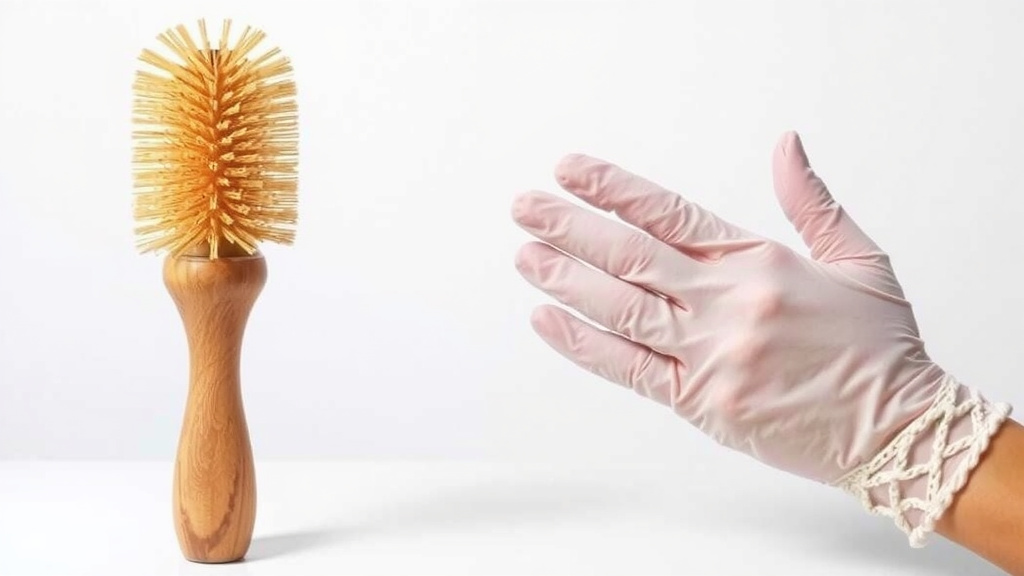
Dry brushing involves using a brush with natural bristles to gently sweep across your skin. Think of it as a wake-up call for your skin. It’s a practice that’s been around for centuries, with roots in ancient cultures. You typically do it before you shower.
How Dry Brushing Works Its Magic
The main benefit of dry brushing is physical exfoliation. The bristles lift away dead skin cells from the surface. But it does more than just scrub. Many find it helps stimulate blood circulation. This increased blood flow can bring more oxygen and nutrients to your skin cells. It may also aid in lymphatic drainage, helping your body remove waste products more efficiently (Cleveland Clinic).
It’s a fantastic way to help your skin feel smoother and look brighter. You might even notice your skin is more receptive to lotions and oils afterward. This is because you’ve removed that top layer of dullness.
What to Expect from Dry Brushing
- Smoother Skin: Instantly removes dead skin cells for a softer feel.
- Improved Circulation: Boosts blood flow to the skin’s surface.
- Potential for Detoxification: May assist lymphatic system in removing waste.
- Invigorating Sensation: Many report feeling more awake and energized.
- Preps Skin: Helps moisturizers absorb better.
Who Should Consider Dry Brushing?
If you have normal to slightly dry or oily skin, dry brushing can be a great addition. It’s ideal for those looking for a deeper exfoliation and a more invigorating experience. People who want to improve skin texture and boost circulation often turn to this method. It’s also a good choice if you want to feel more awake in the morning.
However, if your skin is very sensitive, prone to redness, or has conditions like eczema or psoriasis, you might want to proceed with caution or avoid it altogether. The bristles can sometimes be too harsh for delicate skin types.
How to Dry Brush Effectively
Always dry brush on clean, dry skin before you shower. Start at your feet and work your way up towards your heart. Use gentle, sweeping strokes. Apply light to medium pressure, depending on your comfort level. For areas like your stomach, use a clockwise motion.
After brushing, rinse off in the shower. Then, pat your skin dry and immediately apply a good moisturizer. This locks in the hydration. Aim to dry brush 2-3 times a week. Listen to your skin; if it feels irritated, reduce the frequency or pressure.
Exploring Exfoliating Gloves: A Gentle Scrub
Exfoliating gloves are typically made from materials like nylon, polyester, or a blend. You wear them like gloves and use them with your regular body wash or soap in the shower. They offer a physical scrub to remove dead skin cells, much like dry brushing, but with a different feel and application.
The Mechanics of Exfoliating Gloves
The primary function here is physical exfoliation. The textured surface of the gloves rubs away dead skin cells. This reveals fresher, brighter skin underneath. When used with soap or body wash, they help create a richer lather, too. This can make your shower experience feel a bit more luxurious.
Studies suggest that regular exfoliation can improve the appearance of skin tone and texture by removing the dull outer layer (NIH). Exfoliating gloves are an accessible way to achieve this for many people.
What You Gain from Exfoliating Gloves
- Smoother Texture: Effectively removes dead skin for softer skin.
- Brighter Complexion: Helps to uncover healthier-looking skin.
- Enhanced Product Absorption: Allows moisturizers to penetrate better.
- Gentle Enough for Most: Can be suitable for sensitive skin with careful use.
- Easy to Use: Integrates simply into your existing shower routine.
Who Benefits Most from Exfoliating Gloves?
Exfoliating gloves are a fantastic choice for most skin types. They are particularly good for those with sensitive or reactive skin who might find dry brushing too abrasive. If you prefer to exfoliate in the shower and want a quick, effective way to smooth your skin, these gloves are perfect.
They are also great for beginners to exfoliation. They offer a controlled way to scrub without being overly aggressive. If you want to tackle dullness, improve skin texture, or prevent ingrown hairs, these gloves can be a real help.
How to Use Exfoliating Gloves
Use the gloves in the shower or bath. Wet your skin and the gloves. Apply your favorite body wash or soap to the gloves. Gently scrub your body in circular motions. Focus on areas that tend to be rough, like elbows and knees. Learn how to properly use the gloves in the shower or bath.
Be gentle, especially on sensitive areas. Rinse your skin thoroughly afterward. Make sure to rinse the gloves well and hang them to dry. This prevents bacteria buildup. You can use exfoliating gloves 2-3 times a week.
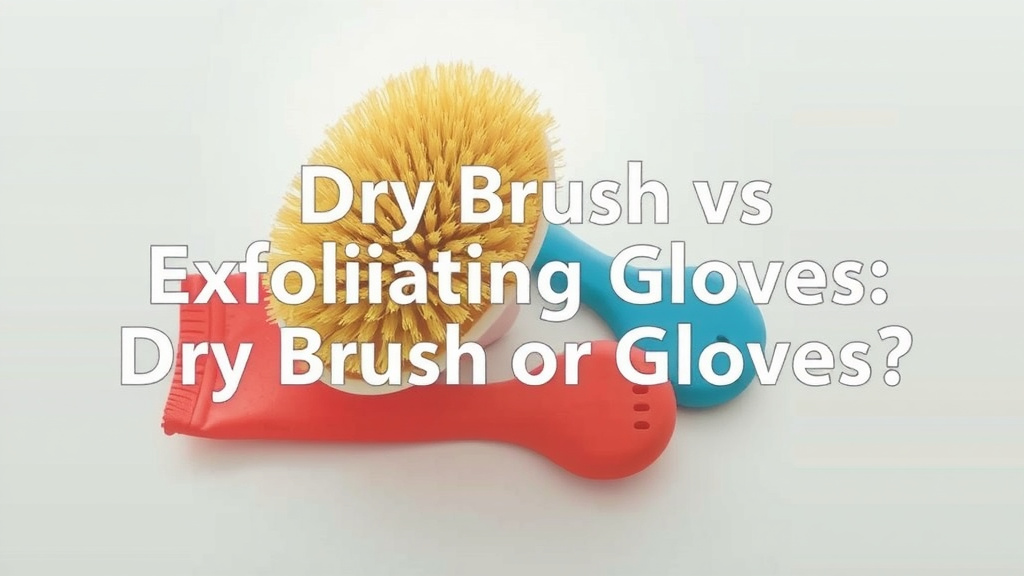
Dry Brushing vs. Exfoliating Gloves: A Quick Comparison
Let’s look at how they stack up side-by-side. Both are excellent physical exfoliants. The main difference is in the sensation and the intensity of the exfoliation.
| Feature | Dry Brushing | Exfoliating Gloves |
|---|---|---|
| Application | On dry skin, before shower | On wet skin, in shower/bath |
| Texture/Feel | Stiff bristles, invigorating | Loofah-like texture, gentler |
| Intensity | Can be more intense, depends on pressure | Generally gentler, easier to control |
| Primary Benefits | Circulation boost, skin stimulation, exfoliation | Exfoliation, smooth skin, lathering |
| Best For | Normal to oily skin, those seeking invigorating exfoliation | Most skin types, including sensitive; easy shower routine |
| Hygiene | Brush needs cleaning, air drying | Gloves need rinsing, air drying; replace regularly |
We found that the dry brushing experience is quite stimulating. It really wakes up your skin and your senses. On the other hand, exfoliating gloves offer a more straightforward and softer approach to smoothing your skin. Many experts suggest starting with gloves if you’re new to exfoliating.
Making Your Choice: What’s Right for You?
The best tool for you depends on your skin’s needs and your personal preferences. Ask yourself: how does my skin usually react to exfoliation? Do I prefer a vigorous scrub or a gentler touch? Am I looking for something to do before my shower, or something to incorporate into my existing routine?
A Checklist for Your Decision
- Does your skin get easily irritated? (Gloves might be better.)
- Do you enjoy a more energizing, invigorating scrub? (Try dry brushing.)
- Do you want to exfoliate in the shower? (Gloves are the way to go.)
- Are you sensitive to rough textures? (Gloves are often smoother.)
- Do you want to boost circulation as a primary goal? (Dry brushing excels here.)
- Are you looking for a simple, quick addition to your routine? (Gloves are very user-friendly.)
Ultimately, both dry brushing and exfoliating gloves can lead to noticeably softer, brighter skin. Whichever you choose, remember to be consistent and gentle. Your skin will thank you for the attention!
“`Conclusion
You’ve learned that both dry brushing and exfoliating gloves are excellent tools for smoother, brighter skin. Dry brushing offers an invigorating, circulation-boosting experience best suited for normal to oily skin types, performed before showering. Exfoliating gloves provide a gentler, more accessible scrub in the shower, making them a great option for most skin types, especially sensitive skin. Consider your skin’s sensitivity and your preferred routine when making your choice. Whichever you pick, remember consistency is key. Start with one and see how your skin responds!
Frequently Asked Questions
Can I use dry brushing and exfoliating gloves together?
While you can, it’s generally best to choose one method per exfoliation session to avoid over-exfoliating. Using both might be too harsh for your skin. Listen to your skin’s needs and alternate if you feel your skin can handle it, but start with moderation.
How often should I replace my exfoliating gloves?
Exfoliating gloves should be replaced every 1-3 months, depending on how often you use them and how well you care for them. Look for signs of wear and tear, like thinning material or loss of texture, as indicators it’s time for a new pair.
Will dry brushing hurt my skin?
Dry brushing can be uncomfortable or even painful if you use too much pressure or have very sensitive skin. Start with light pressure and a softer brush. If you experience redness or irritation, reduce the pressure or frequency, or consider exfoliating gloves instead.
Is it okay to exfoliate sensitive skin with gloves?
Yes, exfoliating gloves are often a good choice for sensitive skin because they offer a gentler exfoliation. Always use them with a mild body wash and gentle circular motions, avoiding any areas that feel irritated.
Do I need to moisturize after using exfoliating gloves?
Absolutely. After exfoliating with gloves and rinsing your skin, it’s important to apply a good moisturizer while your skin is still slightly damp. This helps to lock in hydration and keep your newly revealed skin soft and smooth.