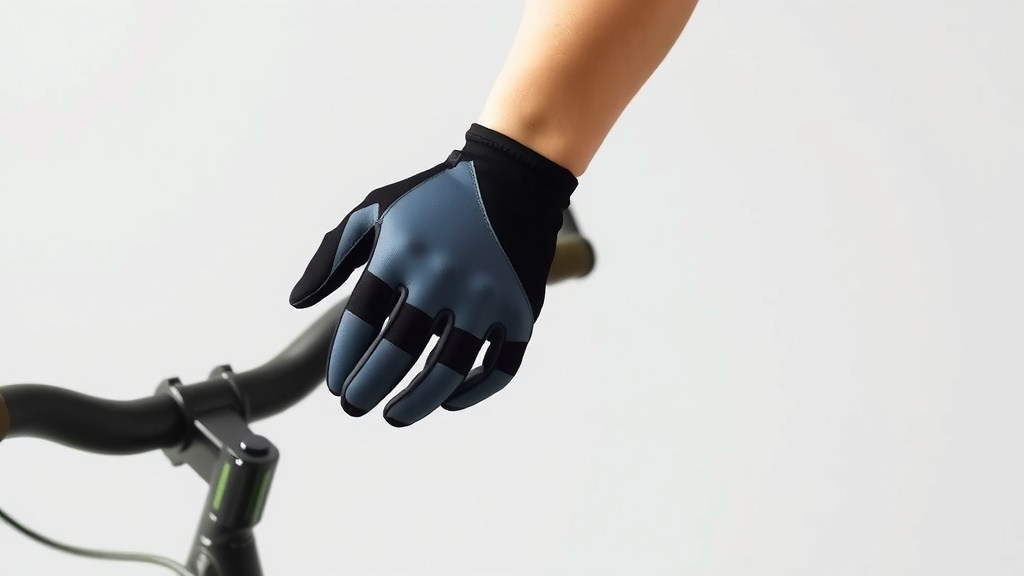
Why You Need Cycling Gloves: A Comfort & Safety Guide
Cycling gloves are worth it because they protect your hands from abrasions, offer better grip on your handlebars, and help reduce fatigue on longer rides. They cushion your palms against vibrations from the road or trail. This can make a huge difference in your comfort and control. Think of them as your hands’ best friends on two wheels.
Beyond basic comfort, cycling gloves play a big role in preventing injuries. If you fall, they can significantly reduce the severity of road rash on your hands. Many cyclists also find they help keep their hands warmer in cooler weather. It’s a small piece of gear that offers a surprising amount of protection and a much more enjoyable ride.
- Cycling gloves shield your hands from scrapes.
- They improve your grip for better control.
- Gloves help reduce hand and wrist fatigue.
- They offer protection during accidental falls.
- Many provide extra warmth in cool conditions.
Ready to give your hands the support they deserve? Below, we’ll break down exactly why cycling gloves are a smart addition to your gear, covering all the important benefits.
“`htmlWhy You Should Consider Wearing Cycling Gloves
Cycling gloves are more than just an accessory. They offer real benefits for comfort and safety on every ride. We found that using them can make a surprising difference.
Protecting Your Hands from Road Rash
Falls happen, and when they do, your hands are often the first to hit the ground. Cycling gloves act as a protective layer. They can significantly reduce the severity of scrapes and abrasions, commonly known as road rash (Centers for Disease Control and Prevention). This means less pain and faster healing after an unexpected tumble.
Improving Your Grip on the Handlebars
Holding onto your handlebars for extended periods can be tough. Your hands might get sweaty, making it harder to maintain a firm grip. Cycling gloves often have special materials on the palms that provide enhanced traction. This secure grip gives you better control over your bike, especially on bumpy terrain or during quick maneuvers.
Dealing with Sweat and Slippage
Sweat can be your enemy when you need a solid grip. Gloves designed for cycling often feature absorbent materials. They help wick sweat away from your skin. This keeps your hands drier and prevents your grip from slipping unexpectedly.
Reducing Hand and Wrist Fatigue
Long rides can lead to tired, sore hands and wrists. Vibrations from the road or trail travel up through your handlebars. Cycling gloves have padding, often in the form of gel inserts. This padding acts as a cushion, absorbing some of those vibrations. Many cyclists report less numbness and tingling after wearing padded gloves (National Institutes of Health).
The Role of Padding and Cushioning
The thickness and placement of the padding matter. Thicker gel pads offer more cushioning for rough surfaces. Some gloves use foam, while others use a combination. This can make a huge difference in comfort on longer journeys. It helps prevent pressure points from forming on your palms.
Enhancing Comfort in Different Weather Conditions
Your hands can get cold quickly, especially during cooler months or downhill descents. Cycling gloves offer an extra layer of insulation. This helps keep your hands warm and functional. Some gloves are specifically designed for winter riding with thicker insulation and waterproof materials.
Warmth in Cooler Temperatures
Even on a mild day, the wind can chill your hands. Wearing gloves can prevent that discomfort. It allows you to focus on your ride and enjoy the scenery, rather than worrying about numb fingers.
Protection from Sun Exposure
Did you know your hands can get sunburned too? Gloves provide a barrier against harmful UV rays. This can help prevent sunburn and reduce long-term skin damage. Some gloves even offer UPF protection.
A Quick Checklist for Glove Benefits
- Fall protection: Shields hands from scrapes.
- Better control: Improves handlebar grip.
- Less fatigue: Cushions against vibrations.
- Sweat management: Keeps hands drier.
- Temperature regulation: Offers warmth or breathability.
- Sun protection: Guards against UV rays.
Choosing the Right Cycling Gloves for You
Not all gloves are created equal. The best type for you depends on your riding style and the conditions you typically face. Here’s a look at common types:
| Glove Type | Best For | Key Features |
|---|---|---|
| Padded Gloves | Road cycling, long distances | Gel or foam padding on palms |
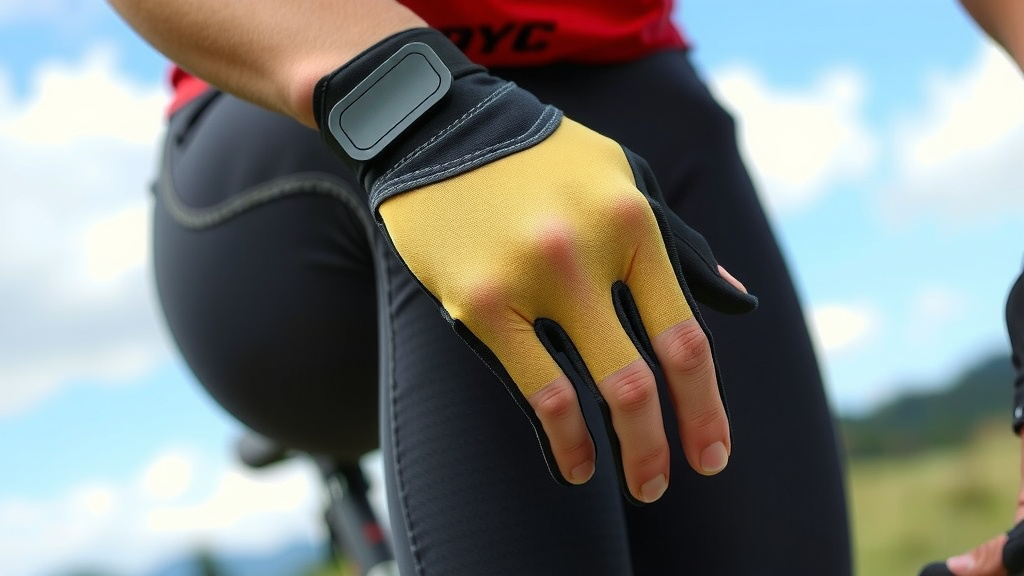
| Fingerless Gloves | Warm weather, casual riding | Open fingertips for dexterity |
| Full-Finger Gloves | Mountain biking, cool weather | Maximum protection and warmth |
| Windproof/Waterproof Gloves | Cold, wet conditions | Insulated, breathable membranes |
Think about how and where you ride most often. This will help you decide on the padding level and coverage you need. For casual rides, fingerless gloves might be enough. For tackling rough trails, full-finger gloves with durable padding are often recommended by cycling associations.
“`
Conclusion
You’ve learned that cycling gloves are a smart investment for any rider. They offer real protection against scrapes and reduce hand fatigue on long journeys. The improved grip ensures better control of your bike. Gloves also add comfort by managing sweat and providing warmth when you need it. Considering these benefits, your hands will thank you for the extra care. So, next time you gear up, don’t forget to put on a pair of cycling gloves for a safer and more comfortable ride.
Frequently Asked Questions
Are cycling gloves really necessary for short rides?
Even for short rides, cycling gloves can offer comfort and protection. They help improve your grip, especially if your hands get sweaty. The padding can also prevent pressure points from forming on your palms during your ride.
How do I know if I need padded gloves?
If you experience hand numbness or fatigue on longer rides, padded gloves can help. They absorb vibrations from the road or trail, which is especially beneficial on rough surfaces or for extended cycling sessions.
Can cycling gloves help with sweaty hands?
Yes, many cycling gloves are designed with materials that wick away moisture. This helps keep your hands drier, improving your grip on the handlebars and preventing slippage, which is important for control.
What’s the difference between fingerless and full-finger gloves?
Fingerless gloves offer more dexterity and are great for warmer weather. Full-finger gloves provide maximum protection against abrasions, cold, and impacts, making them ideal for mountain biking or cooler conditions.
How should I clean my cycling gloves?
Most cycling gloves can be hand-washed with mild soap and cool water. Always check the manufacturer’s care instructions to ensure you don’t damage the materials, especially padding or special grip surfaces.