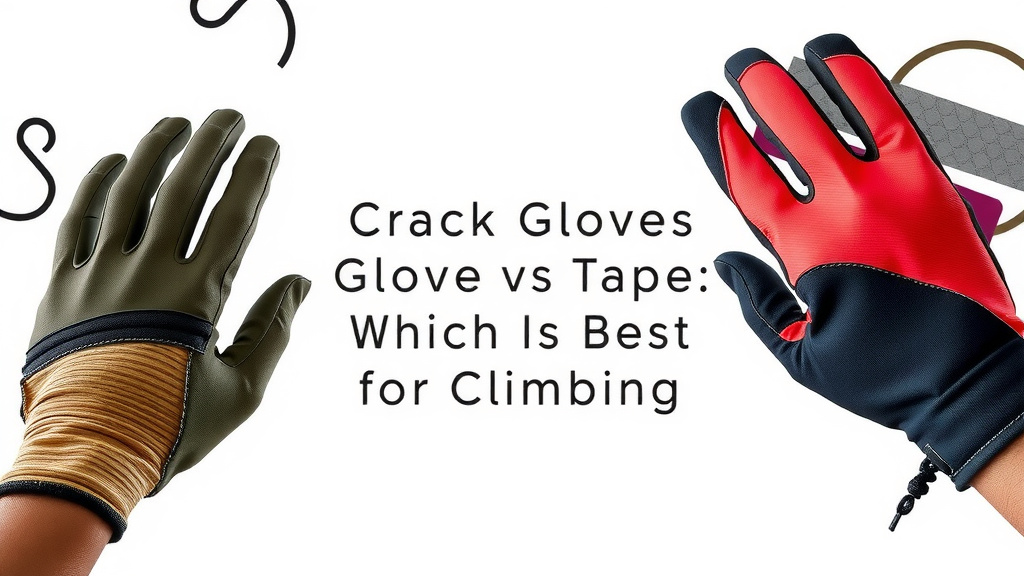
Crack Gloves vs Tape: Which Is Best for Climbing
When choosing between crack gloves and tape for climbing, crack gloves are generally the better option for most situations. They offer superior protection and comfort for your hands during prolonged crack climbing. While tape is a classic choice, it can sometimes chafe and doesn’t provide the same level of impact absorption.
Many climbers ask about the best way to protect their hands in tight spots. We’ve found that the choice often comes down to personal preference and the specific type of climbing. Both crack gloves and tape serve the purpose of reducing skin abrasion. However, their effectiveness and feel can vary widely depending on the rock and your technique.
- Crack gloves offer better protection and comfort.
- Tape is a traditional option but can wear out.
- Both aim to protect your skin from friction.
- Consider the type of crack and your hand comfort.
Let’s break down the pros and cons of each, so you can decide which hand armor is right for your next climbing adventure.
“`htmlChoosing Your Hand Protection: Gloves or Tape?
When you’re facing a long splitter or a rough patch of granite, your hands are your lifeline. But what’s the best way to keep them protected? We’ve looked into the common choices: crack gloves and athletic tape. Both aim to prevent ripped skin. But they do it in different ways and offer different benefits.
Understanding Crack Gloves
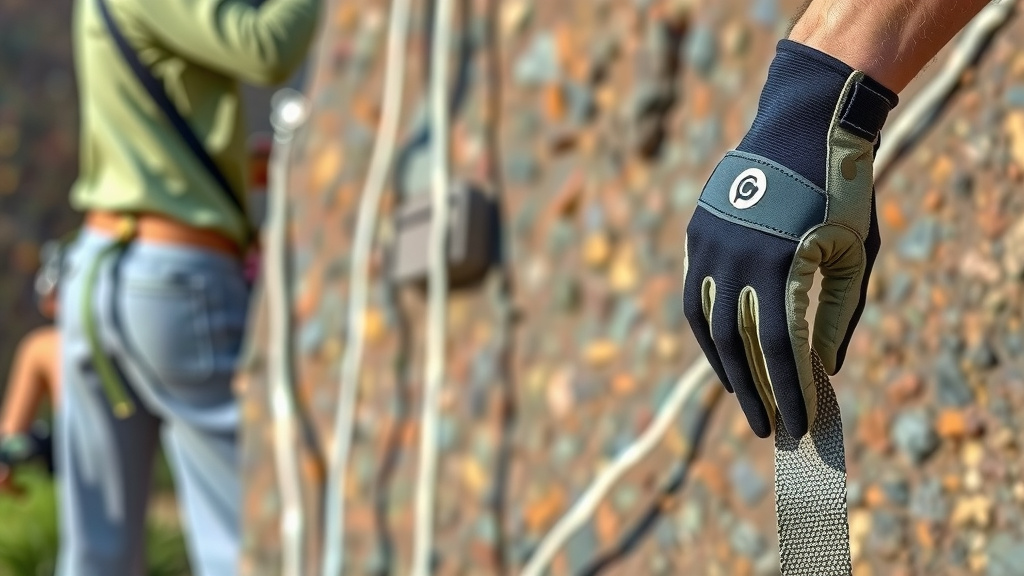
Crack gloves are essentially gloves designed specifically for climbing. Think of them as a second skin for your hands. They usually have a thin, durable fabric on the back and a sticky, rubberized palm. The idea is to give you protection without sacrificing too much feel for the rock.
How They Work
The fabric on the back of your hand shields it from scrapes and scrapes. The rubberized palm helps with grip on the outside of the crack. They fit snugly, much like a glove. This snug fit is important for them to work best. They stay in place as you move and jam your hands.
Pros of Crack Gloves
- Durable Protection: They offer excellent protection against abrasion. This is especially true for longer routes or rougher rock.
- Comfort: Many climbers find them more comfortable for extended use. They can reduce fatigue and hot spots.
- Consistent Grip: The rubberized palm provides a reliable grip. This can be a big help on the outside of jams.
- Easy On/Off: Compared to taping, they are quick to put on and take off. This saves time at the belay station.
Cons of Crack Gloves
- Cost: They are an upfront investment. Good quality gloves can be pricey.
- Feel: Some climbers miss the direct feel of the rock. The extra layer can slightly dampen your connection.
- Fit: Finding the perfect fit can take time. A poor fit can lead to rubbing or reduced effectiveness.
- Durability Over Time: While durable, the rubber can wear down. The fabric can also get holes with heavy use.
Exploring Athletic Tape
Athletic tape is the classic climber’s choice. It’s been used for decades to protect hands. You wrap it around your fingers and hands before climbing. It creates a barrier between your skin and the rock.
How It Works
When you jam your hand into a crack, the tape takes the brunt of the friction. It helps prevent your skin from getting torn or scraped. It can also provide a bit of support for your joints. You have a lot of control over how you apply it. This lets you customize your protection.
Pros of Athletic Tape
- Cost-Effective: Tape is very cheap. You can buy a roll and it will last for many climbing days.
- Customizable: You can decide exactly where to put the tape. This lets you target specific areas that tend to get injured.
- Good Feel: When applied well, tape can offer a good connection to the rock. It’s a thinner layer than gloves.
- Widely Available: You can find athletic tape at almost any sporting goods store.
Cons of Athletic Tape
- Application Time: Taping your hands can take time. It’s not as quick as putting on gloves.
- Can Wear Out: Tape can get loose or shred during a long climb. You might need to reapply it.
- Chafing: Sometimes, the tape itself can cause chafing. This is especially true if it gets wet or bunched up.
- Waste: You use a fair amount of tape for each session. This can create more waste.
| Feature | Crack Gloves | Athletic Tape |
|---|---|---|
| Initial Cost | Higher | Lower |
| Long-Term Cost | Moderate (replacement) | Very Low |
| Protection Level | High, Consistent | Moderate to High (depends on application) |
| Feel/Sensitivity | Slightly Reduced | Good to Excellent |
| Application Time | Fast | Slow |
| Reapplication Needed? | Rarely | Potentially Mid-Climb |
| Comfort for Long Climbs | Generally Higher | Variable (can cause chafing) |
When to Use Which
So, when should you reach for gloves and when is tape the better choice? It often depends on the situation and your personal preference. Let’s break it down.
When Crack Gloves Shine
If you know you’ll be spending a lot of time in hand cracks, or if the rock is particularly abrasive, gloves are usually the way to go. Many climbers find them essential for multi-pitch climbs where hand fatigue can set in. They’re great for longer days where you want to focus on climbing, not on re-taping.
When Tape Might Be Better
Tape can be a lifesaver for short, sharp crack sections. If you’re just doing a few jams, tape is quick and easy. It’s also a good option if you’re on a budget. Some climbers prefer the feel of tape for delicate jamming moves. If you have specific spots that always get torn up, tape lets you protect them precisely.
Hybrid Approaches
Don’t feel like you have to pick just one! Many climbers use a combination. You might wear gloves for most of the climb but carry tape for emergencies or for specific crack sizes. Some people even tape over their gloves for extra protection on really rough routes. Experiment to see what works best for you.
Making Your Decision: A Quick Checklist
To help you decide, think about these points:
- How long will your climbing session be?
- How abrasive is the rock you’ll be climbing on?
- What is your budget for climbing gear?
- Do you prioritize maximum protection or maximum rock feel?
- How much time are you willing to spend preparing your hands?
- Do you have any specific hand injuries or sensitivities to consider?
Conclusion
Choosing between crack gloves and tape ultimately comes down to your personal climbing style and the specific demands of the rock. While gloves offer superior, consistent protection and comfort for long crack-focused days, tape provides a customizable, budget-friendly option for shorter bursts or targeted protection. We’ve found that many climbers benefit from experimenting with both, and even combining them, to find their ideal hand defense system. Don’t be afraid to try different methods on your next climb to see what feels best for you and keeps your hands happy on the wall.
Frequently Asked Questions
How do I know if I need crack gloves or tape?
Consider the length and style of your climb. For long multi-pitch crack routes with abrasive rock, crack gloves are generally recommended for sustained protection and comfort. For short, sharp crack sections or when you need precise protection on specific spots, tape might be sufficient and quicker to apply.
Can tape chafe my skin even though it’s supposed to protect it?
Yes, tape can sometimes cause chafing, especially if it gets wet, bunched up, or if you have a reaction to the adhesive. If you experience chafing with tape, you might find gloves offer a more consistent, skin-friendly barrier.
How long does athletic tape last on my hands while climbing?
The lifespan of athletic tape varies greatly depending on the rock’s roughness and your technique. On abrasive rock or during vigorous jamming, tape can start to wear thin or even shred within a single pitch. You might find yourself needing to reapply it mid-climb on longer routes.
Are crack gloves worth the investment if I’m a beginner climber?
If you plan on doing a lot of crack climbing, even as a beginner, crack gloves can be a worthwhile investment. They protect your skin and help build confidence by reducing the pain associated with hand jams, allowing you to focus more on technique.
Can I use both crack gloves and tape together?
Absolutely! Many experienced climbers use a hybrid approach. You might wear crack gloves for general protection and then add tape to specific areas that need extra reinforcement or to secure the gloves themselves on particularly challenging routes. Experimenting with this combination can offer the best of both worlds.