CrossFit Gloves vs Grips: Which Is Best for Your Workout
When choosing between CrossFit gloves vs grips, grips generally offer superior hand protection and support for lifting. While gloves can feel bulky, grips provide a thinner, more secure feel directly on your palm. This distinction is key for maximizing performance and preventing calluses during intense WODs.
We found that many CrossFitters prefer grips because they maintain better bar feel and prevent slipping during dynamic movements. Gloves can sometimes hinder wrist mobility or feel unnatural on pull-up bars. For exercises like cleans, snatches, or high-rep pull-ups, the right hand protection makes a huge difference in comfort and grip strength.
- Grips offer better palm protection and a secure feel.
- Gloves can feel bulky and may hinder bar feel.
- Grips are often preferred for Olympic lifts and pull-ups.
- Both aim to prevent calluses and improve grip.
Let’s dive into the specifics of CrossFit gloves versus grips to help you find the perfect fit for your training.
You’re hitting those WODs hard, pushing your limits, and building serious strength. But are your hands keeping up? That burning sensation, those rough calluses, or a slippery grip can really throw a wrench in your performance. We know the struggle! Choosing the right hand protection is a big deal in CrossFit. It’s not just about comfort; it’s about safety and maximizing every rep. So, let’s get down to brass tacks: CrossFit gloves versus grips. Which one is your best bet for crushing those lifts and conquering those pull-ups?
Choosing the Right Hand Protection for Your Lifts
When you’re deciding between CrossFit gloves and grips, it really comes down to what you need most from your handwear. Both aim to help you, but they do it in different ways. We’ve seen many athletes swear by one over the other. Understanding their core functions is your first step to making the right choice for your training.
What Exactly Are CrossFit Grips?
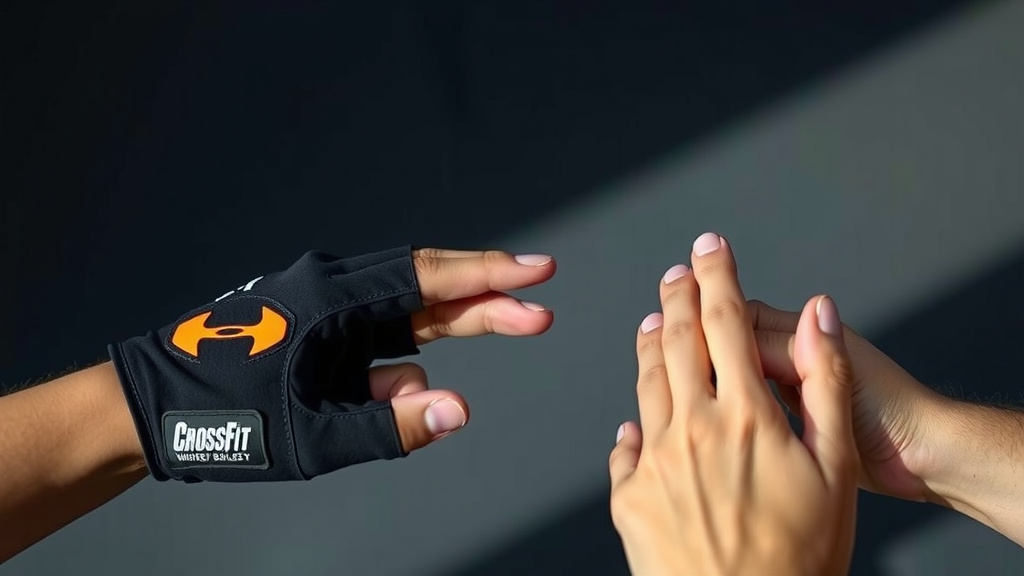
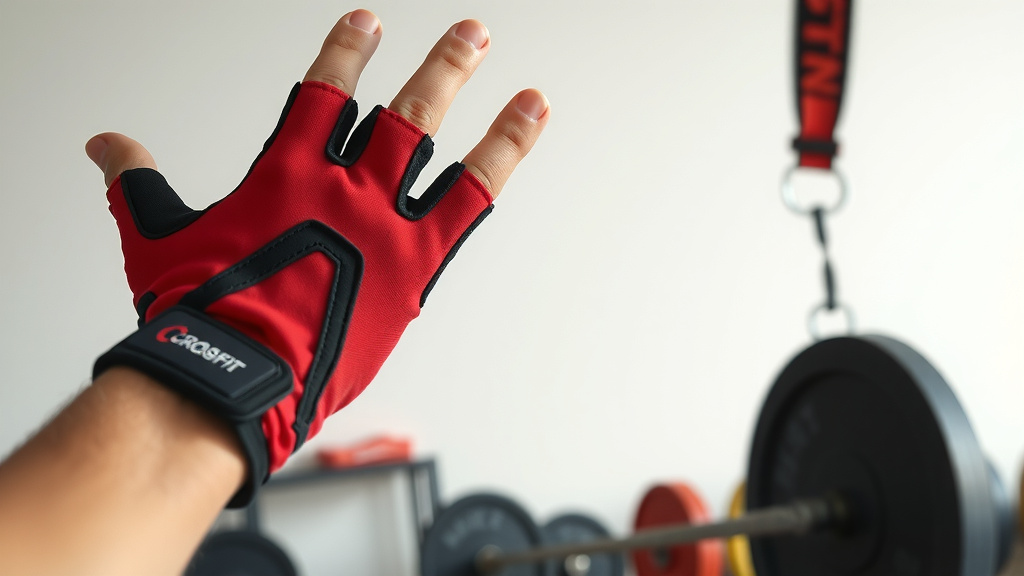
Think of grips as a shield for your palms. They’re typically made of leather or a synthetic material. These are designed to sit directly on your skin, covering the part of your palm that makes contact with the barbell or pull-up bar. Grips usually come with a strap that wraps around your wrist for a secure fit. Their main job is to provide a protective barrier against friction and tearing. This can prevent painful blisters and calluses from forming during high-rep exercises.
The Feel of Grips
One of the biggest advantages of grips is how they maintain your connection with the bar. Because they’re thin and sit right on your palm, you get a very direct feel. This is super important for Olympic lifts like the snatch and clean & jerk, where precise bar placement is key. You can really feel the knurling of the bar, which helps you maintain a solid grip. Many find this natural feel allows for better control and less slipping during dynamic movements.
When Grips Shine
We’ve found that grips are especially favored for exercises involving a lot of bar contact and chalk. This includes:
- Pull-ups and Chin-ups: Grips protect your palms from the rough bar and help prevent tearing, especially during high-rep sets.
- Bar Muscle-Ups: The transition over the bar can be tough on your hands. Grips offer that much-needed protection.
- Olympic Lifts (Snatch, Clean & Jerk): The direct bar feel is essential for technique and power.
- Kettlebell Swings: They can offer some protection against the kettlebell handle’s friction.
- WODs with heavy barbell work: Any workout involving numerous deadlifts or cleans can benefit.
Understanding CrossFit Gloves
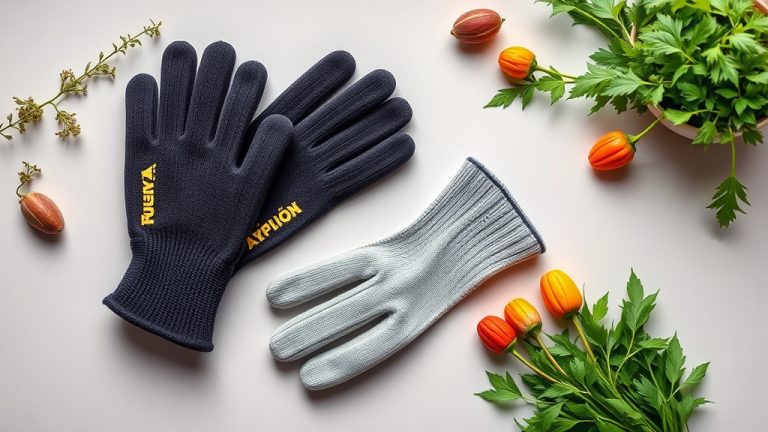
CrossFit gloves are a bit different. They’re more like traditional workout gloves, covering your entire hand, or at least the palm and fingers. They often have padding in key areas to provide cushioning and support. While some gloves are designed for general weightlifting, CrossFit-specific gloves aim to offer a balance of grip, protection, and dexterity for varied WODs. Many gloves also incorporate wrist support straps.
The Glove Experience
With gloves, you get a more comprehensive layer of protection. The padding can feel nice on your palms, especially if you’re prone to discomfort or have existing hand issues. However, this extra layer can sometimes make them feel bulkier than grips. This bulk might affect your bar feel, making it harder to get that intimate connection with the barbell that’s so critical for certain lifts. Some athletes also find that gloves can limit their wrist mobility, which is a bummer for movements that require a flexible wrist.
Where Gloves Might Be a Good Fit
While many CrossFitters lean towards grips, gloves can still have their place. They might be a better choice if:
- You experience significant hand pain or discomfort from calluses or thin skin.
- You need extra wrist support during your lifts.
- You’re performing exercises where finger dexterity isn’t paramount and you want overall hand cushioning.
- You prefer a more enclosed feel for your hands during various movements.
| Feature | CrossFit Grips | CrossFit Gloves |
|---|---|---|
| Primary Function | Palm protection, friction reduction, secure bar grip | Overall hand cushioning, grip enhancement, calluses prevention |
| Bar Feel | Excellent; direct connection to the bar | Can be reduced due to padding and extra layers |
| Bulkiness | Minimal; sits directly on palm | Can be noticeable; covers more of the hand |
| Mobility | Excellent wrist and finger mobility | May slightly restrict wrist or finger movement |
| Best For | Olympic lifts, pull-ups, muscle-ups, high-rep bar work | General conditioning, workouts with varied equipment, hand pain sufferers |
| Callus Prevention | Very effective for palms | Effective for palms and fingers |
Making Your Final Decision
So, you’ve weighed the options. Now what? Think about your personal training style and your biggest hand concerns. Do you crave that direct bar feedback for your heavy lifts, or are you looking for all-around cushioning and protection? Many experts suggest trying out both if you’re unsure. What feels best for one athlete might not be ideal for another. Your training goals and comfort are the ultimate guides here.
Consider Your Most Frequent Movements
When we look at how athletes train, certain movements demand specific types of hand protection. If your WODs heavily feature Olympic lifting or gymnastics, you’ll likely find grips more beneficial. The enhanced bar feel is a game-changer for technique and power output. On the flip side, if your workouts involve a wider array of equipment and less emphasis on precise bar manipulation, gloves might offer a more general solution.
The Role of Calluses and Blisters
Let’s be honest, calluses are a badge of honor for some, but painful blisters are nobody’s friend. Both grips and gloves aim to mitigate this. Grips create a barrier on the primary friction points of your palm. Gloves provide a more generalized buffer. If you’re constantly battling hand tears, investing in some form of hand protection is a smart move. The American Academy of Dermatology notes that consistent friction is the primary cause of calluses and blisters (American Academy of Dermatology).
A Quick Checklist for Your Choice:
To help you decide, ask yourself these questions:
- Do I prioritize direct bar feel for lifts like snatches and cleans?
- Am I looking for maximum protection against tearing during high-rep pull-ups?
- Do I experience significant hand pain or have very sensitive skin?
- Do I need extra wrist support, or is my wrist mobility crucial?
- Am I performing a wide variety of movements, or do I have a few key lifts I focus on?
- Is comfort during long WODs my top priority?
Ultimately, the “best” choice is the one that helps you train safely and effectively. Don’t be afraid to experiment to find what truly works for your hands and your performance goals.
Conclusion
Deciding between CrossFit gloves and grips comes down to your training priorities. Grips offer superior bar feel and direct palm protection, making them excellent for Olympic lifts and high-rep pull-ups. Gloves provide a more cushioned, all-around hand coverage, which can be beneficial if you experience more widespread hand discomfort or need added wrist support. We’ve seen that the best choice for you depends on what movements you do most and what your hands need to perform at their best. Don’t be afraid to try both to see which feels right for your hands and your goals!
Frequently Asked Questions
Can I wear both CrossFit grips and gloves at the same time?
Generally, you would choose one or the other. Wearing both can create too much bulk and significantly hinder your bar feel and mobility. The purpose of each is to provide a direct barrier or cushioning, and layering them often defeats that purpose.
How do I know if I need grips or gloves for calluses?
If your calluses primarily form on your palms from bar contact, grips are usually more effective. If you get calluses or blisters across your whole hand, including fingers, gloves might offer more comprehensive protection.
Are CrossFit grips good for weightlifting belts?
CrossFit grips are designed for bar work and gymnastics movements. They don’t typically interfere with or enhance the use of a weightlifting belt. Your belt is for core support, and grips are for hand protection.
Will grips make my hands weaker over time?
No, using grips shouldn’t make your hands weaker. They protect your skin from tears and blisters, allowing you to train consistently without painful interruptions. This consistent training builds strength, not the protection itself.
Can CrossFit gloves help with sweaty hands during workouts?
Some CrossFit gloves are designed with materials that help wick away moisture. However, many traditional grips and gloves can still get slippery with sweat. Using chalk in conjunction with your chosen hand protection is often the best way to combat sweaty palms.