Crack Climbing Gloves vs Tape: Which Protects Your Hands Best
When it comes to protecting your hands while crack climbing, both climbing gloves and tape offer excellent protection. Gloves provide more consistent coverage and can offer a better grip on certain rock types. Tape, on the other hand, is highly customizable and can be applied exactly where you need it most for specific crack sizes and shapes. Your best choice often depends on the rock, the crack size, and your personal preference.
Many climbers find that the decision between gloves and tape comes down to the type of rock and the size of the crack they’re climbing. For wide, rough cracks, gloves might offer more comfort. For thinner, more technical cracks, tape allows for a more precise fit. Both methods aim to prevent skin tears and abrasions, keeping you on the wall longer. We found that consistency is key, no matter which method you choose.
- Gloves offer consistent protection and grip.
- Tape provides customizable protection for specific cracks.
- Rock type and crack size often dictate the best choice.
- Both methods protect your skin from damage.
- Personal preference plays a big role.
Let’s break down the pros and cons of each to help you decide which hand protection is right for your next climb.
“`htmlCrack Climbing Hand Protection: Gloves vs. Tape
Deciding between crack climbing gloves and tape can feel like a big choice. Both protect your hands, but they do it differently. We found that the best option often depends on your climb. Let’s look at how each method stacks up.
Understanding Crack Climbing Gloves
Climbing gloves are designed to shield your hands. They cover the back of your hand and fingers. This helps prevent scrapes and tears on rough rock. Many gloves use durable materials like leather. Some have added padding for extra comfort.
Pros of Using Gloves
Gloves offer consistent protection. Once they’re on, your hands are covered. This means less worry about small scrapes. They can also provide a better grip on certain rock types. This is especially true for smooth or polished rock. For wide cracks, gloves can feel like a second skin. They reduce the direct impact on your knuckles and palms. We found that many climbers appreciate this simplicity.
Cons of Using Gloves
One downside is that gloves can feel bulky. This might make delicate footwork or fine finger movements harder. For very thin cracks, gloves might not fit well at all. You can’t customize their fit to a specific crack shape. Also, if they get wet, they can become slippery. This can be a real issue when you need maximum friction.
Exploring the World of Climbing Tape
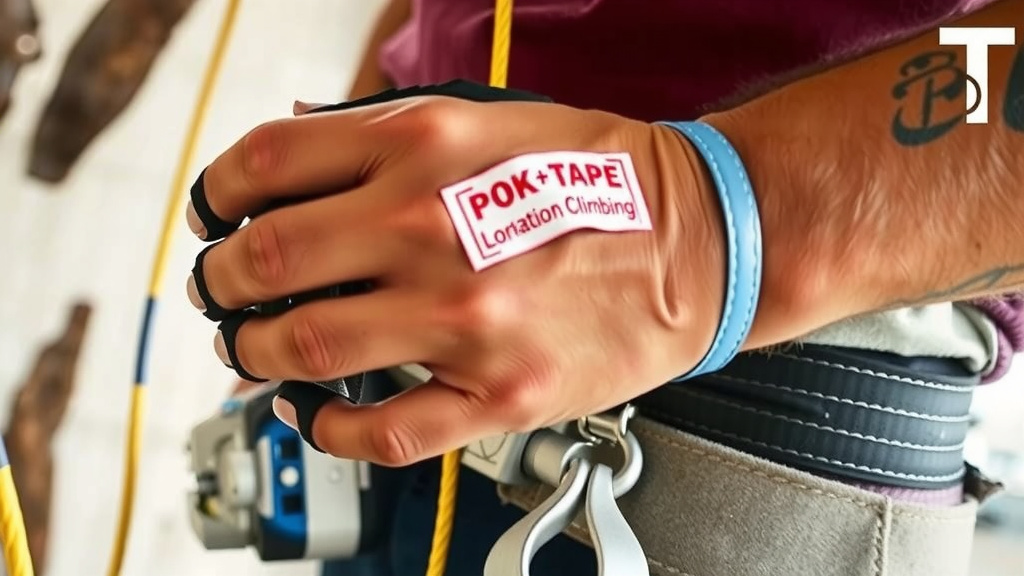
Climbing tape is a different approach. It’s a strong, adhesive tape that you wrap around your hands. You can apply it exactly where you need it most. This allows for a very customizable fit. Many climbers swear by it for specific types of cracks.
Pros of Using Tape
The biggest advantage of tape is its versatility. You can tailor it to the exact size and shape of the crack. This is perfect for thinner or awkward cracks where gloves won’t work. Tape provides a secure feel. It can help you jam your hands more confidently. Many climbers find they have better finger sensitivity with tape than with gloves. You can also layer it for extra protection where needed. We found that tape can feel more like an extension of your skin.
Cons of Using Tape
Applying tape properly takes practice. A poorly taped hand can unravel or create hot spots. This can actually lead to blisters. It’s also a time-consuming process. You need to reapply tape often, especially on longer climbs. Some people find that tape residue can be annoying. It sticks to your skin and can be hard to remove. You might also find that tape doesn’t offer as much padding as some gloves.
When to Choose Which?
The type of rock and crack size are key factors. For wide, rough granite cracks, gloves might offer more comfort and durability. The rock’s texture can really chew up skin. For thin, sharp sandstone cracks, tape allows for a precise fit. This protects your skin without adding too much bulk. Many climbers use both depending on the situation.
| Feature | Climbing Gloves | Climbing Tape |
|---|---|---|
| Protection Level | Consistent, broad coverage | Customizable, targeted protection |
| Grip | Can enhance grip on certain rocks | Relies on tape’s tackiness |
| Fit | Pre-formed, may feel bulky | Highly customizable, precise |
| Ease of Use | Quick to put on | Takes time to apply properly |
| Durability | Varies by glove quality | Can wear out quickly, needs reapplication |
| Best For | Wide cracks, rough rock, ease of use | Thin cracks, specific jams, customization |
Tips for Better Hand Protection
No matter which method you choose, proper application is vital. For gloves, ensure they fit snugly. They shouldn’t pinch or slide around. For tape, watch some tutorials. Learn the best techniques for wrapping your hands. We found that good taping patterns distribute pressure evenly. This reduces the risk of injury. Always check your hands after a climb. Look for any signs of excessive wear or irritation.
Making Your Final Decision
Ultimately, your personal preference plays a huge role. Some climbers just feel more comfortable with the sensation of tape. Others prefer the all-over protection of gloves. Experiment with both! Try climbing a route with gloves, then the same route with tape. See which one feels better for you. Your hands will thank you for finding the right solution.
Your Hand Protection Checklist
- Assess the rock type and crack size.
- Consider how much time you have for prep.
- Try both gloves and tape to compare.
- Learn proper taping techniques if you choose tape.
- Ensure gloves fit snugly and don’t slip.
- Always inspect your hands after climbing.
Conclusion
You’ve learned that both crack climbing gloves and tape are great for protecting your hands. Gloves offer consistent coverage, while tape gives you custom fit for specific cracks. Your choice really comes down to the rock type, crack size, and what feels best for you. We found that experimenting with both is the best way to discover your personal preference. Don’t be afraid to try a route with gloves, then the same one with tape. Listen to your hands and choose the protection that keeps you climbing comfortably and confidently.
Frequently Asked Questions
How do I know if I need gloves or tape for a specific crack?
Generally, rough and wide cracks might benefit more from gloves due to their consistent padding. For thin or sharp cracks where a precise fit is needed, tape usually offers better control and less bulk. Consider the rock’s texture and the crack’s dimensions.
Can I use both gloves and tape at the same time?
Some climbers do use both, but it’s less common for a single pitch. You might tape your wrists for extra support while wearing gloves. However, for most situations, you’ll likely find one method works best for your hands and the climbing you’re doing.
How long does climbing tape usually last on my hands?
Climbing tape can wear out quickly, especially on abrasive rock. You might need to reapply it every 30-60 minutes of climbing, or even more frequently if it gets wet or starts to peel. Expect to carry extra tape for longer sessions.
What if I’m new to crack climbing, which should I try first?
If you’re just starting, we suggest trying tape first. It’s a more universal tool that teaches you to protect specific areas. Once you’re comfortable with taping, you can then try gloves to see if they offer more comfort for certain types of climbing.
Will tape make my hands feel too thick for small jams?
Properly applied tape shouldn’t make your hands feel too thick. The key is learning good taping techniques that create a smooth, protective layer without adding excessive bulk. This allows you to maintain good finger sensitivity and fit into smaller jams.