Cowhide vs Deerskin Gloves: Which Is Right For You
When choosing between cowhide and deerskin gloves, deerskin generally offers superior softness and flexibility, making it ideal for tasks requiring delicate touch. Cowhide, on the other hand, is known for its durability and abrasion resistance, providing better protection for heavy-duty work.
Think of it like this: deerskin is your go-to for comfort and dexterity, like when you’re gardening or handling fine tools. Cowhide is your tough workhorse, perfect for construction or rugged outdoor activities where your hands need serious protection. Both have their place, depending on what you need them to do.
- Deerskin gloves: Super soft, flexible, great for detailed work.
- Cowhide gloves: Tough, durable, excellent for protection.
- Consider your primary use case.
- Softness vs. ruggedness is the main difference.
So, which one is right for your hands? Let’s break down the pros and cons of each so you can make the best choice.
You’ve seen the intro, and now it’s time to dive deeper. We’ll help you understand the core differences between cowhide and deerskin gloves. This will make choosing the right pair for your needs much easier. Let’s get started!
Comparing Cowhide vs. Deerskin: What’s the Difference?
When you’re looking for hand protection, the material makes a big difference. The two most popular choices are cowhide and deerskin. Each offers unique benefits. Think about what you’ll be doing while wearing them. This is the key to picking the best glove for you.
Cowhide Gloves: The Workhorse
Cowhide is a very common choice for gloves. This is due to its **strong and durable nature**. It comes from cattle, which are abundant. This makes cowhide a **cost-effective option** for many types of gloves. You’ll find cowhide in gloves used for all sorts of jobs. Its toughness is its biggest selling point. It can handle rough surfaces and regular wear and tear. This makes it a reliable friend for your hands when doing tough tasks.
Durability and Protection
Cowhide is known for its excellent **abrasion resistance**. This means it can withstand rubbing and scraping without tearing easily. If your work involves handling rough materials, like concrete, lumber, or metal, cowhide is a great choice. It offers a good level of protection against cuts and punctures. You can trust cowhide to shield your hands from many common workplace hazards. It’s a **tough material** that can take a beating.
Flexibility and Feel
While cowhide is tough, it’s not always the softest option. Newer cowhide gloves can feel a bit stiff at first. However, they tend to **break in nicely over time**. As you wear them, they will mold to your hands. This makes them more comfortable for extended use. Some types of cowhide are treated to become softer. This can improve the feel without sacrificing too much durability. You get a good balance of protection and comfort.
Water Resistance
Cowhide has some natural water resistance. It doesn’t soak up water as quickly as some other materials. However, it’s not completely waterproof. If it gets very wet, it can become stiff once it dries. Many cowhide work gloves are treated with oils or finishes. These treatments can enhance their water repellency. This helps keep your hands drier in damp conditions. It also helps maintain the glove’s flexibility.
Deerskin Gloves: The Soft Touch
Deerskin offers a very different experience. Its main appeal is its incredible **softness and suppleness**. You can often feel the difference the moment you slip them on. This makes deerskin gloves a favorite for tasks that require a delicate touch. They feel luxurious and comfortable against your skin. If you value comfort and dexterity, deerskin might be your perfect match. It’s like a second skin for your hands.
Exceptional Softness and Flexibility
The standout feature of deerskin is its **unmatched softness**. This is because deerskin fibers are very fine and loosely packed. This structure allows the leather to be incredibly flexible. It moves with your hand, not against it. You can bend your fingers and grip objects with ease. This makes deerskin ideal for jobs where you need **high dexterity**. Think about tasks like handling small parts or fine tools. The flexibility prevents the glove from feeling bulky.
Comfort and Breathability
Beyond just softness, deerskin is also quite breathable. This helps keep your hands cool and dry. It reduces the chance of your hands getting sweaty, even during long periods of wear. The natural oils in deerskin also contribute to its comfort. It has a **pleasant feel** that doesn’t irritate the skin. This is important if you need to wear gloves for extended shifts. You’ll feel less fatigue and more comfort throughout your day.
Durability Compared to Cowhide
Now, let’s talk about durability. Deerskin is soft, but is it as tough as cowhide? Generally, no. While deerskin is surprisingly strong for its softness, it’s not as resistant to abrasions or heavy wear. If you plan to use your gloves for very rough work, deerskin might wear out faster than cowhide. However, for tasks involving moderate wear, deerskin holds up well. It’s a trade-off between ultimate toughness and superior comfort.
Water Resistance and Care
Deerskin is not naturally very water-resistant. It can absorb moisture readily. If deerskin gets wet, it can become stiff and less flexible. It requires more careful maintenance than cowhide. Many deerskin gloves are treated to improve water resistance. But it’s still wise to keep them away from excessive moisture. Proper care, like conditioning, can help maintain their suppleness. You’ll want to follow manufacturer instructions.
Key Differences at a Glance
To help you decide, let’s put the main points side-by-side. This comparison should make it clear which material suits your needs best.
| Feature | Cowhide Gloves | Deerskin Gloves |
|---|---|---|
| Softness | Moderate, stiffens when wet, breaks in over time. | Exceptional, very soft and supple. |
| Flexibility | Good, improves with break-in. | Excellent, high dexterity. |
| Durability | Very high, excellent abrasion resistance. | Good, but less abrasion resistant than cowhide. |
| Water Resistance | Moderate, can stiffen when dry if wet. | Low, can become stiff and lose flexibility if wet. |
| Breathability | Moderate. | High, keeps hands cooler. |
| Cost | Generally more affordable. | Often more expensive. |
| Best For | Heavy-duty work, construction, welding, general utility. | Fine motor tasks, driving, gardening, light utility, cold weather comfort. |
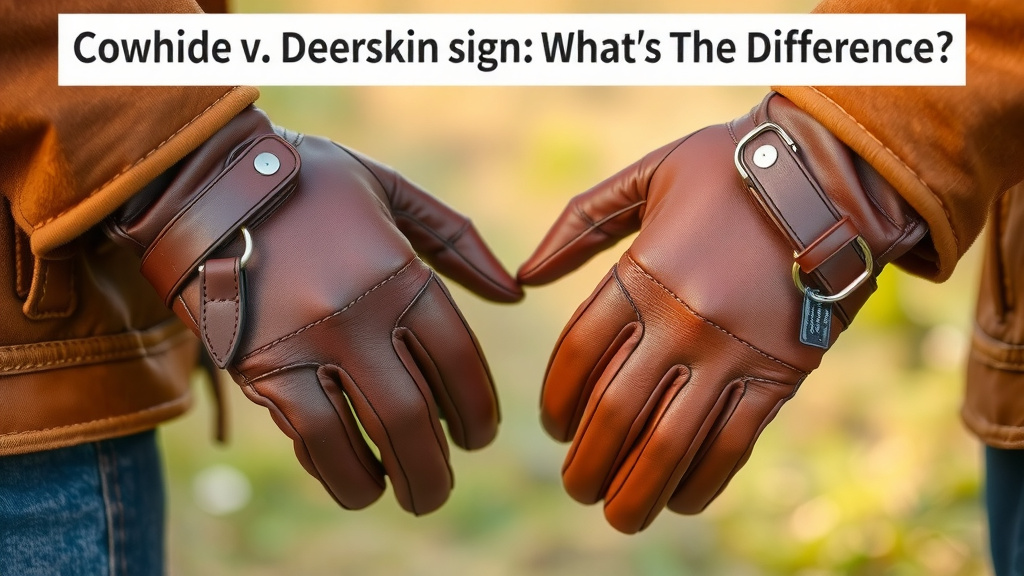
Making Your Choice: What’s Your Primary Need?
So, you’ve seen the details. Now, how do you pick? It really comes down to what you’ll be doing most. Ask yourself these questions to guide your decision.
- Are your hands exposed to rough surfaces regularly?
- Do you need to perform tasks requiring a lot of finger dexterity?
- Is comfort and softness a top priority for you?
- Will your gloves get wet frequently?
- What is your budget for a new pair of gloves?
Answering these will point you in the right direction. If you chose cowhide, you’re likely looking for a glove that will last through tough jobs. You need something that can take a beating and keep protecting you. If deerskin called to you, you’re probably prioritizing comfort and a sensitive feel for delicate work. You want gloves that feel great and allow for precise movements. There’s no wrong answer, only the right glove for your specific needs.
Checklist for Choosing Your Gloves
To make it even simpler, here’s a quick rundown:
- If you need maximum toughness: Go for cowhide.
- If you need maximum softness: Choose deerskin.
- For delicate tasks: Deerskin usually wins.
- For heavy-duty protection: Cowhide is the champ.
- For budget-friendliness: Cowhide is often more affordable.
- For breathability and comfort: Deerskin has an edge.
Both materials have their place in the world of gloves. Understanding their core strengths will help you make a confident choice. Your hands will thank you for it!
Conclusion
So, you’ve learned that the choice between cowhide and deerskin gloves boils down to your priorities. If your work demands serious protection and durability against rough conditions, cowhide is your reliable ally. It’s tough, abrasion-resistant, and cost-effective for heavy-duty tasks. On the flip side, if you value superior comfort, flexibility, and a sensitive touch for detailed work, deerskin is the clear winner. It offers unmatched softness and dexterity, feeling like a natural extension of your hands. Think about your daily tasks and pick the glove that best supports them. Your hands will thank you for making an informed choice!
Frequently Asked Questions
Can I use deerskin gloves for really rough work?
While deerskin is strong for its softness, it’s generally not recommended for the most demanding, abrasive tasks. Cowhide offers better resistance to cuts, scrapes, and heavy wear. If your work regularly involves rough materials, cowhide is a more durable option.
How do I care for my cowhide gloves if they get wet?
If your cowhide gloves get wet, let them air dry naturally away from direct heat. Once dry, you can apply a leather conditioner to restore suppleness and protect the material. Avoid machine drying as it can make the leather stiff and brittle.
Are deerskin gloves good for cold weather?
Yes, deerskin gloves can be excellent for cold weather. Their natural softness and breathability make them very comfortable. They trap heat well without making your hands feel clammy, offering a cozy feel in cooler temperatures.
How long does it typically take for cowhide gloves to break in?
The break-in period for cowhide gloves can vary. Usually, you’ll notice them becoming more comfortable and molding to your hands after a few hours of wear or a few days. Consistent use will speed up this process, making them feel much better.
Can I wear deerskin gloves for everyday driving?
Deerskin gloves are often a fantastic choice for driving. Their exceptional flexibility and soft feel allow for a precise grip on the steering wheel. They provide comfort without sacrificing your ability to feel the wheel, making them ideal for long drives.