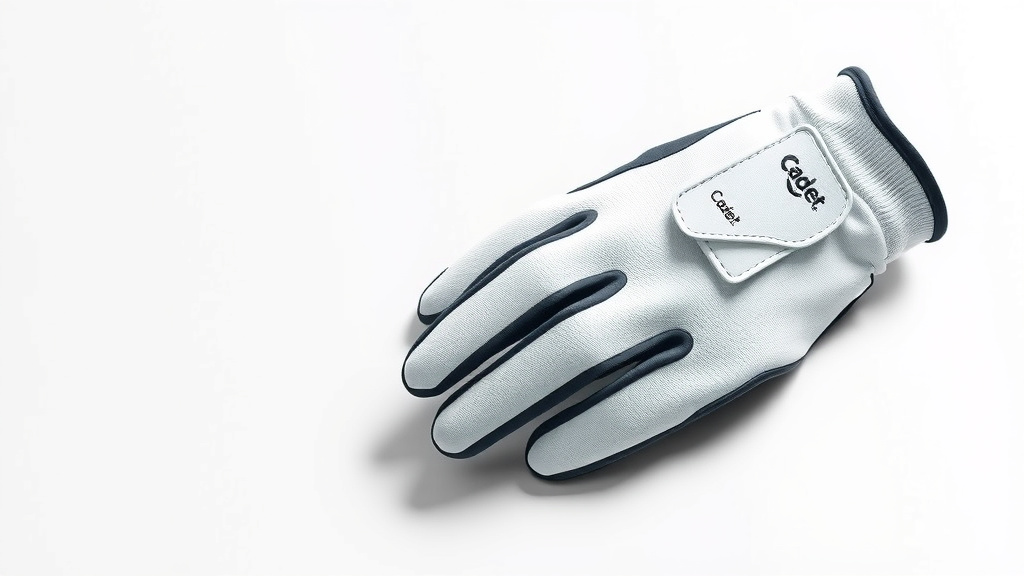
Cadet Small vs Small Golf Glove: What’s the Difference
When choosing between a cadet and a small golf glove, remember that cadet gloves are generally designed for golfers with shorter fingers and a wider palm. A standard small golf glove is typically for players with narrower hands and longer fingers. So, the best choice depends on your specific hand shape, not just the size number.
Understanding your hand measurements is key to finding a glove that feels like a second skin. A glove that fits well can really help your grip, especially when the weather turns damp. We found that many golfers overlook this detail, leading to frustration and inconsistent swings. It’s all about comfort and control on the course.
- Cadet gloves fit shorter fingers and wider palms.
- Small gloves fit longer fingers and narrower palms.
- Proper fit enhances your golf grip.
- Hand measurements are essential for the best glove.
- A comfortable glove leads to better control.
Let’s break down the differences between cadet and small golf gloves so you can make the perfect pick for your game.
Understanding Golf Glove Sizing: Cadet vs. Standard Small
Choosing the right golf glove can feel like a puzzle. You’ve seen the terms “cadet” and “small,” but what do they really mean for your grip and game? We’ve found that many golfers get stuck here. They know they need a size small, but the cadet option throws them off. Let’s clear this up. A cadet glove is designed differently than a standard small golf glove.
What Makes a Cadet Golf Glove Different?
The key difference lies in the finger and palm proportions. Cadet gloves are built for golfers whose hands are wider across the palm but have shorter fingers relative to that palm width. Think of it like this: if your hand is a bit more “square” shaped, a cadet fit might be your sweet spot. We found that this design helps eliminate extra material bunching up in the fingertips.
The Finger-to-Palm Ratio Explained
Standard sizing often assumes a more uniform hand shape. A standard small glove typically fits hands with longer, slimmer fingers and a narrower palm. If your fingers seem to be the dominant feature of your hand length, a regular small might be too long in the fingers. The cadet sizing corrects this. It offers a more tailored fit for those with a broader hand base and proportionally shorter digits. This can lead to a smoother feel and better contact with the club.
When to Opt for a Standard Small Glove
If your hands are narrower and your fingers are on the longer side, you’ll likely find a better fit with a standard small glove. This is the more common sizing for many golf glove brands. We’ve seen that when the fingers of a glove are too long, they can fold or create a gap. This gap can disrupt your ability to get a truly firm and consistent grip on the club. A well-fitting standard small glove ensures the fingertips reach the end of the club’s grip without excess material.
Checking Your Hand Measurements
To really nail the fit, grab a tape measure. First, measure the circumference of your palm just below your knuckles. Then, measure from the tip of your middle finger down to the base of your palm. Most glove manufacturers provide charts that correlate these measurements to their specific sizing. It’s always a good idea to consult these charts. We found that some brands’ “small” might be another’s “medium,” so checking is essential.
| Glove Type | Best For Hand Shape | Finger Length | Palm Width |
|---|---|---|---|
| Cadet Small | Wider palm, shorter fingers | Shorter relative to palm | Wider relative to finger length |
| Standard Small | Narrower palm, longer fingers | Longer relative to palm | Narrower relative to finger length |
Why Glove Fit Matters So Much
You might be thinking, “It’s just a glove, right?” But we’ve learned that a properly fitting glove is more than just comfort. It directly impacts your ability to control the golf club. When a glove is too big, your hand can slip inside it, especially when you sweat. This leads to a weaker grip and less control over your swing. Conversely, a glove that’s too tight can restrict blood flow, causing discomfort and fatigue.
The Impact on Your Swing
A glove that feels like a second skin allows for a more natural and relaxed grip. This is critical for generating clubhead speed and ensuring accuracy. When your fingers are crammed into a glove that’s too small, or when there’s too much material bunching up from a glove that’s too big, your touch on the club suffers. We found that even slight imperfections in fit can lead to subtle adjustments in your swing, which over time, can affect your consistency.
Material and Weather Considerations
Beyond just size and shape, the material of your glove plays a role. Leather gloves offer a superior feel and grip, especially in dry conditions. Synthetic materials can be more durable and perform better in wet weather. If you frequently play in damp conditions, you might want to consider gloves designed for improved wet-weather grip. Always check the glove’s construction. We found that the quality of the material and the stitching can also impact durability and feel.
Finding Your Perfect Fit: A Quick Checklist
To make sure you’re on the right track, consider these points:
- Measure your palm circumference and finger length.
- Consult the manufacturer’s sizing chart.
- Try on gloves if possible, even if it’s just to feel the fit.
- Consider your typical playing conditions (hot, humid, wet).
- Think about whether your fingers or palm are more dominant in your hand shape.
- Don’t be afraid to try both cadet and standard sizes if you’re unsure.
Ultimately, the goal is a glove that feels like an extension of your hand. One that doesn’t distract you, but rather enhances your connection to the club. We’ve seen that taking a few extra minutes to understand glove sizing can save you a lot of frustration on the course.
Conclusion
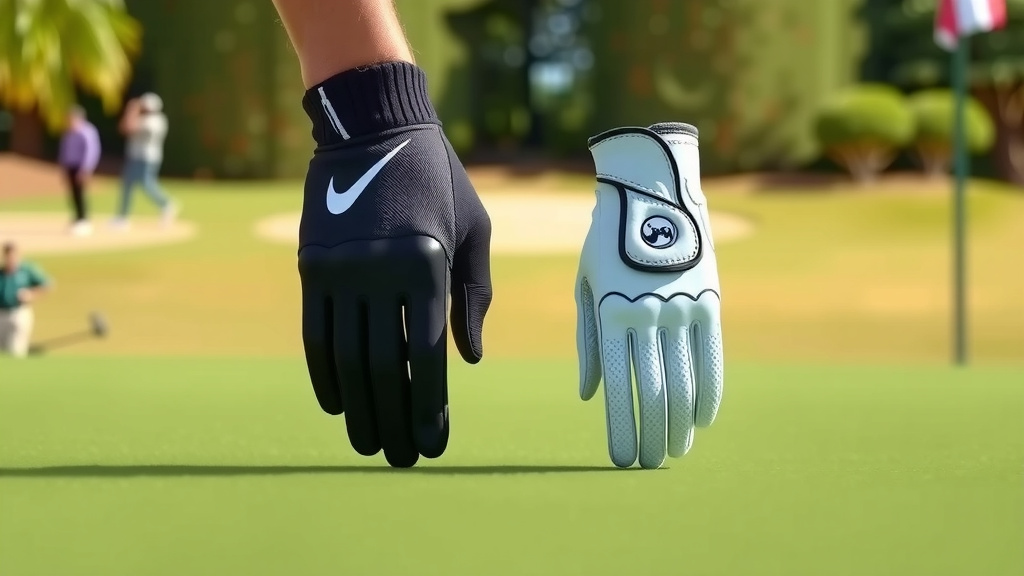
You’ve now seen that the difference between a cadet small and a standard small golf glove comes down to hand shape. Cadet gloves cater to wider palms and shorter fingers, while standard smalls suit narrower hands with longer fingers. Getting this right means a better feel, a more secure grip, and ultimately, more confidence in your swing. Don’t let a poorly fitting glove hold you back. Your next step? Grab a tape measure, check those manufacturer charts, and try on a glove that feels just right for your unique hands.
Frequently Asked Questions
Are cadet gloves always smaller than regular small gloves?
Not necessarily. A cadet glove is a different cut, not strictly a smaller size. It’s designed to fit proportionally different hands, even if the overall size label is the same. We found that the finger length and palm width proportions are the key distinction.
Can I just order the same size cadet glove as my regular glove size?
It’s best not to assume. While some brands might offer similar sizing across their lines, we recommend checking each manufacturer’s specific sizing chart. Your typical size in one brand might translate differently to a cadet cut in another.
What if my fingers are a little long for a cadet glove, but the palm fits well?
If a cadet glove’s palm fits perfectly but the fingers feel a touch long, you might be better suited for a standard small glove. The ideal scenario is that there’s no excess material bunching up at the fingertips.
Does glove material affect whether I need a cadet or standard small?
The material itself doesn’t determine if you need a cadet or standard cut. However, the fit of the glove, regardless of material, is what impacts grip and feel. Focus on the hand shape first, then consider material for performance in different conditions.
Is it better to have a slightly loose glove or a slightly tight glove?
Neither is ideal. A glove that’s too loose can slip, reducing control. A glove that’s too tight can restrict movement and cause discomfort. We’ve learned that a glove that fits like a second skin offers the best combination of feel and security.