CAD vs Regular Golf Glove: Which is Right for Your Game
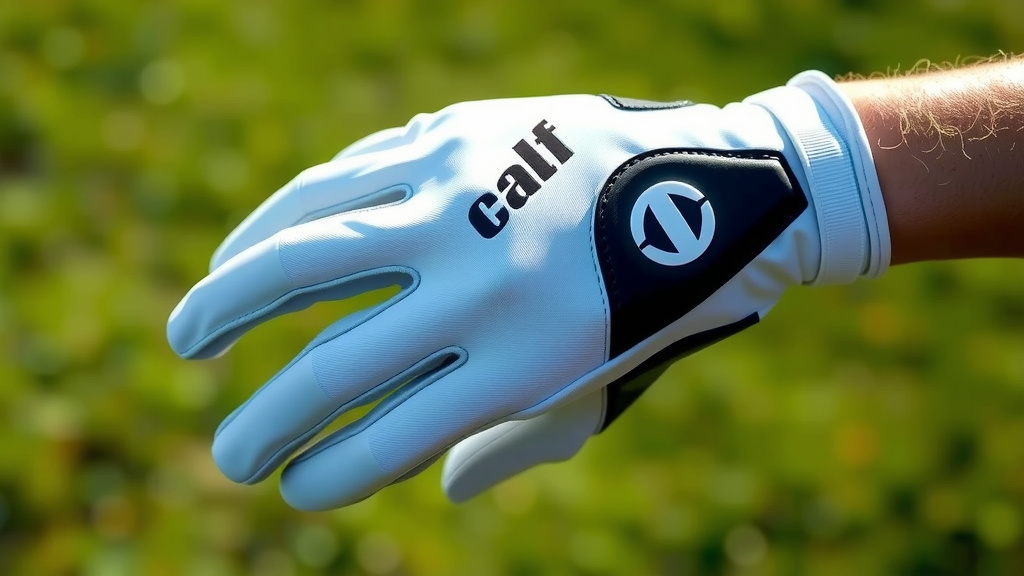
When comparing a CAD golf glove to a regular golf glove, the key difference lies in material flexibility and feel. CAD gloves often use synthetic materials designed to mimic the softness and grip of leather, offering a consistent performance in various weather conditions. Regular gloves, typically made of leather, provide a premium, natural feel that many golfers prefer for its direct connection to the club. Your choice really comes down to personal preference and what works best for your swing.
Many golfers wonder if synthetic materials can truly match the classic feel of leather. We found that modern CAD (Cold Acquired Dielectric) materials are engineered for superior grip and breathability. They are designed to be more durable and perform reliably, even when wet. Leather gloves, while offering a classic touch, can be more sensitive to moisture and wear down faster with heavy use. Both aim to improve your control and comfort during your round.
- CAD gloves use flexible synthetics for consistent grip.
- Regular gloves use leather for a natural, premium feel.
- CAD gloves tend to be more durable in wet conditions.
- Leather gloves can offer a better initial connection to the club.
- Your personal feel and swing preference is key.
Let’s walk through the pros and cons of each type of glove so you can decide which one is the best fit for your game.
Comparing Different Golf Glove Materials
When you’re choosing a golf glove, the material can make a big difference. You’re probably wondering if the new materials are as good as the old favorites. We looked into what makes a glove work well for your grip and comfort. Let’s break down the main types you’ll find on the market today.
The Rise of Synthetic Materials: CAD Gloves
You might have heard the term CAD glove. This usually refers to gloves made from synthetic materials. These aren’t just any plastics; they’re engineered to feel and perform like traditional glove materials. Researchers have found that modern synthetics can offer a consistent feel.
What Does “CAD” Really Mean?
CAD, or Cold Acquired Dielectric, is a specific type of synthetic. It’s designed to be flexible and durable. Think of it like a high-tech fabric that holds up well. It’s made to mimic the grip and feel of leather without some of its drawbacks.
Performance in All Weather
One of the biggest draws of CAD gloves is their performance in different weather. Have you ever had a leather glove get slippery when it’s humid or wet? CAD materials are often designed to resist moisture. This means your grip can stay more secure, even if it starts to rain or you’re playing on a dewy morning.
Feel and Flexibility
The way a glove feels is personal. CAD materials aim for a supple and comfortable feel. They can be made very thin, giving you a good sense of the club. Some golfers find they offer a snug fit that doesn’t stretch out too much over time. This helps maintain a consistent feel throughout your round.
The Classic Choice: Leather Golf Gloves
Leather gloves have been a staple in golf for a long time. Many golfers swear by them for a reason. They offer a premium feel that many players love. The natural material can mold to your hand over time.
The Natural Connection to the Club
When you wear a leather glove, you often get a direct feel for the club. This is because leather is a natural material that can offer excellent tactile feedback. Many golfers appreciate this connection. It helps them make subtle adjustments to their grip during the swing. We found that some golfers feel more “connected” to the club with leather.
Comfort and Breathability
Good quality leather is naturally breathable. This can help keep your hands cooler and more comfortable during a long round, especially on hot days. It also tends to soften and conform to your hand with use, creating a custom fit. Many experts agree that well-maintained leather provides excellent comfort (American Academy of Dermatology).
Considerations for Leather
Leather does have its downsides. It can be sensitive to moisture. Getting a leather glove wet from rain or sweat can change its feel and even damage the material if not dried properly. Leather gloves might also wear out faster than some synthetics with very frequent use. You need to take good care of them.
Key Differences Summarized
Let’s look at how these two types stack up against each other in a few key areas. This should help you see where each one shines.
| Feature | CAD (Synthetic) Gloves | Regular (Leather) Gloves |
|---|---|---|
| Material | Engineered synthetic fabrics | Genuine or synthetic leather |
| Feel | Consistent, often softer/smoother | Natural, premium, molds to hand |
| Durability | Generally very durable | Varies, can wear faster with heavy use |
| Weather Performance | Excellent, resists moisture | Can be affected by rain/humidity |
| Grip Consistency | High, maintains grip when wet | Excellent, but can degrade when wet |
| Maintenance | Easy to clean, quick drying | Requires careful drying, can stiffen |
Grip Strength and Reliability
Both types of gloves aim to give you a secure grip. CAD materials are often designed with specific textures to enhance grip. They tend to perform reliably even when they get damp. Leather offers a fantastic grip when dry, but it can become slicker when wet.
Longevity and Value
This is where things can get interesting. While leather can feel amazing, it might need replacing more often if you play a lot. Some research suggests that high-quality synthetic gloves can offer better long-term value due to their durability. However, a well-cared-for leather glove can last a very long time.
Making Your Final Decision
Ultimately, the best glove for you depends on your swing and your preferences. Think about how you play and what conditions you usually face.
- Do you play in all types of weather?
- Is a soft, natural feel most important to you?
- Are you looking for something easy to care for?
We found that golfers often stick with what they know, but trying a new type can be eye-opening. Don’t be afraid to experiment. Your hands will thank you for finding the glove that feels just right.
Quick Checklist for Choosing Your Glove
- Consider your typical playing weather.
- Think about the feel you prefer in your hands.
- Check the grip technology of the glove.
- Read reviews about durability and comfort.
- Try on gloves if possible before buying.
- Factor in how much maintenance you’re willing to do.
Conclusion
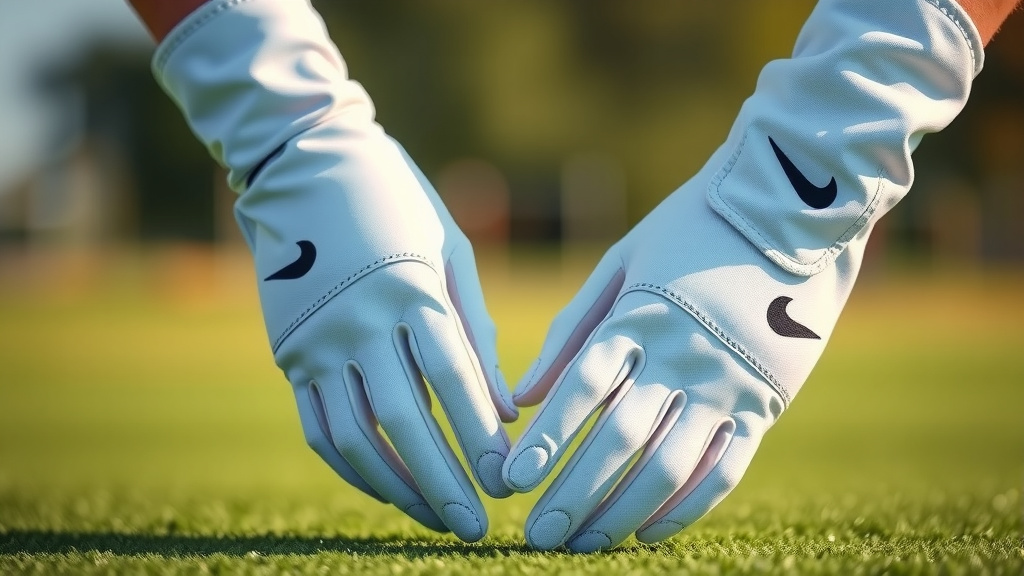
Choosing between a CAD and a regular golf glove comes down to your personal playing style and preferences. We’ve seen that CAD gloves offer impressive durability and consistent grip, especially in challenging weather. Leather gloves provide that classic, natural feel many golfers love for its direct club connection. Ultimately, the best glove is the one that feels most comfortable and secure in your hands, helping you play your best. Don’t hesitate to try both types to see which one makes a real difference in your game.
Frequently Asked Questions
Are CAD gloves really as good as leather for grip?
Yes, many modern CAD gloves are engineered for excellent grip. They often use advanced synthetic materials that maintain grip even when wet, offering a reliable feel throughout your swing.
Can a CAD glove feel natural on the club?
Absolutely. While leather offers a unique natural feel, many CAD gloves are designed to be thin and supple. This can give you a very direct sense of the club, similar to what you’d get from leather.
How do I care for a leather golf glove?
To keep your leather glove in top condition, always dry it slowly after play, away from direct heat. Avoid wringing it out. Proper drying helps maintain its shape and prevents stiffness or cracking.
Which type of glove is better for playing in the rain?
For wet conditions, CAD gloves generally perform better. Their synthetic materials are often designed to resist moisture and maintain grip when damp, unlike leather which can become slick or stiff.
How often should I replace my golf gloves?
Both types wear out with use. Leather gloves might show wear faster on high-friction areas, while CAD gloves might lose some of their synthetic grip over time. Inspect your glove regularly for thinning, rips, or a loss of grip and replace it when it no longer feels secure.