Inner Gloves vs Wraps Boxing: Which Is Best For You
When choosing between boxing inner gloves and hand wraps, understand that inner gloves offer quick protection and convenience, while traditional wraps provide superior support and injury prevention. Many fighters find inner gloves perfect for light workouts or as an extra layer of comfort. However, for serious training and sparring, wraps are generally the preferred choice.
The main goal is to protect your hands and wrists. Wraps are longer and more flexible, allowing you to customize how much support you get around your knuckles, thumbs, and wrists. Inner gloves are essentially padded mitts. They are faster to put on than wraps. But they don’t offer the same level of joint stability.
- Boxing inner gloves are great for speed and light protection.
- Hand wraps offer better wrist and knuckle support.
- Wraps are better for preventing injuries during hard training.
- Inner gloves are quicker to put on.
- Choose based on your training intensity and needs.
Let’s dive into the details of each so you can make the best choice for your boxing journey.
Boxing Hand Protection: Inner Gloves vs. Traditional Wraps
When you’re stepping into the ring or hitting the heavy bag, protecting your hands is non-negotiable. It’s like wearing a seatbelt in a car; you hope you won’t need it, but you’re glad it’s there. This leads many boxers to wonder about the best way to safeguard their knuckles and wrists. Should you go for the quick fix of inner gloves, or the tried-and-true method of hand wraps? Both have their place, but understanding their differences will help you choose what’s right for your training.
Understanding Boxing Inner Gloves
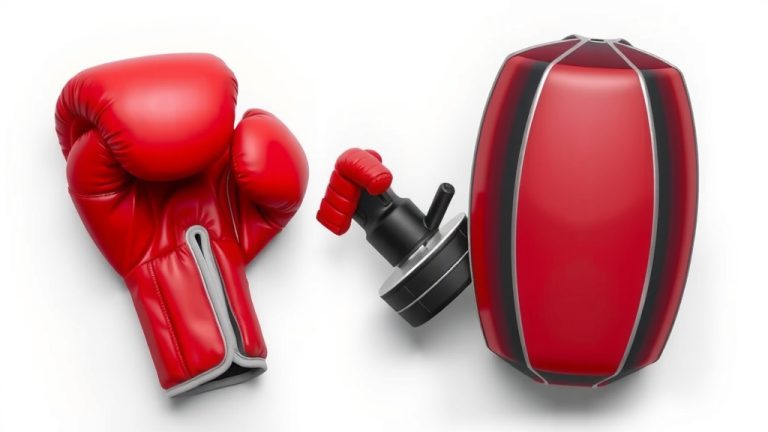
Think of boxing inner gloves as a padded sleeve that slips onto your hand. They are designed for a quick and easy way to add a bit of cushioning before you put on your boxing gloves. Many fighters find them convenient for light workouts. They’re perfect if you’re just hitting the speed bag or doing some light pad work and don’t want the fuss of wrapping your hands every single time. They offer a basic level of protection, kind of like wearing a thin pair of padded gloves under your main ones.
Pros of Inner Gloves
The biggest perk of inner gloves is their simplicity and speed. You just slide them on, and you’re good to go. This can save you precious minutes, especially when you’re in a hurry to start your training session. They also add an extra layer of hygiene within your boxing gloves, which can get pretty sweaty. Some boxers with sensitive skin might find they offer a bit more comfort against the rough interior of a boxing glove. We found they are a great option for beginners or those doing very low-impact drills.
Cons of Inner Gloves
While convenient, inner gloves generally don’t offer the same robust support as traditional hand wraps. They are shorter and less adjustable. This means they might not provide the same stability for your wrists or the same concentrated padding over your knuckles. If you’re throwing hard punches or engaging in sparring, you might feel you need more security than what inner gloves alone can provide. Many boxers feel they offer minimal support for the metacarpals (the long bones in your hand).
Understanding Traditional Hand Wraps
Hand wraps are strips of cloth, typically made of cotton or a blend, that you wrap around your hands and wrists. They are the classic choice for a reason. They allow you to customize the amount of padding and support you apply to different areas of your hand. You can get them in various lengths, usually between 120 to 180 inches, which gives you plenty of material to work with.
How Hand Wraps Work for Protection
The primary function of hand wraps is to stabilize your wrist and provide padding for your knuckles. When you wrap them correctly, they compress the soft tissues in your hand, preventing them from spreading out too much on impact. This reduces the shock that travels up your arm. Experts often state that proper wrapping can help prevent common boxing injuries like sprains, fractures, and even tendon damage (American Academy of Orthopaedic Surgeons).
Wrapping Your Knuckles
The knuckles are where a lot of the impact is absorbed. Hand wraps allow you to build up a protective layer directly over this area. You can go over your knuckles multiple times to create a thick, firm pad. This is crucial for taking the sting out of heavy punches and protecting the delicate bones in your fingers and the metacarpal heads.
Supporting Your Wrist
Your wrist is vulnerable to hyperextension or awkward bends during powerful punches. Hand wraps provide a splint-like effect. By wrapping firmly around your wrist joint, you create a more rigid structure. This helps maintain a neutral alignment and absorbs some of the rotational forces that can lead to injury. Many coaches stress the importance of wrist support above all else.
Pros of Hand Wraps
The biggest advantage of hand wraps is the superior support and injury prevention they offer. You have complete control over how much support you give to your knuckles, thumb, and wrist. This makes them ideal for hard training, sparring, and any situation where you’re throwing a lot of power. They can also be washed and reused, making them an economical choice over time. Plus, the act of wrapping itself can become a mindful part of your preparation.
Cons of Hand Wraps
The main drawback of hand wraps is the time and learning curve involved. It takes practice to wrap your hands correctly and effectively. Doing it wrong can actually lead to more problems, like cutting off circulation or not providing adequate support. They also add an extra step before and after each training session. Some people find them bulky under their gloves, though this is usually a sign of improper wrapping.
When to Use Which: Making Your Choice
So, when should you reach for inner gloves versus hand wraps? It really depends on your training intensity and personal preference. They aren’t always an either/or situation; many fighters use both.
Inner Gloves Are Best For:
- Light bag work
- Speed bag training
- Pad work with a trainer (if approved)
- As an extra comfort layer
- Beginners who are still learning to wrap
Hand Wraps Are Best For:
- Heavy bag sessions
- Sparring (almost always required)
- Intense pad work
- Anyone looking for maximum protection
- Preventing hand and wrist injuries
Using Them Together
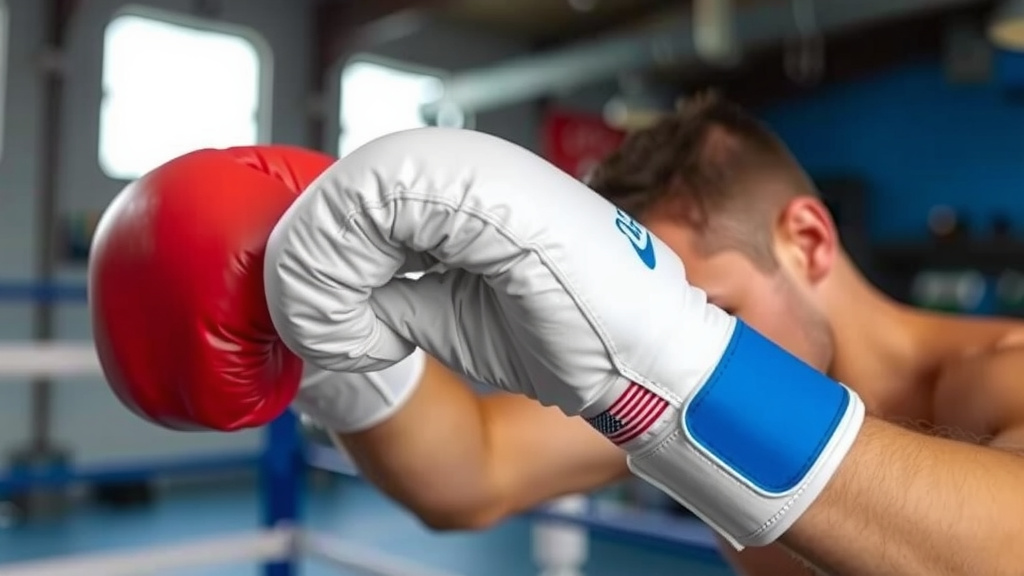
It’s quite common for boxers to wear inner gloves *under* their hand wraps. The inner glove provides a soft, clean layer against the skin, and then the hand wrap goes over that for added support. This combination can offer the best of both worlds: comfort and robust protection. It’s like wearing a good pair of socks with your hiking boots – it enhances the overall fit and feel.
A Quick Comparison Table
To help you visualize the differences, here’s a quick rundown:
| Feature | Boxing Inner Gloves | Traditional Hand Wraps |
|---|---|---|
| Ease of Use | Very Easy (Slip on) | Moderate (Requires practice) |
| Protection Level | Basic padding | Superior support and custom padding |
| Wrist Support | Minimal | Excellent (when wrapped correctly) |
| Knuckle Padding | Basic | Excellent (customizable) |
| Time to Put On | Seconds | 2-5 minutes |
| Best For | Light workouts, comfort | Hard training, sparring, injury prevention |
Your Hand Protection Checklist
To make sure you’re on the right track, consider this quick checklist:
- Assess your training intensity: Are you sparring or hitting hard?
- Consider your experience level: Are you comfortable wrapping your hands?
- Think about your goals: Is injury prevention your top priority?
- Do you have sensitive hands or skin?
- Are you looking for speed and convenience, or maximum security?
- Do you want to combine layers for ultimate protection?
Conclusion
Choosing between boxing inner gloves and hand wraps boils down to your specific training needs. Inner gloves offer a quick, convenient layer of comfort for lighter sessions. For serious protection during intense workouts and sparring, traditional hand wraps are your best bet, providing customizable support to prevent injuries. Many fighters find a combination of both offers the ultimate defense.
So, assess your training intensity and experience. Make the smart choice to protect your hands, so you can focus on improving your technique and power. Start incorporating the right hand protection into your routine today!
Frequently Asked Questions
Can I use boxing inner gloves for sparring?
While inner gloves offer some padding, they generally don’t provide the same level of wrist and knuckle support needed for sparring. Most gyms and coaches require traditional hand wraps for sparring to ensure maximum protection and reduce injury risk.
How do I know if I’m wrapping my hands correctly?
Proper hand wrapping should feel snug but not constricting, allowing good circulation. Your knuckles should feel well-padded, and your wrist should feel stable and supported. If you experience numbness or discomfort, or if your wrist feels loose, your wraps might not be done correctly.
Can I wear inner gloves and hand wraps at the same time?
Yes, many boxers do this! Wearing inner gloves first provides a soft, clean layer against your skin, and then you can wrap your hands over them. This combination can offer enhanced comfort and robust protection.
Are hand wraps necessary if I’m just hitting the heavy bag?
It’s highly recommended to use hand wraps for heavy bag work, especially if you’re throwing punches with power. Repeatedly hitting a heavy bag without adequate support can lead to strains, sprains, and other hand injuries over time.
How often should I replace my hand wraps or inner gloves?
Hand wraps are quite durable and can last a long time if washed properly. Look for signs of wear like thinning fabric or stretched-out elastic. Inner gloves, being fabric, will eventually wear out from sweat and friction, usually after a year or two of regular use.