Boxing Gloves vs Wraps: Which is Right For You
When you’re hitting the bags or sparring, both boxing gloves and hand wraps are essential for protecting your hands. Hand wraps offer a foundational layer of support, while gloves provide the outer defense. You’ll likely need both for most boxing training to prevent injuries.
Think of it this way: wraps are like the bandages that stabilize a sprained ankle, and gloves are the sturdy shoes protecting it. Many fighters wonder if they can skip one or the other. Research and our findings show that skipping either dramatically increases your risk of hand and wrist damage.
- Hand wraps give your knuckles and wrists crucial support.
- Boxing gloves offer cushioning and protection during impact.
- You typically need both for safe and effective boxing training.
- Wraps prevent injuries like sprains and fractures.
- Gloves absorb shock and protect your sparring partners.
Below, we’ll break down exactly what each piece of gear does and why using them together is the smartest move for your boxing journey.
Gloves vs. Wraps: Your Hands’ Best Defense in Boxing
When you step into the ring or onto the mats, protecting your hands is your top priority. You’ve probably seen them: the trusty hand wraps and the sturdy boxing gloves. But what’s the real difference? And why do you need both?
Think of your hands like tools. You wouldn’t use a hammer without a handle, right? Hand wraps and gloves are your handle and grip. Research shows that using them together can drastically reduce the risk of serious hand injuries. We’ll break down exactly how they work to keep your hands safe.
Understanding Hand Wraps: The Foundation of Support
Hand wraps are more than just strips of cloth. They are your first line of defense for your hands and wrists. They provide a snug, supportive layer that helps keep everything in place when you throw punches.
What Exactly Do Hand Wraps Do?
When you punch, a lot of force goes through your hands. Your knuckles take the brunt of the impact. Your wrists can also twist or bend awkwardly. Hand wraps help in a few key ways:
- Stabilize Wrists: They act like a natural brace, keeping your wrist from bending too much on impact. This helps prevent sprains.
- Support Knuckles: Wraps add padding around your knuckles. This cushions the bones and soft tissues.
- Compress Tissues: They provide light compression to the muscles and tendons in your hand. This can help reduce swelling.
- Absorb Some Sweat: While not their primary job, they do soak up sweat. This can make your gloves feel less slippery.
The Injury Risk Without Wraps
Many fighters think they can skip wraps, especially for light bag work. However, research from sports medicine experts indicates this is a mistake. Without that foundational support, your small hand bones and delicate wrist joints are more vulnerable.
You might not feel it right away. But repeated, unsupported impacts can lead to chronic pain, stress fractures, or even more severe issues like boxer’s fracture. Many professional boxers and trainers agree that skipping wraps is a quick way to end up with a hand injury.
The Role of Boxing Gloves: Protection and Power
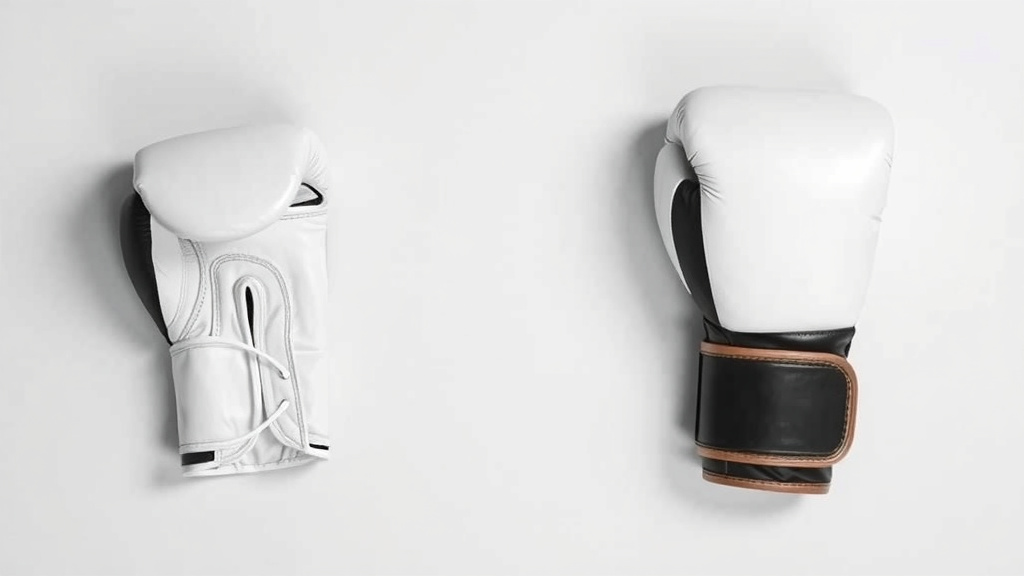
Boxing gloves are what most people picture when they think of boxing gear. They are designed to protect both the wearer and their training partners.
How Gloves Provide Protection
Gloves are built with padding to absorb shock. This padding is key to their protective function. When you hit something, the glove spreads the impact force over a larger area.
- Cushioning Impact: The thick padding in gloves absorbs much of the energy from your punch. This protects your knuckles and hand bones.
- Preventing Cuts and Bruises: The outer material and padding prevent your skin and bones from getting scraped or bruised on impact.
- Protecting Opponents: In sparring, gloves are essential for preventing serious injury to your partner. They soften the blow significantly.
Different Types of Gloves
It’s important to know that not all gloves are the same. Training gloves are usually heavier and more padded. Sparring gloves offer maximum protection. Speed bag gloves are lighter. For general training, you’ll want a good pair of padded training gloves.
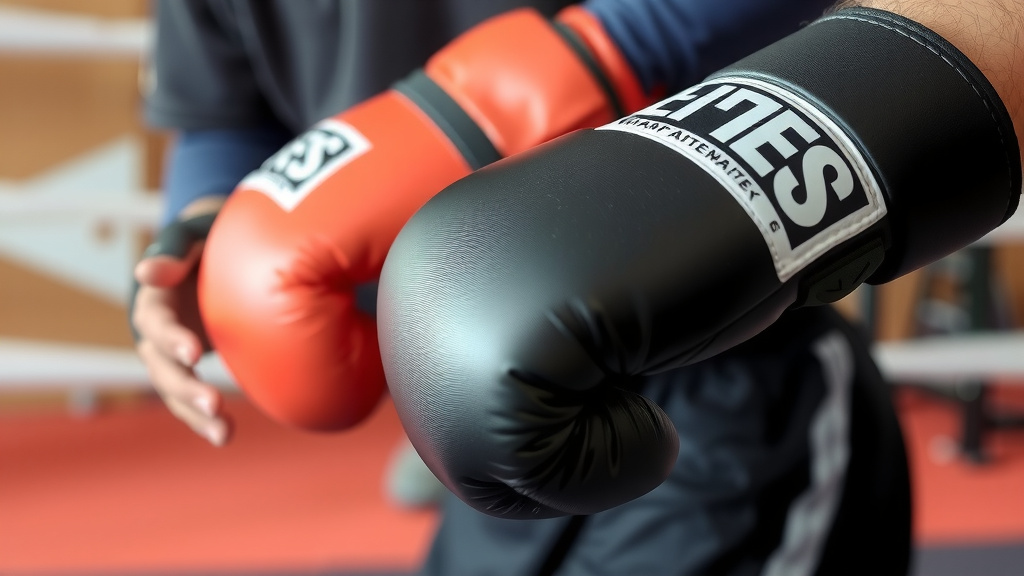
Gloves and Wraps: A Dynamic Duo
So, why isn’t one enough? The truth is, they serve different but complementary purposes. We found that combining both offers the highest level of protection for your hands during boxing training.
Synergy in Action: How They Work Together
Think of it like wearing a helmet with a face shield. One part protects your head, the other protects your face. Hand wraps create a solid, compressed base around your bones and wrist.
Then, the boxing gloves go on over the wraps. They provide the outer layer of cushioning. The gloves absorb the initial shock. But without the wraps, the impact would still travel through your wrist and knuckles more directly. The combination ensures that the force is distributed and absorbed effectively. Many sports medicine articles highlight this combined approach.
The Problem with Only Using Gloves
If you just wear gloves, your wrists and knuckles don’t get that internal support. The padding in the gloves helps, but it can’t fully compensate for a weak or unstable wrist. You’re still at a higher risk for sprains and fractures. It’s like wearing a tough shoe but having a weak ankle.
The Problem with Only Using Wraps
On the flip side, relying only on wraps is also a bad idea. Wraps provide support but lack the thick outer padding needed to absorb heavy impacts. Hitting a heavy bag or sparring partner with just wraps on could lead to bruised knuckles and internal hand damage. They don’t offer enough shock absorption.
| Feature | Hand Wraps | Boxing Gloves |
|---|---|---|
| Primary Function | Wrist stabilization, knuckle support, compression | Impact absorption, cushioning, outer protection |
| Protection Level | Internal support for bones and joints | External shock absorption for impact |
| Injury Prevention | Reduces sprains, fractures by stabilizing | Reduces bruising, cuts, and impact trauma |
| When to Use | Always under gloves for training/sparring | For bag work, mitts, sparring |
| Material | Cotton, elastic blends | Leather, synthetic leather, foam padding |
Making the Right Choice for Your Training
For most people starting out or training regularly, the answer is clear. You need both. Investing in good quality hand wraps and appropriate boxing gloves is essential for your long-term training.
A Checklist for Safe Training
To ensure you’re training safely and effectively, keep these points in mind:
- Always use hand wraps before putting on your gloves.
- Ensure your wraps are snug but not cutting off circulation.
- Choose gloves that are appropriate for the type of training you are doing.
- Check your gloves for wear and tear regularly.
- Listen to your body; don’t train through significant hand pain.
- Consider consulting a coach for proper wrapping techniques.
By understanding the role of each piece of equipment, you can make informed decisions. This helps keep your hands healthy and allows you to focus on perfecting your technique and power.
Conclusion
You’ve learned why both hand wraps and boxing gloves are non-negotiable for protecting your hands. Wraps provide that essential internal support for your wrists and knuckles, preventing strains and fractures. Gloves offer the critical external cushioning to absorb impact and safeguard your hands during strikes. Relying on just one piece of gear leaves you exposed to injuries.
Make it a habit: always start with wraps before slipping on your gloves for any training session. Your hands will thank you for it down the road. Invest in your health and your boxing journey by training smart and safe.
Frequently Asked Questions
Can I just use hand wraps and skip the gloves for bag work?
No, it’s not recommended. While wraps support your wrists, they don’t have enough padding to absorb the heavy impact of hitting a bag. This can still lead to bruised knuckles and internal damage to your hands.
What happens if I only wear boxing gloves without hand wraps?
Wearing only gloves leaves your wrists and knuckles without internal support. The glove padding helps, but it can’t fully compensate for an unsupported wrist, increasing your risk of sprains and fractures during hard impacts.
How long should my hand wraps be?
Most standard hand wraps are 180 inches long, which is suitable for most adults. If you have very small hands, you might use shorter wraps, and some prefer longer wraps for extra wrist support, but 180 inches is a good starting point.
How tight should I wrap my hands?
You want your wraps to be snug, providing firm support without cutting off circulation. They should feel secure around your knuckles and wrist, but you shouldn’t experience numbness or tingling. If unsure, ask a coach for guidance.
Are there different types of boxing gloves for different training?
Yes, there are. Generally, heavier, more padded gloves are best for bag work and sparring to maximize protection. Lighter gloves might be used for speed bag training. Always choose gloves appropriate for the specific activity you’re doing.