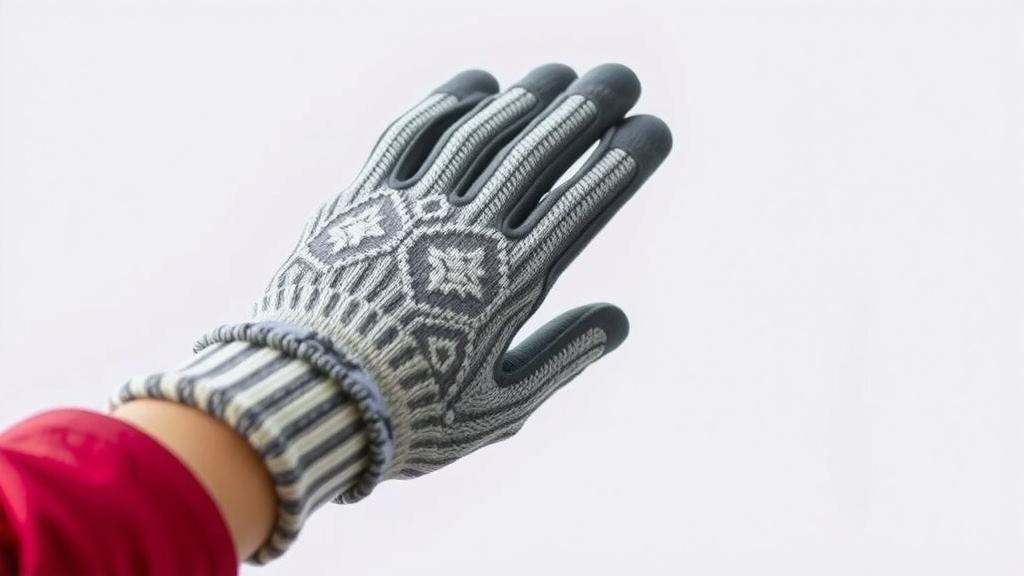
How iPhone Gloves Work: Touchscreen Technology Explained
iPhone gloves work by incorporating conductive materials into the fingertips. These materials, often made of special thread or a metallic coating, allow the electrical signals from your skin to reach the iPhone’s screen. Without them, the screen wouldn’t register your touch when wearing regular gloves.
This clever technology makes your iPhone usable in chilly weather. It bypasses the need to remove your warm gloves just to send a quick text or check a notification. You can stay cozy and connected, which is a win-win for most of us. Many gloves are designed to work with various touchscreen devices, not just iPhones.
- iPhone gloves have conductive threads in the fingertips.
- These threads complete an electrical circuit with your skin.
- This allows the iPhone screen to register your touch.
- Regular gloves block these signals, making them unusable.
Ready to find out the science behind your warm and connected hands? Let’s break down exactly how these handy iPhone gloves do their magic.
So, you’re wondering about the magic behind those gloves that let you use your iPhone in the cold? It’s not sorcery, but it is pretty clever engineering. Let’s dive into what makes them work so you can stay warm and connected.
The Science Behind Your Touchscreen Gloves
Simply put, iPhone gloves work because they allow your device to “feel” your touch. Your iPhone’s touchscreen relies on your body’s natural electrical signals. These signals are quite weak. Regular gloves act like a barrier. They block these tiny electrical signals from reaching the screen. This is why your phone acts unresponsive when you wear normal winter gloves.
How Touchscreens Detect Your Touch
Your iPhone’s screen is a capacitive touchscreen. This means it uses a layer of electrically conductive material. When your finger, which also conducts electricity, gets close to the screen, it disrupts the screen’s electrostatic field. The phone’s processor detects this disruption. It then registers it as a touch input. It’s like a tiny, invisible circuit that your finger completes. This technology is why you can tap, swipe, and pinch your way through your apps.
Why Regular Gloves Don’t Work
Most common glove materials, like wool, fleece, or synthetic fabrics, are insulators. They don’t conduct electricity well. Think of them as a very effective shield. When you try to touch your phone with a regular glove on, the insulating material prevents your body’s electrical signals from reaching the screen. The screen doesn’t sense any disruption in its electrostatic field. So, it simply ignores your touch. It’s a bit frustrating when you’re trying to quickly reply to a message!
The Secret Ingredient: Conductive Materials
This is where the specialized iPhone gloves come in. They have a special trick up their sleeves, or rather, in their fingertips. They incorporate materials that can conduct electricity. These materials allow the necessary electrical signals to pass from your skin to the phone’s screen. Without them, your phone would be as uncooperative as a sleepy cat.
Types of Conductive Materials Used
You’ll find a few common types of conductive materials used in these gloves. One of the most popular is a special type of conductive thread. This thread is woven directly into the fabric, usually at the fingertips. It can be made from materials like silver, copper, or other conductive alloys. Sometimes, the entire glove is made from a conductive fabric. Other times, just the tips of the fingers and thumbs have this special material.
Metallic Coatings
Another method involves applying a metallic coating to the fingertips of regular gloves. This coating might be made of silver or a similar conductive material. It’s often a thin layer that adheres to the fabric. This coating effectively turns the fingertip into a conductor. It’s a less common method for everyday gloves but is seen in some specialized gear.
Conductive Yarn and Weaving
The most common and often most effective method is using conductive yarn. This yarn is specially engineered to carry an electrical current. It’s blended with traditional glove materials like acrylic or wool. The way it’s woven is also important. Manufacturers ensure the conductive threads are strategically placed. They need to make direct contact with your skin and then with the phone screen. It’s a thoughtful design that makes a big difference.
How the Conductive Material Works with Your Skin
When you wear conductive gloves, the material in the fingertips makes contact with your skin. Your skin, as we mentioned, carries natural electrical signals. The conductive thread or coating acts as an extension of your body. It channels these signals. They travel through the conductive material. Then, they reach the surface of your iPhone’s screen. The screen registers this as a valid touch. It’s like giving your finger a conductive “bridge” to the phone.
Ensuring Your Gloves Actually Work
Not all “iPhone gloves” are created equal. You’ll want to make sure you’re getting gloves designed for touchscreen use. Some gloves might have a small conductive patch that can wear out. Others might have a more robust integration of conductive materials. It’s always good to check product descriptions carefully.
What to Look For When Buying
When you’re shopping for touchscreen-compatible gloves, keep an eye out for specific keywords. Look for terms like “smartphone gloves,” “touchscreen gloves,” or “capacitive gloves.” These terms indicate that the gloves are designed for your device. Also, check where the conductive material is located. Most effective gloves have it on the thumb, index, and middle fingers. These are the digits you use most often for tapping and swiping.
Testing Your Gloves
Once you have your gloves, give them a quick test. Try to open an app or type a short message. If your phone responds smoothly, you’ve likely got a good pair. If it’s laggy or unresponsive, the conductive material might not be making good contact. Sometimes, a slight adjustment in how you hold your hand can help. You might need to ensure your fingertips are firmly pressed against the screen.
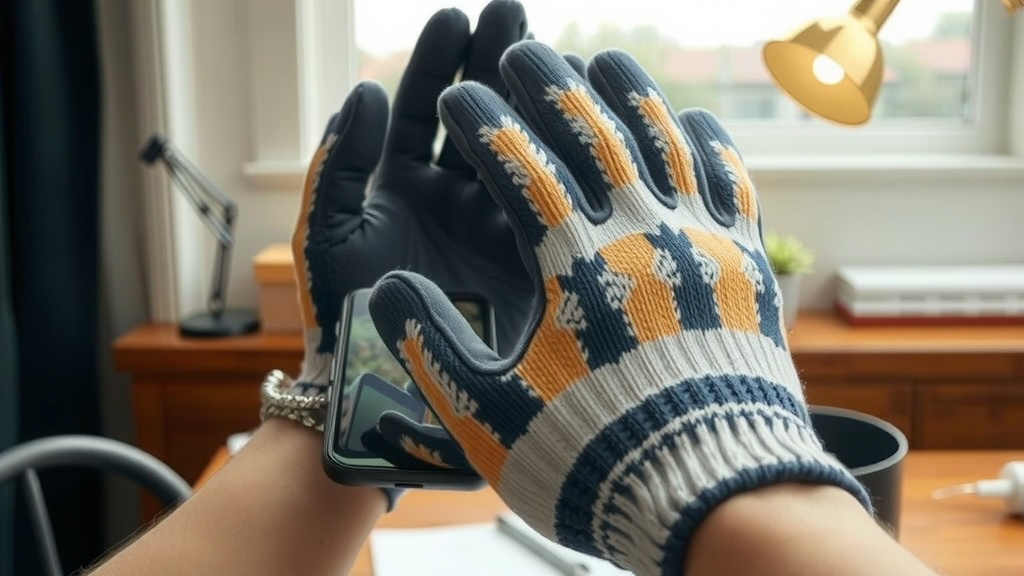
Different Types of Conductive Gloves Available
You have options when it comes to choosing your conductive gloves. They come in various styles, materials, and levels of warmth. The choice often depends on your personal needs and the climate you live in.
Full Conductive Gloves
These gloves are made entirely or mostly of conductive fabric. They offer excellent responsiveness across the entire glove. However, they might not be as warm as traditional wool or fleece gloves. They are often thinner. This makes them great for milder weather or for when you need very precise control.
Hybrid Gloves
Many popular gloves are hybrids. They combine traditional insulating materials with strategically placed conductive fingertips. For instance, you might find a warm fleece glove with conductive threads woven into the thumb and index finger. This offers a good balance of warmth and functionality. Many experts agree this is a great choice for everyday use (Various Tech Review Sites).
Gloves with Conductive Palm Grips
Some gloves go beyond just the fingertips. They might have conductive elements on the palm and fingers to improve grip on your device. While this isn’t strictly for touch input, it can help you hold your phone more securely in slippery conditions. It’s a nice added bonus for those who tend to drop things!
Here’s a quick checklist to remember:
- Look for “touchscreen” or “smartphone” in the product name.
- Check for conductive material on fingertips (thumb, index, middle fingers).
- Consider the warmth you need for your climate.
- Read reviews to see how well they perform.
- Test them out as soon as you get them.
- Ensure the material makes good skin contact.
Conclusion
You now understand the clever science behind your iPhone gloves. It’s all about conductive materials creating a bridge for your skin’s electrical signals. These special threads or coatings allow your phone to register your touch, even when you’re bundled up. This technology ensures you don’t have to sacrifice warmth for connection. When choosing your next pair, look for those clearly marked as “touchscreen compatible.” Make sure the conductive parts are on your fingertips. Now you can confidently shop for gloves that keep your hands toasty and your phone responsive. Enjoy staying connected this season!
Frequently Asked Questions
How do I know if my regular gloves will work with my iPhone?
If your regular gloves are made from typical insulating materials like wool or fleece, they likely won’t work. Your iPhone’s touchscreen needs your body’s natural electrical signals to register a touch. Standard glove materials block these signals.
Can I make my old gloves work with my iPhone?
Yes, you can sometimes add conductive patches or paint to the fingertips of your existing gloves. You’ll need to purchase special conductive thread or paint designed for fabric. This allows the electrical signals from your skin to pass through to the phone’s screen.
Will all types of conductive gloves work on any touchscreen phone?
Generally, yes. The technology used in iPhone gloves works with most capacitive touchscreens, including Android phones and tablets. As long as the gloves have conductive material on the fingertips, they should function.
Do the conductive materials in gloves wear out?
Conductive materials can wear out over time, especially with heavy use. Threads can fray, and metallic coatings can rub off. If your gloves stop working, check if the conductive material is damaged or dirty. Sometimes, gently cleaning them can help.
Are there gloves that work with both touchscreens and offer a lot of warmth?
Absolutely. Many hybrid gloves combine warm insulating materials like fleece or wool with conductive threads on the fingertips. These are often the best choice for cold weather, as they provide both warmth and touchscreen functionality.