Exam Gloves vs Food Gloves: What’s the Difference
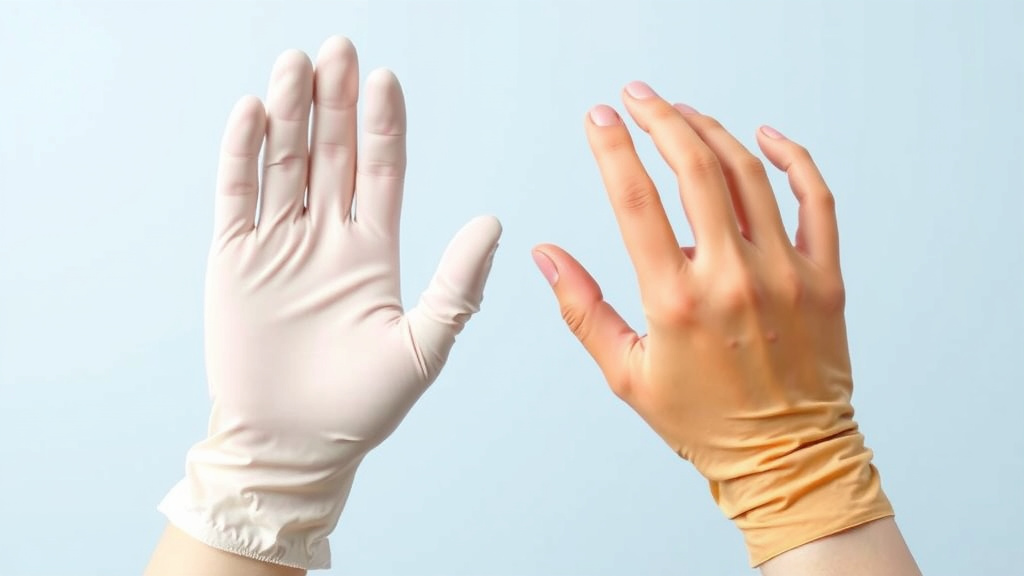
When you’re grabbing something from the store or handling food at home, you might wonder if those exam gloves are the same as food gloves. The truth is, they’re not interchangeable and serve very different purposes. While both protect your hands, exam gloves are designed for medical environments with strict hygiene standards, whereas food gloves are made specifically for handling food safely.
Understanding the difference is key to staying safe and hygienic. Exam gloves undergo rigorous testing for things like barrier protection against pathogens. Food gloves, while also providing a barrier, must meet different regulations focused on food safety and preventing contamination of what you eat. It’s all about using the right glove for the right job.
- Exam gloves are for medical settings.
- Food gloves are specifically for handling food.
- Both offer hand protection.
- They have different safety standards.
- Using the wrong type can be unsafe.
Let’s break down exactly what makes them different and when you should use each one.
Exam Gloves vs. Food Gloves: What’s the Real Difference?
You’ve probably seen them side-by-side. Maybe you’ve even grabbed a box of one thinking it would do the job of the other. But are exam gloves and food gloves really the same? We found that while both protect your hands, they are designed for very different environments and have distinct regulations behind them.
The core difference boils down to **purpose and protection**. Exam gloves are built for healthcare settings where preventing the transfer of pathogens is a top priority. Food gloves, on the other hand, are all about ensuring that the food you touch stays clean and free from contaminants that could make you sick. Let’s get into the nitty-gritty of what makes them unique.
Understanding Exam Gloves: More Than Just a Barrier
When you think of exam gloves, you likely picture doctors and nurses. That’s because these gloves are a critical part of **medical safety protocols**. They are designed to create a barrier between the wearer and potential hazards. These hazards aren’t just about keeping your hands clean; they’re about stopping the spread of infections and diseases.
What Makes Exam Gloves Special?
Exam gloves undergo rigorous testing to meet specific standards. The Food and Drug Administration (FDA) regulates them for use in healthcare. This means they have to prove they can protect against things like bloodborne pathogens and certain chemicals. They are made from materials like latex, nitrile, or vinyl, chosen for their **durability and barrier properties**.
Key Features of Exam Gloves
- Medical Grade: They meet strict quality standards for healthcare use.
- Pathogen Protection: Designed to prevent the transfer of viruses and bacteria.
- Material Choice: Often made of nitrile, latex, or vinyl for varying needs.
- Tactile Sensitivity: Many are designed to allow for good feel and dexterity.
When You Should (and Shouldn’t) Use Exam Gloves
You’ll find exam gloves are perfect for situations where you might encounter bodily fluids or need a high level of protection against germs. Think about visiting a doctor, assisting someone with first aid, or even certain household cleaning tasks where you want that extra **peace of mind**. However, they aren’t meant for direct food contact unless they are specifically labeled as safe for food handling.
Exploring Food Gloves: Keeping Your Grub Safe
Now, let’s talk about the gloves you might use when prepping dinner or working at a food service counter. These are your **food gloves**, and their primary job is to safeguard the food from your hands and vice-versa. The regulations they follow are different, focusing squarely on **food safety**. The goal is simple: prevent contamination of the food you’re preparing or serving.
The Purpose of Food-Grade Gloves
Food gloves must comply with FDA regulations for food contact. This means the materials they are made from cannot leach harmful chemicals into the food. They are intended to be a hygienic barrier between the handler and the food item. Think about making a sandwich, plating a salad, or even grabbing produce at the grocery store.
What to Look for in Food Gloves
- Food Safe Materials: Made from materials approved for food contact.
- Prevent Contamination: Stop hand oils, dirt, and potential pathogens from getting into food.
- No Harmful Leaching: Materials won’t transfer unwanted substances to food.
- Variety of Types: Available in lightweight options for simple tasks or heavier ones for more demanding jobs.
Where Food Gloves Shine
These gloves are your best friend in the kitchen and anywhere food is handled. They are ideal for:
- Preparing raw meats, poultry, and seafood.
- Handling ready-to-eat foods like salads or sandwiches.
- Working with ingredients that require direct hand contact.
- Sampling food at events.
- Anyone working in a professional kitchen or food service.
Using food gloves ensures you’re meeting health standards and keeping your customers or family safe. It’s a simple step that makes a **big difference in food hygiene**.
Key Differences at a Glance
To really drive the point home, let’s lay out the main distinctions side-by-side. Understanding these points can help you make the right choice the next time you reach for a pair of gloves.
| Feature | Exam Gloves | Food Gloves |
|---|---|---|
| Primary Use | Medical and healthcare settings | Food preparation and handling |
| Main Goal | Protect wearer from pathogens and contaminants | Protect food from contamination by wearer |
| Regulation Focus | Medical device standards (FDA) | Food contact material standards (FDA) |
| Pathogen Barrier | High level of protection against bodily fluids and pathogens | Barrier to prevent direct contact, but not always rated for medical-level pathogen protection |
| Material Safety | Tested for barrier integrity and material strength | Tested for safety in contact with food (no leaching) |
Can You Use Exam Gloves for Food? Not Usually!
This is a common point of confusion. While exam gloves offer excellent protection, they aren’t automatically safe for food handling. Why? Because the **materials or processing chemicals** used to make them medical-grade might not be approved for direct contact with food. You don’t want to transfer anything from the glove to your meal!
Many experts point out that gloves intended for medical use must meet different FDA requirements than those meant for food contact. Unless the box of exam gloves explicitly states they are FDA-approved for food handling, you should **avoid using them for that purpose**. It’s always best to err on the side of caution when it comes to what you eat.
When Food Gloves Might Be Used in Healthcare (and Vice Versa)
Now, things can get a little interesting. Can a food glove be used in a medical setting? Typically, no. The level of protection against pathogens is usually not sufficient for healthcare. However, an exam glove *can* be used for food handling **if it is specifically labeled and approved for both uses**. Some manufacturers produce gloves that meet both medical and food-grade standards.
It’s rare, but some facilities might use gloves that are dual-purpose. Always check the packaging carefully. If a glove is rated for food use, it will often say so. For most people, however, keeping these two types separate is the **safest and simplest approach**.
Making the Right Choice for Your Hands and Your Food
So, how do you ensure you’re using the right gloves? It’s all about checking the label and understanding the intended use. Think about the task at hand.
Here’s a quick checklist to help you decide:
- Are you in a medical setting, dealing with potential bodily fluids? Reach for exam gloves.
- Are you preparing food that will be eaten? Grab food-grade gloves.
- Is the glove box clearly labeled “food safe” or “for food handling”? It’s likely safe for food.
- Is the glove box labeled “medical exam glove” or similar, with no mention of food? Keep it away from your kitchen.
- Do you need a glove for general cleaning that isn’t food-related? Exam gloves can work well.
- Are you unsure? It’s safer to use gloves specifically designed for the task.
Conclusion
You’ve learned that exam gloves and food gloves aren’t the same, even though both protect your hands. Exam gloves are built for medical protection against pathogens, meeting strict healthcare standards. Food gloves are designed to keep your food safe from contaminants, following different FDA rules for food contact. Using the wrong glove can pose risks to health and hygiene. Always check the packaging to ensure you’re using the right glove for the right job, whether it’s in a clinic or your kitchen. Making the correct choice keeps everyone safer.
Frequently Asked Questions
Can I reuse exam gloves or food gloves?
No, it’s best to treat both exam gloves and food gloves as single-use items. Reusing them can lead to contamination, compromising the protection they offer. Dispose of them immediately after use for maximum safety.
Are all disposable gloves safe for food preparation?
Not all disposable gloves are safe for food preparation. Only gloves specifically labeled as “food-grade” or “FDA-approved for food contact” should be used when handling food. Exam gloves are generally not suitable unless explicitly stated otherwise.
What happens if I use exam gloves for handling food?
Using exam gloves for food handling can be risky because they may not be made from food-safe materials. Chemicals or residues from their manufacturing process, intended for medical use, could potentially transfer to your food, leading to contamination.
How can I tell if a glove is safe for handling food?
You can tell if a glove is safe for handling food by checking its packaging. Look for clear labeling that indicates it is “food-safe,” “food-grade,” or “FDA-approved for food contact.” If this information isn’t present, assume it’s not meant for food preparation.
Are food gloves the same as house cleaning gloves?
No, food gloves are not typically the same as general house cleaning gloves. House cleaning gloves are designed for protecting your hands from harsh chemicals and dirt during cleaning tasks. Food gloves are specifically made with materials that won’t react with or contaminate food.