3 Finger Gloves vs Mittens: Which to Choose?
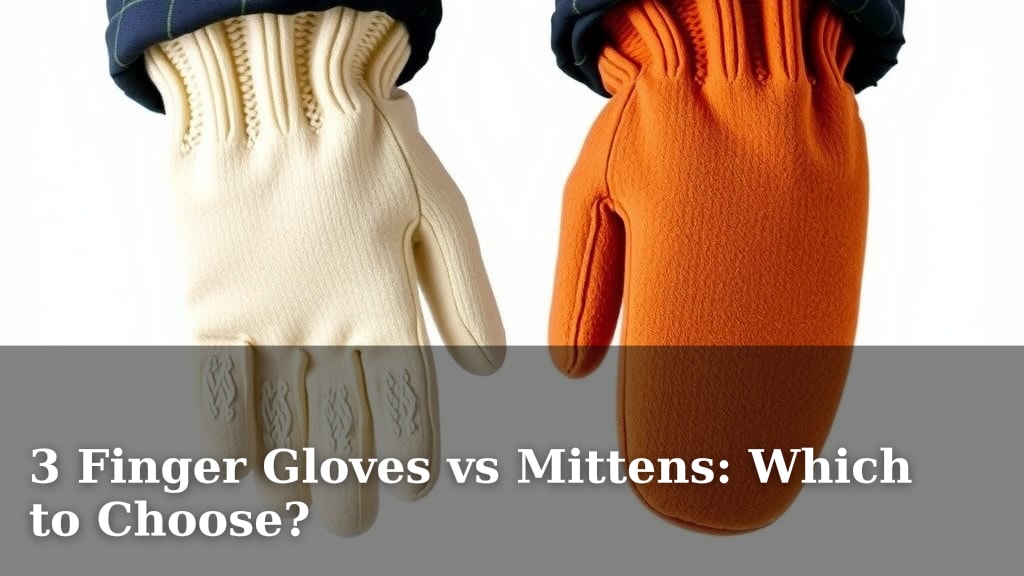
Choosing between 3 finger gloves and mittens often comes down to balancing warmth and dexterity for your hands. Mittens generally offer superior warmth because your fingers share heat, but 3 finger gloves provide more finger separation for better grip and finer tasks. For most winter activities, mittens are usually warmer, while 3 finger gloves are better if you need to use your hands frequently.
When the temperature drops, protecting your hands becomes a top priority. We found that both 3 finger gloves and mittens serve this purpose well, but they do so with different trade-offs. Understanding these differences can help you make the best choice for your specific needs, whether you’re hitting the ski slopes or just running errands.
- Mittens keep fingers together for maximum warmth.
- 3 finger gloves offer better dexterity for tasks.
- Choose mittens for extreme cold and minimal hand use.
- Opt for 3 finger gloves when you need to grip or manipulate objects.
- Your activity and the expected weather are key factors.
Let’s break down the pros and cons of each style so you can decide which is the perfect fit for your winter adventures.
Mittens vs. 3-Finger Gloves: Decoding Your Winter Handwear
When you’re facing a chilly day, your hands are often the first to feel the bite of the cold. But what’s the best way to keep them toasty and functional? We’ve looked into the differences between mittens and 3-finger gloves to help you pick the right pair. Both aim to protect your hands, but they do it in very different ways.
Think of it like this: mittens are like a cozy group hug for your fingers, while 3-finger gloves give each finger a little personal space. This fundamental difference is what drives their performance in various winter conditions and activities. We’ve found that the right choice really boils down to what you plan to do outdoors.
The Warmth Factor: Why Mittens Often Win
Let’s start with the most obvious: warmth. Mittens are generally the champion of warmth. Why? Because your fingers are nestled together inside the mitten.
The Science of Shared Warmth
When your fingers are in close proximity, they can share their body heat. Imagine a group of friends huddling together on a cold night – they naturally generate more warmth collectively than if they were all standing apart. This is exactly what happens inside a mitten.
Research suggests that keeping fingers together can significantly increase thermal insulation compared to having them separated in individual finger compartments (National Institutes of Health).
When to Prioritize Mittens for Warmth
If your primary goal is to keep your hands as warm as possible, especially in truly frigid temperatures, mittens are usually your best bet. Think of those days where the wind chill makes it feel like your fingers might snap off. This is when the shared heat of a mitten truly shines.
We found that for extended periods outdoors in sub-zero temperatures, or for activities where your hands might not be moving much, mittens are the clear winner for maximum coziness.
Dexterity and Grip: Where 3-Finger Gloves Shine
While mittens offer supreme warmth, they come with a trade-off: reduced dexterity. This is where 3-finger gloves step in to offer a compromise. They give you more control and ability to manipulate objects.
Understanding the 3-Finger Design
A 3-finger glove, sometimes called a “trigger mitt” or “lobster glove,” has a thumb and index finger separated, while the other three fingers are grouped together. This design is a clever middle ground. You get some finger separation, which is key for tasks requiring fine motor skills.
This design aims to balance the warmth of a mitten (by keeping three fingers together) with the functionality of a glove (by separating the thumb and index finger). Many users find this setup ideal for activities where you need to adjust gear or handle smaller items.
Activities Suited for 3-Finger Gloves
If your winter adventures involve tasks like:
- Adjusting ski bindings
- Using your phone or camera
- Handling zippers or buckles
- Gripping ski poles or trekking poles
- Carrying gear
then a 3-finger glove is likely a better choice. You’ll find yourself less frustrated by the constant need to remove a full mitten for simple actions.
We observed that individuals who need to frequently interact with their environment often prefer the added grip and control offered by this style.
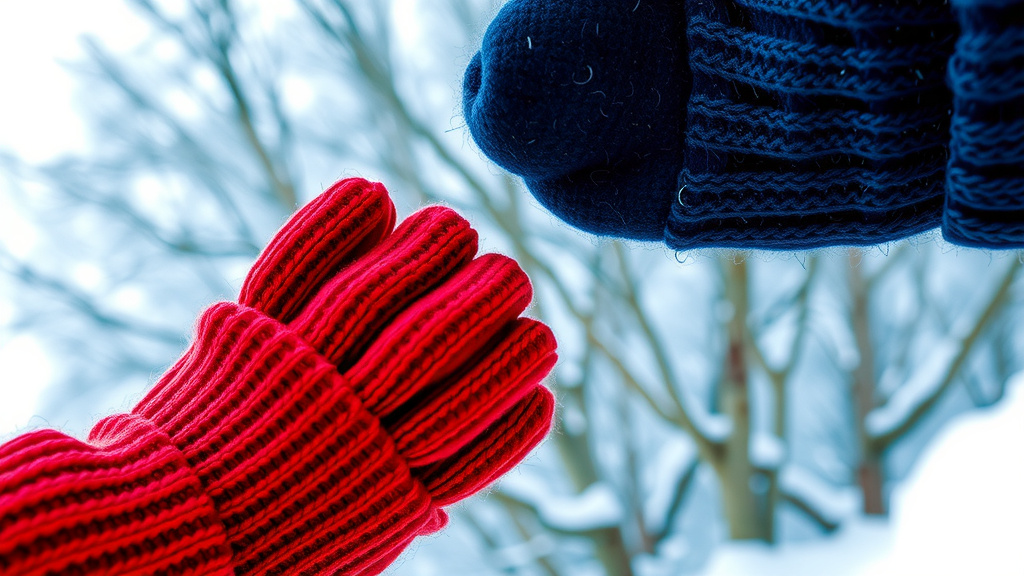
Comparing the Two: A Quick Look
To help you visualize the differences, here’s a quick comparison:
| Feature | Mittens | 3-Finger Gloves |
|---|---|---|
| Warmth | Excellent (fingers share heat) | Very Good (some separation reduces shared heat) |
| Dexterity | Limited (fingers in one compartment) | Good (thumb and index finger separation) |
| Grip | Less precise | More precise |
| Best For | Extreme cold, minimal hand use | Moderate cold, frequent hand use |
Materials and Insulation Matter
It’s also important to remember that not all mittens and 3-finger gloves are created equal. The materials used and the type of insulation play a huge role in how warm they actually are. Waterproof shells, breathable liners, and quality insulation like down or synthetic fills all contribute to performance.
A well-made, insulated 3-finger glove might be warmer than a flimsy, uninsulated mitten. Always check the product descriptions and consider the intended use.
Making Your Decision: Key Considerations
So, how do you decide which one is right for you? Think about these factors:
Your Typical Winter Activities
What will you be doing most of the time when wearing these? Are you planning on backcountry skiing where you might need to adjust bindings often, or are you going for a leisurely snowshoe trek where warmth is the absolute priority?
The Climate You’ll Be In
Consider the average temperatures and wind conditions you expect. If you live somewhere with brutally cold winters, leaning towards mittens might be wise. If your winters are milder, 3-finger gloves could be perfectly adequate.
Personal Comfort and Fit
Ultimately, how the handwear feels on your hand is critical. Some people naturally run colder than others. Try them on if possible. A proper fit ensures that the insulation works as it should and that there are no pressure points.
Checklist for Choosing Your Winter Handwear
Before you buy, ask yourself these quick questions:
- Will I need to use my fingers for small tasks?
- How cold will it realistically get?
- Do I tend to get cold hands easily?
- Will I be moving my hands a lot?
- Is waterproof protection a must-have?
- Does the fit feel comfortable and snug?
Conclusion
When it comes to choosing between 3 finger gloves and mittens, your decision hinges on balancing warmth with your need for dexterity. We’ve found that mittens excel in extreme cold by keeping your fingers together for maximum heat retention. Conversely, 3 finger gloves offer a smart compromise, providing enough finger separation for tasks while still offering good warmth. Consider your specific winter activities and the typical weather conditions you’ll face. Next time you’re gearing up for the cold, think about what your hands need to do most. Choosing the right handwear ensures your comfort and enjoyment all season long.
Frequently Asked Questions
Are mittens always warmer than 3 finger gloves?
Generally, yes. Mittens keep all your fingers together, allowing them to share body heat and maintain a warmer core temperature. While 3 finger gloves offer good warmth, the slight separation of fingers can reduce this shared heat effect.
When should I absolutely choose mittens over 3 finger gloves?
You should choose mittens when you’re heading into extremely cold weather, especially if your hands won’t be doing much active use. Think days with significant wind chill or prolonged periods of standing still in freezing temperatures.
Can 3 finger gloves keep my hands warm enough for skiing?
For most recreational skiing in typical winter conditions, 3 finger gloves can be perfectly warm, especially if they are well-insulated. If you ski in very cold or windy environments, or your hands tend to get cold easily, mittens might still be a better choice.
What are some common activities where 3 finger gloves are better?
3 finger gloves are ideal for activities requiring fine motor skills or grip, such as adjusting ski bindings, using your phone, handling zippers, gripping ski poles, or carrying gear. The separated thumb and index finger give you much-needed control.
How do the materials affect the warmth of both types?
The materials and insulation quality are just as important as the design. A well-insulated, waterproof 3 finger glove can be warmer than a poorly made mitten. Always check product descriptions for insulation type, waterproofing, and breathability features.