Diamond Ready: How to Find the Right Baseball Glove Size
There’s something magical about stepping onto the baseball field with a perfectly fitted glove in your hand. It’s like finding that one pair of shoes that feels like it was custom-made just for you. But here’s the thing—most players struggle with glove sizing, and honestly, it’s not their fault. The sizing system for baseball gloves can feel as confusing as trying to steal home plate with two outs.
If you’re standing in a sporting goods store or scrolling through online catalogs feeling completely lost, you’re not alone. I’ve been there too. That’s why I’ve decided to walk you through everything you need to know about finding your perfect baseball glove size. Trust me, once you get this right, your game will thank you.
Understanding Baseball Glove Sizing Basics
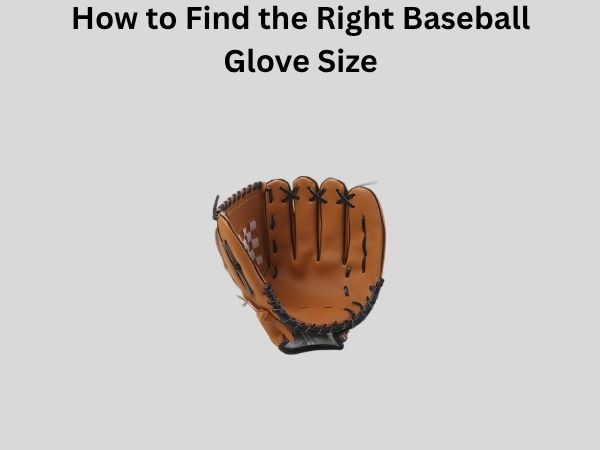
Before we dive into the specifics, let’s talk about how baseball gloves are actually sized. Unlike shoes or other sports equipment, baseball glove sizing works a little differently than what you might expect. The size of a baseball glove is measured in inches, starting from the top of the glove to the bottom of the pocket. Think of it as measuring the glove from its highest point to its lowest point along the palm side.
Baseball gloves typically range from about 10.5 inches for younger players all the way up to 13 inches or larger for adult outfielders. The sizing goes in half-inch increments, so you might see gloves labeled as 11, 11.5, 12, 12.5, and 13 inches. This measurement system remains consistent across most reputable manufacturers, which is helpful when you’re comparing options.
Why Size Matters More Than You Think
You might wonder why we’re making such a big deal about getting the exact right size. Can’t you just grab a glove that looks good and call it a day? Well, not exactly. A glove that’s too large will feel clumsy in your hands, making it harder to field ground balls and catch fly balls with precision. Your hand will practically be swimming in leather, and you won’t have the control you need when the batter hits a line drive in your direction.
On the flip side, a glove that’s too small becomes uncomfortable quickly. Your hand gets cramped, your fingers feel pinched, and after a few innings, your hand starts aching. Plus, a glove that’s too small simply won’t have enough surface area to catch faster pitches safely. It’s not just about comfort—it’s about performance and safety.
Determining Your Age Group and Position
The first step in finding your right glove size is honestly thinking about two things: how old you are and what position you play on the field. These two factors will narrow down your options significantly.
Glove Sizes for Young Players
If you’re buying for a young player, typically kids aged 4 to 7 years old need gloves in the 10 to 10.75 inch range. These smaller gloves are proportional to their smaller hands and growing bodies. Kids aged 8 to 12 usually fit better in 11 to 11.5 inch gloves. Think of it as a natural progression—their hands are getting bigger, and their gloves need to grow with them.
Sizing for Teenagers and Young Adults
Teenagers and young adults typically wear gloves ranging from 11.5 to 12.5 inches, depending on their specific position and hand size. A 13-year-old shortstop might prefer an 11.75 inch glove for better ball control, while that same age might work with a 12 or 12.5 inch glove if they’re playing outfield.
Adult Player Considerations
Adult players generally wear gloves from 11.5 inches all the way up to 13.5 inches, with the most common range being 12 to 13 inches. Adult hand size becomes more relevant here than age, so don’t just assume you need the largest glove available.
Position-Specific Glove Sizing Guide
Here’s where things get really interesting. Different positions on the baseball field actually require different glove sizes. It’s not just about personal preference—it’s about what works best for the demands of your specific position.
Infielders and Shortstops
Infielders need smaller, lighter gloves because they’re constantly moving the ball quickly from their glove to their throwing hand. A shortstop or second baseman typically wears gloves in the 11 to 11.5 inch range. These smaller gloves let you transfer the ball faster, which is crucial when you’re turning a double play or making an emergency throw to first base.
Third Basemen
Third basemen usually go for gloves in the 11.25 to 11.75 inch range. They need something slightly larger than shortstops because they field more powerful throws from outfielders, but they still need that ball control for quick transfers to the bases.
Catchers
Catchers are the exception to most sizing rules. Catcher’s mitts are typically measured differently and range from 32 to 34 inches in circumference. They’re bigger and bulkier because catchers need the extra padding and surface area to catch 90+ mile-per-hour fastballs safely. If you’re a catcher, you’re shopping in a completely different category.
Outfielders and Corner Positions
Outfielders can actually get away with larger gloves because they’re tracking fly balls in open space and don’t need the same quick-transfer speed that infielders do. Left and right fielders typically wear 12.5 to 13 inch gloves. Center fielders sometimes go even larger, around 13 to 13.5 inches, since they cover more ground and benefit from that extra reach.
First Basemen
First basemen sit in their own category with specialized first base mitts that range from 12 to 13 inches. These gloves are wider and have a different pocket shape designed specifically for scooping throws in the dirt and catching wide throws from other infielders.
How to Measure Your Hand for the Perfect Fit
Now that you understand the general sizing guidelines, let’s talk about measuring your actual hand. This is where theory meets practice.
The Basic Hand Measurement Method
Take a measuring tape and measure from the top of your middle finger down to your wrist. This gives you a basic idea of your hand size. If your measurement is around 6.5 to 7 inches, you’re probably looking at youth gloves. If you’re measuring 8 to 8.5 inches, you’re likely in the youth-to-adult transition range. Anything above 9 inches typically means you’re solidly in adult glove territory.
The Professional Fitting Method
Here’s the best way to actually determine if a glove fits properly: put it on your non-throwing hand (your left hand if you’re right-handed, and vice versa). Make a fist inside the glove. Your fingertips should be able to touch the inside top of the glove, but not press against it uncomfortably. Your fingers shouldn’t have extra space where they can wiggle around freely.
Now close the glove. Your wrist should have about a finger’s width of space between the glove and your wrist—not tight, but not loose. If you can fit your entire finger in that gap, the glove is probably too big. If you can’t fit anything in there, it’s too small.
Testing the Glove in Action
Once you’ve done the basic fit check, it’s time to really test the glove like you’d use it in a game situation.
The Catch and Transfer Drill
Have someone toss a baseball to you. Catch it and immediately transfer it to your throwing hand. The movement should feel smooth, not forced or awkward. If you’re fumbling with the transfer or it takes longer than it should, the glove might be the wrong size or style for you.
The Finger Flexibility Test
Close the glove with a ball inside the pocket. Your fingers should move naturally to help close the pocket around the ball. If your fingers feel restricted or if you have to stretch excessively to close the glove, something’s not quite right with the sizing.
The Comfort Duration Test
Wear the glove for an extended period—at least 15 to 20 minutes. Does your hand start cramping? Does the glove create pressure points? Does it feel heavier than expected? These signs tell you a lot about whether this particular size is right for you.
Understanding Leather Types and Their Impact on Sizing
Here’s something many people overlook: the type of leather used in a baseball glove can actually affect how it feels in terms of sizing.
Full-Grain Leather
Full-grain leather is premium quality and tends to be stiffer initially. These gloves often feel slightly larger when brand new because the leather hasn’t broken in yet. If you’re buying a full-grain leather glove, you might want to go slightly smaller than your measurement would suggest, since it’ll loosen up as you wear it.
Processed Leather and Synthetics
Processed leather and synthetic materials are often softer right out of the box. These gloves feel closer to their actual size immediately. You don’t need to account for as much break-in time, so you can trust your measurements more directly.
Common Sizing Mistakes to Avoid
Let me save you from some of the mistakes I’ve seen countless players make when buying baseball gloves.
Going Too Big for Growth Room
Parents often think they’re being smart by buying a larger glove to allow for growth. This backfires. A glove that’s too large affects your child’s technique, confidence, and enjoyment of the game. They’ll struggle to catch properly, and they might actually lose interest in baseball. Buy the right size for now, and upgrade when they actually need it.
Ignoring Your Actual Position
Just because your friend plays outfield with a 13-inch glove doesn’t mean you should buy the same size if you’re playing shortstop. Your position demands specific sizing for optimal performance.
Forgetting About Break-In Time
Many players expect a glove to perform perfectly the moment they put it on. In reality, you need to break in your glove properly. Using it, playing with it, conditioning the leather—these all affect how it feels and performs over time.
Neglecting the Wrist Fit
Players often focus on whether their fingers fit properly but ignore the wrist area. A glove that doesn’t secure properly at your wrist is going to rotate and twist during play, making it nearly impossible to perform well.
Tips for Buying Gloves Online Versus In-Store
The shopping method you choose affects how much you should trust sizing charts.
In-Store Shopping Advantages
When you shop in a physical store, you can actually try on multiple gloves and feel the difference. You can test the fit with your actual hand, walk around with the glove, and get a genuine sense of whether it’s right for you. Store employees can also offer guidance based on their experience.
Online Shopping Strategy
If you’re buying online, rely heavily on the manufacturer’s sizing chart and read customer reviews that mention fit and sizing. Pay attention to comments about break-in time and whether people wished they’d gone larger or smaller. Many online retailers also offer return policies, so don’t hesitate to order multiple sizes and return what doesn’t work.
Breaking In Your New Glove Properly
Finding the right size is only half the battle. Breaking in your glove correctly ensures it develops properly and maintains its shape.
The First Week of Use
Wear your glove regularly during that first week—play catch, take ground balls, just get it on your hand frequently. This helps the leather conform naturally to your hand shape. Don’t force it or try artificial break-in methods that might damage the leather.
Using Glove Oil and Conditioner
After about a week of use, apply a quality glove oil or conditioner. This keeps the leather supple and prevents it from drying out and cracking. A well-conditioned glove will feel better and last longer.
Shaping the Pocket
As you use your glove, work on shaping the pocket. Repeatedly catching balls in the same spot creates a deep pocket that catches and holds balls more securely. Some players use a baseball or training ball at night, placing it in the desired pocket location and wrapping the glove around it to set the shape.
When It’s Time to Get a New Glove
Even the best glove won’t last forever. Knowing when to upgrade helps you maintain optimal performance.
Signs Your Glove Has Seen Better Days
- The leather is cracked, torn, or showing serious wear
- The pocket is completely broken down and won’t hold its shape
- The webbing is fraying or the laces are deteriorating
- Your hand has grown significantly and the glove feels noticeably small
- The padding inside has compressed and no longer provides adequate protection
Conclusion
Finding the right baseball glove size isn’t complicated once you understand the basic principles. Start by considering your age and position, measure your hand accurately, and test the glove with actual playing motions. Remember that different positions require different sizes, and what works for your friend might not work for you.
Take your time with the fitting process. Try on multiple gloves if possible, read reviews, and don’t rush into a purchase just because a glove looks cool. The right glove should feel like a natural extension of your hand, allowing you to catch, throw, and transfer the ball smoothly. Once you find that perfect fit and break it in properly, you’ll have a piece of equipment that’ll serve you well and actually help improve your game. So get out there, do your measurements, test those gloves, and find your perfect match. Your baseball career will be better for it.
Frequently Asked Questions
What size baseball glove should a 10-year-old wear?
Most 10-year-olds fit comfortably in gloves ranging from 11 to 11.5 inches, though this can vary based on their hand size and position. If they play infield positions like shortstop or second base, lean toward the smaller end of that range. If they’re playing outfield, an 11.5-inch glove works well. Always measure your child’s hand and have them try on the glove to ensure proper fit before purchasing.
How do I know if my baseball glove is too big?
A glove is too big if your fingertips don’t reach the inside top of the glove when you make a fist, if there’s excessive space at your wrist that allows the glove to move around loosely, or if catching and transferring the ball feels awkward and slow. You should also notice that the glove feels heavy on your hand and your fingers rattle around inside without touching the glove’s interior.
Can I use the same glove for different positions?
While you can technically use one glove for multiple positions, it’s not ideal. Infielders benefit from smaller gloves