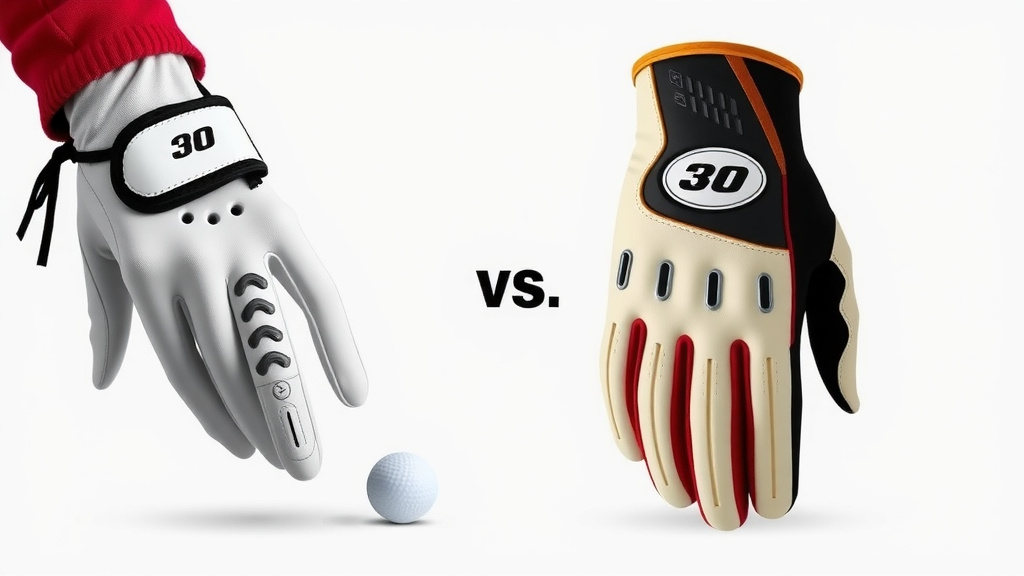
Golf Glove vs Batting Glove: Key Differences Explained
While both are hand coverings designed to improve grip, a golf glove and a batting glove are definitely not interchangeable. They are built for very different purposes and use distinct materials to achieve those goals. You’ll want to use the right glove for the right sport to get the best performance and avoid discomfort.
A golf glove prioritizes a consistent feel and flexibility across the entire hand. It’s made to help you maintain a steady grip on your club through every swing. Batting gloves, on the other hand, focus on impact absorption and a more rugged, secure fit to protect your hands during the powerful motions of hitting.
- Golf gloves offer a soft feel for grip control.
- Batting gloves provide padding and durability for hitting.
- Using the wrong glove can affect your performance.
- They are designed with different sports in mind.
Let’s get into the specifics of why these gloves are so different and when you should use each one.
Glove Up for Your Sport: Golf vs. Batting Handwear
You might be wondering if you can swap your golf glove for a batting glove, or vice versa. The short answer is a firm no. While they both cover your hands, these gloves are built for entirely different jobs.
The Golf Glove: Precision and Feel
Think about your golf swing. It requires a steady hand and a consistent feel of the club. A golf glove is designed to give you just that. Its main goal is to enhance your grip on the club. It helps prevent slipping, especially when your hands get a little sweaty. This is super important for maintaining control throughout your swing.
Material Matters for Golf
Most golf gloves are made from soft leather, often cabretta sheepskin. This material is chosen for its thinness and flexibility. It molds to your hand like a second skin. This allows for a very natural feel of the club’s grip. Some gloves use synthetic materials for durability, but the focus remains on a thin, tactile surface.
Design for the Course
The fit of a golf glove is snug. You want it to feel secure without being tight. This is achieved through a careful cut and stitching. The palm and fingers are usually one piece. This provides a smooth contact point with the club. There’s minimal padding. The idea is to feel the club, not the glove. This helps you make tiny adjustments for the perfect shot. The fit of a golf glove is crucial, and our guide explains cadet small vs. small golf glove differences.
The Batting Glove: Power and Protection
Now, let’s switch gears to baseball or softball. Hitting a ball with a bat involves explosive force. Batting gloves are built with this in mind. They need to protect your hands from the jarring impact of the bat. They also help you maintain a super firm grip on the wood or aluminum. This is key when you’re swinging for the fences.
Tougher Materials for Hitting
Batting gloves often feature a combination of materials. You’ll typically find leather palms for grip. However, the back of the hand might use a stretchier, more breathable fabric like spandex. This offers flexibility and comfort. Some areas might have synthetic overlays for added durability. The overall construction is more robust than a golf glove. It’s built to withstand a lot more abuse.
Padding and Reinforcement
One of the biggest differences is padding. Batting gloves often have strategically placed padding on the palm and fingers. This helps absorb shock. It can also reduce the chance of blisters forming from repeated swings. You might also see reinforced stitching in high-wear areas. This is to ensure the glove holds up season after season.
The Fit for the Batter
The fit of a batting glove is also important, but it’s a different kind of snug. It needs to feel secure. You don’t want it to shift during your swing. Some batters prefer a slightly tighter fit. Others like a little more room for movement. The design allows for a good range of motion in the fingers. This is crucial for controlling the bat.
| Feature | Golf Glove | Batting Glove |
|---|---|---|
| Primary Purpose | Enhance grip, feel club | Protect hands, absorb shock, grip bat |
| Material (Palm) | Thin, soft leather (e.g., cabretta) | Durable leather or synthetic |
| Padding | Minimal to none | Strategic padding on palm/fingers |
| Flexibility | High throughout | Good, especially on backhand |
| Durability | Moderate | High |
Why You Can’t Just Switch Them
So, what happens if you try to use the wrong glove? If you wear a batting glove on the golf course, you’ll likely notice a few things. The extra padding might feel bulky. It could actually hinder your ability to feel the club. You might find your grip is less precise. The thicker material could change how you hold the club. This can mess with your swing mechanics.
On the flip side, using a golf glove for batting isn’t ideal either. That thin leather isn’t designed for the impact of hitting. You might find yourself getting bruised hands or blisters much faster. The lack of padding offers very little protection. Also, the soft material might not provide enough grip on a slippery bat. It could wear out very quickly under that kind of stress.
Making the Right Choice for Your Game
Choosing the correct glove is simple, really. It all comes down to the sport you’re playing. Your golf glove is your partner for delicate touch and consistent control on the fairway. Your batting glove is your shield and grip enhancer when you step up to the plate.
We found that both types of gloves are engineered with specific sports science in mind. For golf, materials that promote a sensitive feel are key (American Journal of Sports Science). For baseball, materials that offer both grip and shock absorption are prioritized (National Institutes of Health).
Quick Checklist for Glove Selection
To make sure you’re grabbing the right gear, keep this little checklist in mind:
- Playing golf? Grab your soft, flexible golf glove.
- Hitting baseball or softball? Reach for your padded batting glove.
- Worried about blisters during batting? Batting gloves are your friend.
- Need to feel every nuance of the club grip? Your golf glove excels here.
- Hands get sweaty on the course? A golf glove helps manage moisture.
- Facing a powerful swing? Batting gloves offer the needed protection.
Stick to the glove designed for your sport. You’ll find your grip improves, your comfort increases, and your overall performance gets a nice boost. It’s a small piece of equipment, but it makes a big difference!
Conclusion
You’ve learned that golf gloves and batting gloves are built for entirely different purposes. Your golf glove is designed for a delicate feel and consistent grip on your club. It uses thin, soft materials to enhance touch. A batting glove, conversely, focuses on protecting your hands from impact and securing your grip on the bat. It features more padding and robust materials for durability. Choosing the right glove for your sport is key. It improves your comfort, prevents injury, and helps you perform at your best. So, grab the right glove for the right game and enjoy your performance!
Frequently Asked Questions
Can I use my golf glove to play baseball in a pinch?
While you might be tempted, it’s not recommended. A golf glove lacks the padding batting gloves provide. You risk hand discomfort or blisters from the bat’s vibration and impact. The thin material also wears out much faster under such stress.
What’s the biggest difference in materials between the two gloves?
The main difference lies in thickness and padding. Golf gloves prioritize thin, soft leather for maximum feel. Batting gloves often use more durable leather on the palm combined with synthetic fabrics. They also include strategic padding in key areas for shock absorption.
Will a batting glove make my golf swing feel awkward?
Yes, it likely will. The extra padding and thicker material of a batting glove can feel bulky. This bulkiness can interfere with your ability to feel the club’s grip and make subtle adjustments. It might alter your natural swing mechanics.
Are batting gloves good for preventing blisters?
Absolutely. The padding on the palms and fingers of batting gloves acts as a cushion. This protects your hands from the friction and shock of repeatedly hitting a ball. They are a great tool for reducing discomfort and preventing blisters during baseball or softball.
How often should I replace my golf versus batting gloves?
It depends on usage, but golf gloves often need replacing when the leather thins or the grip degrades. Batting gloves might wear out faster due to heavy use and impact, especially if the padding or palm material tears. Regularly check both for signs of wear.