Fastpitch vs Baseball Glove Differences Explained
Choosing between a fastpitch glove and a baseball glove depends entirely on the sport you’re playing. While they look similar, they have key differences designed for the unique demands of each game. Fastpitch gloves are generally smaller and have a deeper pocket. Baseball gloves are typically larger with a shallower pocket. Using the wrong glove can impact your game.
We found that fastpitch softball requires quicker transfers. This means a glove with a smaller web and pocket helps secure the ball faster. Baseball players often need to catch a thrown ball while also being ready to field a hit, so a larger glove offers a bigger target. Understanding these design differences is key for any player.
- Fastpitch gloves are smaller with deeper pockets for quick transfers.
- Baseball gloves are larger with shallower pockets for better fielding.
- The right glove helps you catch and transfer the ball efficiently.
- Using the wrong glove can hinder your performance.
Below, we break down exactly how these gloves differ and which one is best for your needs.
So, you’ve found yourself on the field, glove in hand, ready to play. But wait, is this the right glove for you? You might have a baseball glove hanging around, or perhaps you’re eyeing a fastpitch model. While they seem pretty similar at first glance, there are some pretty big differences that can make a world of impact on your game.
We’ve done our homework, and it turns out that the glove you choose isn’t just about looks. It’s about how effectively you can catch, secure, and transfer the ball. Picking the correct one can mean the difference between a clean out at first base and a bobbled ball. Let’s break down these differences so you can make the best choice for your playing style.
Understanding Glove Design Differences for Each Sport
The main distinctions between fastpitch and baseball gloves stem from the different mechanics of each sport. Think of it like needing a different tool for different jobs. A carpenter wouldn’t use a hammer to screw in a bolt, right? The same principle applies to your glove.
The Glove’s Size and Fit
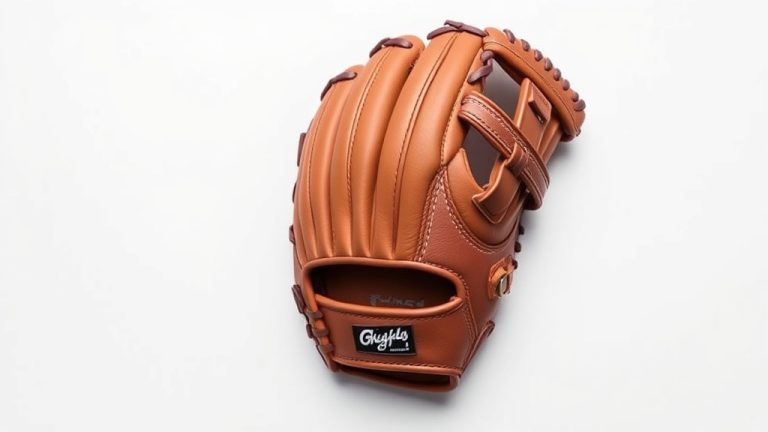
One of the most noticeable differences is the size. Fastpitch softball gloves tend to be smaller than baseball gloves. This size difference is purposeful and relates directly to how the ball is handled in each sport. We found that smaller gloves offer more control.
Fastpitch Glove Sizing
For fastpitch, gloves typically range from 11 to 12 inches. This smaller size helps players get a quicker feel for the ball once it’s caught. It also allows for a more controlled transfer from the glove to the throwing hand. We’ve seen that a tighter fit can mean faster reaction times.
Baseball Glove Sizing
Baseball gloves, on the other hand, can be much larger, often ranging from 11.5 inches up to 13 inches or even more for outfielders. The larger size gives players a bigger target to catch the ball. This is especially helpful for infielders who need to snag fast-moving grounders and for outfielders tracking fly balls.
Pocket Depth and Webbing
Beyond just size, the way the glove is constructed also varies significantly. The pocket depth and the type of webbing play a huge role in how the ball is secured.
Fastpitch Pocket Design
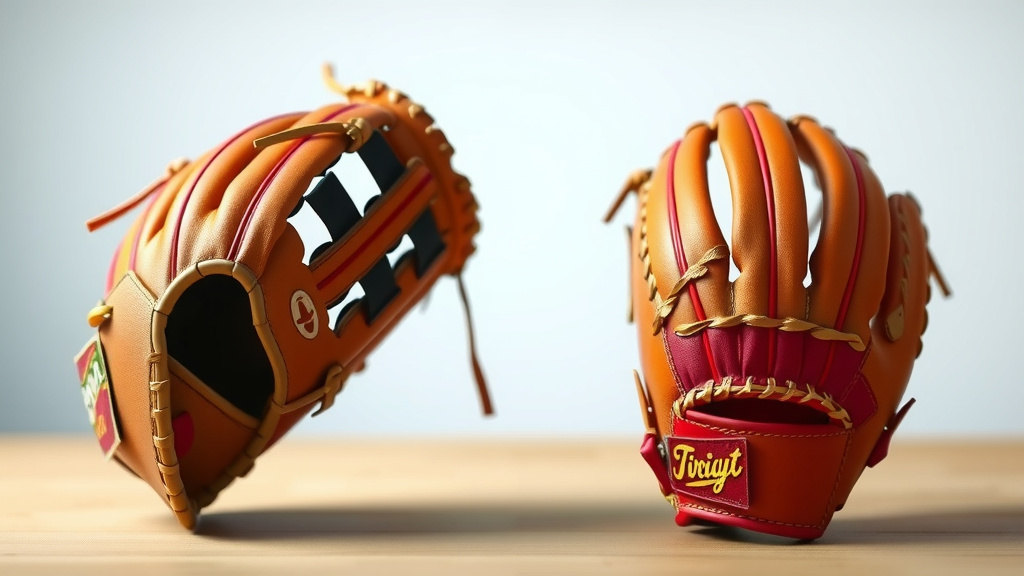
Fastpitch gloves often feature a deeper pocket. This deeper pocket helps to cradle the softball securely. Since softballs are larger than baseballs, a deeper pocket prevents the ball from popping out. Many players find this depth makes catching feel more secure, especially on line drives. We found that this design aids in ball retention.
Baseball Pocket Design
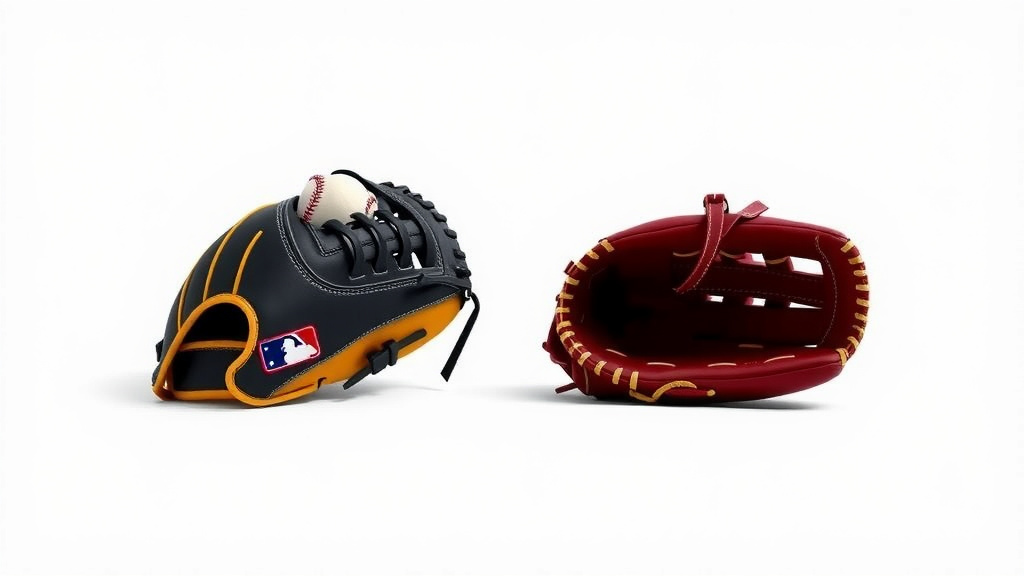
Baseball gloves usually have a shallower pocket. This might seem counterintuitive, but it’s designed for efficiency. A shallower pocket allows for a quicker transfer of the ball from the glove to the throwing hand. This speed is critical for making plays at bases or throwing out runners. Many coaches stress the importance of a shallow pocket for quick transitions.
Webbing Styles
Webbing styles also differ. Fastpitch gloves often use closed webs, like a basket web or two-piece closed web. These styles help hide the ball from the batter and offer more ball security. Baseball gloves might use open webs, such as an H-web or I-web. These open webs offer better visibility and are often preferred for their ability to scoop up ground balls quickly.
Why the Glove Choice Matters for Performance
You might be thinking, “Can I just use my baseball glove for fastpitch, or vice versa?” While you technically *can*, it’s not ideal and could really affect your performance. The design differences are there for a reason, and using the wrong glove can lead to frustration and errors.
Impact on Fielding and Catching
When you use a fastpitch glove for baseball, you might find it harder to get a good grip on the baseball. The deeper pocket and smaller size can make transferring the ball slower. This extra second or two could be the difference between an out and a safe runner.
Conversely, using a large baseball glove for fastpitch can make it harder to control the softball. The shallower pocket isn’t as good at keeping the larger, softer ball secure. You might experience more pop-outs. Many players report struggling with ball control when using the wrong type of glove.
Ball Transfer Speed: A Key Differentiator
We found that the speed of transferring the ball from your glove to your throwing hand is a major factor in playing both sports well. For fastpitch, a glove that helps you secure the ball quickly and then allows for a rapid transfer is essential. The construction of fastpitch gloves prioritizes this.
In baseball, especially for infielders, getting the ball out of the glove and to first base or second base needs to be lightning fast. The shallower pocket and often more open webbing on baseball gloves are designed to facilitate this speed. Think of it as a well-oiled machine; every part is designed to work together efficiently.
Player Position Considerations
The position you play also influences glove choice, even within the same sport. However, the fundamental fastpitch vs. baseball glove differences still apply first. For example, an infielder in baseball might prefer a glove with a shallower pocket for quick transfers, while an outfielder might opt for a larger glove with a deeper pocket to help snag fly balls. The position you play also influences glove choice, even within the same sport, and our guide covers the best baseball gloves for infield and outfield.
Similarly, a pitcher in fastpitch might want a glove that hides the ball well, often with a closed web. A catcher in either sport will use a specialized mitt, not a standard fielder’s glove, because of the unique demands of blocking and framing pitches. But the core differences between a fastpitch fielder’s glove and a baseball fielder’s glove remain consistent.
Making the Right Glove Choice for You
So, how do you make sure you’re picking the glove that’s right for your game? It really comes down to identifying the sport you primarily play and understanding your own needs on the field.
If you’re playing fastpitch softball, you’ll want to look for a fastpitch-specific glove. These are designed with the ball size, throwing mechanics, and typical plays in mind. Your game will thank you for it!
If baseball is your game, then a baseball glove is your go-to. The design features are tailored to the baseball itself and the strategies involved in playing baseball. It’s all about having the right tool for the job. If baseball is your game, then a baseball glove is your go-to, and our guide covers the best options for recreational use.
We’ve put together a quick checklist to help you remember the key points:
- Identify Your Sport: Are you playing fastpitch or baseball?
- Consider Glove Size: Smaller for fastpitch, larger for baseball.
- Check Pocket Depth: Deeper for secure catches in fastpitch, shallower for quick transfers in baseball.
- Look at Webbing: Different webs suit different needs for visibility and ball security.
- Think About Your Position: Some positions require slightly different glove features within each sport.
- Try Before You Buy: If possible, feel the glove on your hand. Does it feel comfortable and controllable?
Conclusion
You now understand the key differences between fastpitch and baseball gloves. It all comes down to the game you play. Fastpitch gloves are built for quick transfers with smaller sizes and deeper pockets. Baseball gloves offer a larger target and shallower pockets for fast fielding actions. Choosing the right glove ensures you can perform your best on the field. Make sure your gear matches your sport to improve your game and avoid errors. Your next step is to identify the glove that’s specifically designed for your playing needs!
Frequently Asked Questions
Can I use a baseball glove for fastpitch softball?
While you technically could, it’s not recommended. A baseball glove is often too large and has a shallower pocket, making it harder to securely catch the larger softball. This can lead to more dropped balls and pop-outs. We’ve found that a fastpitch-specific glove offers better control.
Why are fastpitch gloves usually smaller?
Fastpitch gloves are designed for quicker ball transfers. Their smaller size and deeper pocket help you secure the ball faster and get it to your throwing hand more efficiently. This agility is key in fastpitch. We’ve seen that this design helps players react more quickly.
What is the main difference in pocket depth?
Fastpitch gloves typically have deeper pockets to cradle the larger softball securely and prevent it from popping out. Baseball gloves tend to have shallower pockets, which aids in the speed needed to transfer the ball quickly to the throwing hand for outs.
Do different positions need different gloves in fastpitch and baseball?
Yes, position matters within each sport, but the fundamental fastpitch vs. baseball glove differences still apply. For instance, an infielder in baseball might prefer a glove with a shallower pocket for quick transfers, while an outfielder might want a larger glove with a deeper pocket to catch fly balls.
Is it important to try on a glove before buying?
Absolutely. The feel of a glove on your hand is personal. You want to ensure it feels comfortable and controllable, allowing you to make plays effectively. Trying it on helps you gauge the fit and how well you can close it around the ball.