At What Temperature Are Gloves Needed?
You likely need gloves when the temperature drops to around 40 degrees Fahrenheit or below. While this is a general guideline, personal comfort and activity level play a big role. Your body might start feeling the chill sooner, especially if you’re not moving much.
Beyond just the thermometer reading, consider the conditions. Wind can make it feel much colder than it actually is. Even at slightly warmer temperatures, if your hands are getting cold and numb, it’s probably time for gloves. Protecting your extremities is key to staying comfortable outdoors.
- General rule: 40°F and below.
- Wind chill matters greatly.
- Listen to your body’s signals.
- Cold hands mean it’s time.
Let’s break down when those cozy hand-warmers are your best friends.
“`htmlWhen Should You Reach for Your Gloves?
You’re probably wondering, “At what temperature does my skin start to complain?” The general consensus among experts and seasoned outdoor enthusiasts is that around 40 degrees Fahrenheit is your first warning sign. This is when your hands can begin to lose heat faster than your body can replenish it.
Understanding the “Feels Like” Temperature
The thermometer reading is only part of the story. Have you ever stepped outside on a chilly day and felt like it was much colder than the numbers suggested? That’s likely due to wind chill. Wind acts like a thief, stealing warmth from your skin.
The Impact of Wind Chill
Wind chill can make a 40°F day feel like it’s in the 30s or even colder. This is especially important if you’re engaging in activities where you’re not generating much body heat, like standing around or sitting still. The higher the wind speed, the more pronounced this effect will be. Many sources, including weather services, advise dressing warmer when wind is a factor (National Weather Service).
The Role of Humidity
While wind gets a lot of attention, humidity can also play a subtle role. In very cold, dry air, your skin might feel the chill differently than in cold, damp air. However, for glove-wearing purposes, wind is generally the bigger influencer on your comfort.
Factors Beyond the Thermometer
It’s not just about the numbers on a dial. Several personal and environmental factors influence when you’ll need gloves. Your body’s response to cold is unique, and your surroundings can change everything.
Your Personal Comfort Level
Some people naturally have colder hands than others. You might find your fingers tingling or feeling stiff at temperatures where a friend is perfectly comfortable. Listen to your body! If your hands are starting to feel uncomfortably cold, it’s a clear signal to put on gloves.
Activity Level Matters
Are you planning a brisk walk or a gentle stroll? If you’re exercising vigorously, your body generates more heat, and you might be able to tolerate slightly cooler temperatures without gloves. However, if you’re sitting on a park bench or watching a game, you’ll need hand protection much sooner.
Duration of Exposure
A quick dash from your car to a building might not require gloves even if it’s a bit nippy. But if you plan to be outside for an extended period, especially in temperatures below 40°F, gloves become essential for preventing discomfort and potential cold-related issues.
Consider the Conditions: A Quick Checklist
Before you head out, take a moment to assess the situation. Does your internal “cold meter” start ticking?
- Is the temperature 40°F or lower?
- Is it windy? (Check the wind chill!)
- Will you be moving or staying still?
- How long will you be outdoors?
- Do your hands typically get cold easily?
- Are you already feeling a slight chill in your fingers?
What Happens When Hands Get Too Cold?
Your body is designed to protect your vital organs. When exposed to cold, it prioritizes keeping your core temperature stable. This means it might reduce blood flow to your extremities, like your fingers and toes, to conserve heat. This can lead to that familiar numbness and tingling sensation.
The Progression of Cold Hands
Initially, your hands might just feel cool. As they get colder, you might notice a loss of dexterity – it becomes harder to grip things or perform fine motor tasks. Beyond discomfort, prolonged exposure can lead to more serious issues.
Chilblains and Frostnip
If your hands remain cold for too long, you can develop chilblains, which are small, itchy, painful swellings on the skin. Frostnip is a milder form of frostbite, where the skin turns red and then white or grayish. It can cause a temporary loss of sensation. This is your body’s way of screaming for warmth (Mayo Clinic).
Understanding Frostbite Risk
While frostbite is more common at much lower temperatures or with prolonged exposure in milder cold, it’s good to be aware of the risks. Protecting your hands is the easiest way to avoid these problems altogether. Think of gloves as your first line of defense!
Choosing the Right Gloves for the Job
Once you’ve decided you need gloves, the next question is: which ones? The best glove for you depends on the temperature and your planned activity.
Lightweight vs. Insulated Gloves
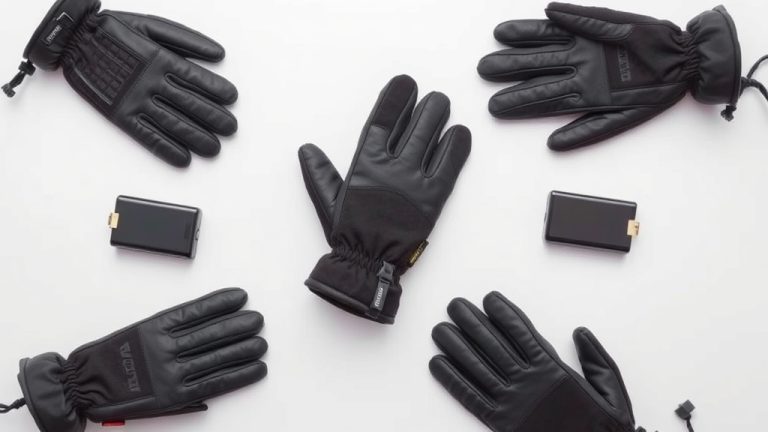
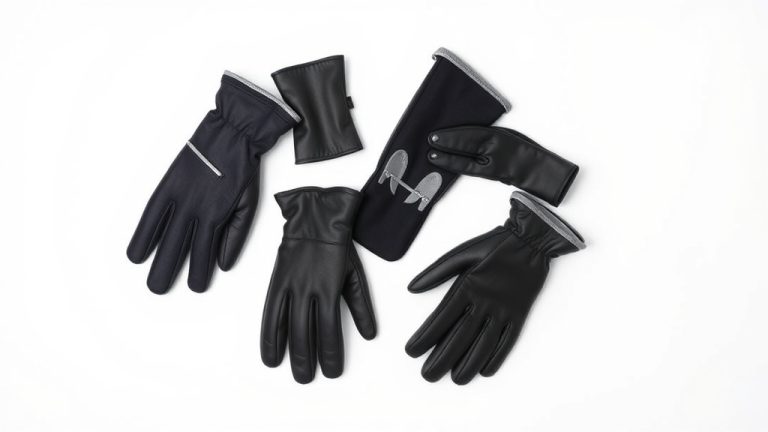
For those days where it’s just a bit crisp, perhaps in the 30s and 40s, a simple pair of lightweight gloves or liners might be enough. These offer a bit of warmth and wind protection. As temperatures drop further, or if it’s very windy, you’ll want something more insulated. Ski gloves or thick wool gloves are great for colder conditions.
| Temperature Range (°F) | Glove Recommendation | Best For |
|---|---|---|
| 40-50°F | Lightweight gloves, liners | Mild chill, short walks |
| 30-40°F | Insulated gloves, fleece-lined | Moderate cold, longer outdoor activities |
| 20-30°F | Warm insulated gloves, mittens | Cold weather, windy conditions |
| Below 20°F | Heavily insulated, waterproof gloves/mittens | Extreme cold, snow, prolonged exposure |
Mittens vs. Gloves: A Classic Debate
Mittens are generally warmer than gloves because your fingers share heat inside the mitten. However, gloves offer better dexterity. If you need to use your phone or tie your shoes, gloves are the practical choice. For pure warmth, especially in very cold weather, mittens often win.
“`Conclusion
When the temperature dips to around 40°F, it’s your cue to start thinking about gloves. Remember that wind chill can make it feel much colder than the thermometer says. Your personal comfort and how active you’ll be outdoors are also big factors in deciding when to wear them. Don’t ignore those signals of cold or numb fingers; they mean it’s time to protect your hands.
For your next outdoor adventure, take a moment to assess the conditions and listen to your body. Grab your gloves before your hands get uncomfortably cold, and you’ll be much warmer!
Frequently Asked Questions
At what temperature do my hands start to get dangerously cold?
While discomfort can begin around 40°F, danger is generally associated with much lower temperatures or prolonged exposure. Frostnip, a precursor to frostbite, can occur when skin temperatures drop significantly. Wearing gloves at the first sign of cold helps prevent more serious issues.
Can humidity affect how cold my hands feel?
Yes, humidity can play a role, though wind is typically a more significant factor. In very cold and damp conditions, your hands might feel colder and lose heat more rapidly than in dry cold. Always consider wind chill first, but be aware that dampness can add to the chill.
I have Raynaud’s. When should I wear gloves?
If you have Raynaud’s phenomenon, you should wear gloves at much warmer temperatures than the average person, often starting around 50-60°F, or even higher if it’s windy. Your body’s reaction to cold is more sensitive, so protect your hands preemptively.
Are mittens really warmer than gloves?
Generally, yes. Mittens keep your fingers together, allowing them to share warmth and stay warmer than when they are separated in gloves. However, gloves offer much better dexterity for tasks like using your phone or tying laces.
How do I know if my gloves are warm enough for the cold?
Check the glove’s insulation rating or material. For temperatures below freezing, look for insulated gloves made from materials like fleece, wool, or synthetic fill. Waterproof outer shells are also essential in wet or snowy conditions to keep your hands dry and warm.