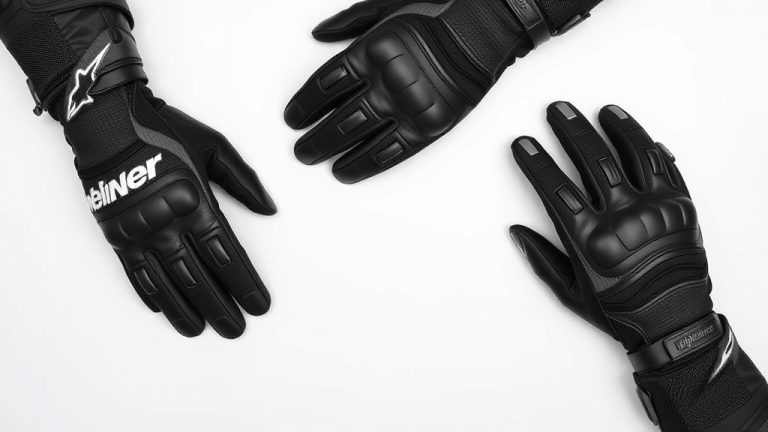
Bag Gloves vs Training Gloves: Key Differences
When you’re hitting the heavy bag or sparring, knowing whether to grab bag gloves or training gloves makes a big difference. Bag gloves are best for bag work and drills because they offer less padding and more feel for your punches. Training gloves, often called sparring gloves, provide thicker padding to protect both your hands and your training partner.
Choosing the right glove type ensures you get the best protection and performance for your training session. Using the wrong gloves can lead to hand injuries or reduce the effectiveness of your workouts. We found that understanding these distinctions is key for any boxer, whether you’re a beginner or a seasoned pro looking to optimize your gear.
- Bag gloves are lighter and offer less padding for better feel on the heavy bag.
- Training gloves (sparring gloves) have more padding to protect hands and partners.
- Using the right glove prevents injuries and improves your training.
- Your choice depends on whether you’re doing bag work or sparring.
Let’s break down the key differences so you can pick the perfect pair for your next workout.
You’ve got your workout planned, your water bottle is full, and you’re ready to get after it. But wait, which gloves should you grab from your gym bag? It might seem like a small detail, but picking the right glove type can seriously impact your training experience. We found that many people are confused about bag gloves versus training gloves. Let’s clear that up so you can protect your hands and get the most out of every punch.
Understanding Your Boxing Glove Options
Choosing between bag gloves and training gloves is all about matching the glove to the task. Think of it like using different tools for different jobs. You wouldn’t use a hammer to stir your coffee, right? The same principle applies to boxing gloves. Your needs change depending on whether you’re working the heavy bag or sparring with a partner.
What Are Bag Gloves For?
Bag gloves are your go-to for heavy bag work. They are designed to give you a more direct feel of the bag. This means they have less padding than other types of gloves. You get a better sense of impact. This can help you refine your technique and power. We found that using bag gloves can actually improve your punch form. They let you feel each connection more keenly.
What Are Training Gloves (Sparring Gloves)?
Training gloves, often called sparring gloves, are built for protection during partner drills. Your safety and your partner’s safety are the top priorities here. These gloves feature much thicker padding. This is especially true around the knuckles and wrists. This extra cushioning absorbs the shock of blows. It helps prevent injuries for both you and the person you’re training with. Many experts say that adequate padding is key to injury prevention (Cleveland Clinic).
| Glove Type | Primary Use | Padding Level | Feel/Feedback | Protection Level |
|---|---|---|---|---|
| Bag Gloves | Heavy Bag Work, Pad Work | Less Padding | Higher (More feel) | Good for hand protection on bags |
| Training Gloves (Sparring Gloves) | Sparring, Partner Drills | More Padding | Lower (Less feel, more cushion) | Excellent for hand and partner protection |
Key Differences Explained
The most obvious difference lies in the amount of padding. Bag gloves have a slimmer profile. This allows for a more direct and focused impact when you hit the bag. Training gloves are bulkier. Their primary purpose is to absorb and distribute force.
Another key factor is the wrist support. While both types of gloves offer some wrist support, training gloves often have more robust closure systems. This might be wider Velcro straps or lace-ups. This extra support is vital when absorbing heavy shots during sparring. We found that good wrist support can help prevent sprains and other common injuries.
Padding Thickness Matters
Bag gloves typically range from 4 to 10 ounces. The lower end of this range is for lighter bag work. The higher end offers a bit more cushion. Training gloves, on the other hand, are usually 12 ounces or heavier. The 16-ounce glove is a very common choice for sparring. This increased weight is directly related to the extra padding.
Wrist Support Features
When you’re sparring, your wrists take a beating. You need gloves that keep them stable. Training gloves often have longer cuffs and wider straps. This helps to immobilize the wrist joint. This reduces the risk of hyperextension. Bag gloves might have simpler wrist closures. They offer adequate support for hitting inanimate objects but not for absorbing punches.
When to Use Bag Gloves
If your main goal for the session is to pound on the heavy bag or strike focus mitts, bag gloves are your best bet. They help you develop speed and power. You can really feel your punches connect. This feedback loop is important for learning. We found that this direct feedback helps improve your accuracy and technique.
They are also generally lighter. This allows for quicker combinations. You can throw more punches in a round without tiring as quickly. Think of them as precision instruments for bag work.
When to Use Training Gloves
You should always reach for training gloves when you are sparring. This means any time you are exchanging punches with another person. The extra padding is non-negotiable. It protects your hands from the impact of hitting bone and ensures your partner doesn’t get injured. Medical research consistently highlights the importance of proper protective gear in combat sports to minimize head and hand trauma (NCBI).
These gloves are also great for general conditioning workouts. If you’re doing a circuit that involves hitting the bag and then some partner drills, training gloves offer a good balance. They provide enough protection for both activities. They are the versatile workhorse of your boxing gear.
Can You Use Bag Gloves for Sparring?
Absolutely not. We cannot stress this enough: never use bag gloves for sparring. They simply do not offer enough protection for your partner. Hitting someone with less padded gloves can cause serious injury. This includes cuts, bruises, and even broken bones. It’s a safety hazard for everyone involved.
Can You Use Training Gloves for Bag Work?
Yes, you absolutely can use training gloves for bag work. Many people do! They offer excellent protection for your hands. However, they might feel a bit bulkier and less responsive on the bag. You might not get that same precise feedback. Some people find that the extra padding can slightly dampen the feel of their punches. But for general fitness and safety, they work just fine.
Think of it this way: training gloves are like a well-padded couch. They’re comfortable and safe for lounging. Bag gloves are more like a firm, supportive chair. They’re great for focused activity and give you a better sense of what’s happening. You can sit in the chair all day, but the couch is for maximum comfort.
Choosing the Right Weight
Glove weight is often measured in ounces. This weight primarily comes from the padding inside. Heavier gloves mean more padding. For bag work, 10-14 ounce gloves are common. For sparring, 14-16 ounce gloves are the standard. Some lighter individuals might use 12-ounce sparring gloves. Always check with your gym or coach for specific recommendations. Safety guidelines often suggest specific weights for different training activities.
Your Glove Checklist for Training Success
Here’s a quick rundown to help you pick the right pair:
- Heavy Bag? Grab bag gloves for better feel and feedback.
- Sparring Partner? Always use training/sparring gloves for protection.
- Need Versatility? Training gloves work for both, but feel less precise on the bag.
- Hand Pain? More padding from training gloves can help.
- Protecting Your Partner? Training gloves are essential.
- Gym Rules? Always follow your gym’s specific glove requirements.

Conclusion
Choosing the right boxing gloves is key to your training success and safety. Remember, bag gloves are for perfecting your striking on the heavy bag, offering better feel. Training (or sparring) gloves provide the essential padding needed to protect yourself and your partners during partner drills. We’ve seen how the differences in padding and wrist support directly impact performance and injury prevention. Make the smart choice for your next session: select gloves that match your activity to train smarter and safer.
Frequently Asked Questions
Can I use my gym’s loaner gloves for both bag work and sparring?
It’s generally best to avoid using generic loaner gloves for both activities if possible. While convenient, they might not offer the ideal balance of feel and protection. Ideally, you’d want dedicated bag gloves for heavy bag sessions and training gloves for sparring to ensure optimal safety and technique development.
How do I know if my bag gloves are protecting my hands enough?
If you experience persistent hand pain or soreness after bag work, your bag gloves might not be sufficient. Look for gloves with a bit more padding within the bag glove category. Pay attention to the fit; they should feel snug but not overly tight. If pain continues, it’s wise to consult a coach or medical professional.
What’s the difference in weight between bag gloves and training gloves?
Bag gloves typically range from 4 to 10 ounces, offering a lighter feel for speed and precision. Training gloves are heavier, commonly ranging from 12 to 16 ounces (or more). This extra weight comes from increased padding designed to absorb impact during sparring.
Will using heavier training gloves improve my punching power?
While heavier training gloves add resistance, they don’t directly increase your raw punching power. Their main function is protection during sparring. Building power comes from consistent training, proper technique, and conditioning, not just glove weight.
Are there any alternatives to traditional boxing gloves for heavy bag work?
For heavy bag work, besides bag gloves, some people use weighted gloves or even MMA gloves for a different feel. However, for maximum hand protection and developing proper punching form, dedicated bag gloves are generally recommended. MMA gloves offer less wrist support and protection compared to boxing gloves.