Baseball vs Football Gloves: The Difference
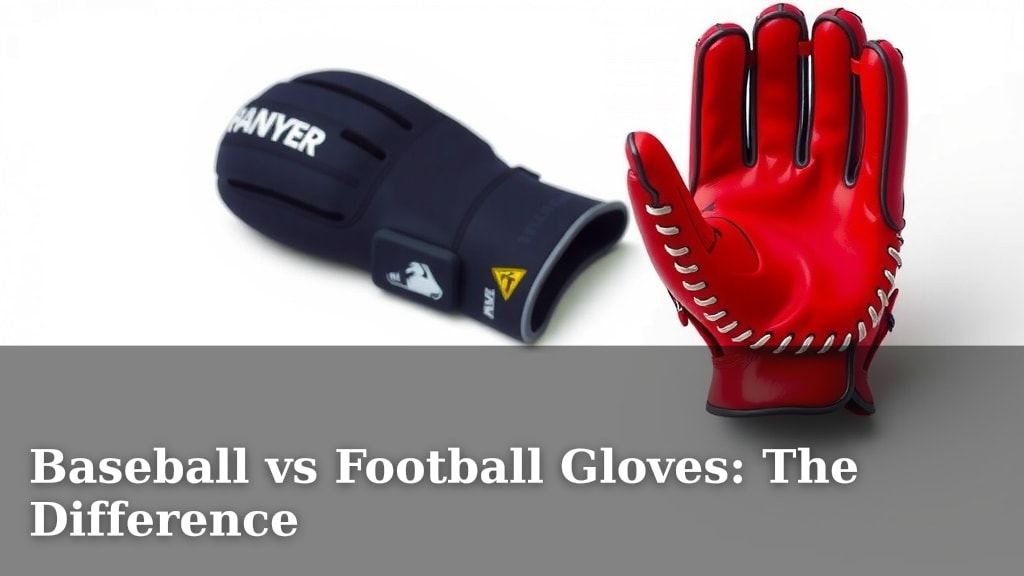
Baseball gloves and football gloves are built for very different jobs. A baseball glove is designed to help you catch a small, hard ball, while a football glove is made to help you grip a larger, oblong ball. They look and feel quite different because of this.
Think about the action: a baseball requires a glove with a large pocket to cushion the impact of a thrown ball. A football needs gloves that offer superior grip for throwing and catching, often in slippery conditions. We found that understanding these core functions helps explain all the other differences.
- Baseball gloves are for catching.
- Football gloves are for gripping.
- Baseball gloves have deeper pockets.
- Football gloves have sticky palms.
Let’s break down exactly how these differences play out and which glove is right for which sport.
Understanding the Core Differences in Baseball and Football Gloves
You might think gloves are gloves, right? But when you look closely, baseball and football gloves serve wildly different purposes. We found that their design hinges on the ball they’re meant to interact with. A baseball glove is all about catching a small, hard projectile. A football glove, on the other hand, focuses on gripping a larger, oblong ball. This fundamental difference shapes everything else.
Let’s dive into what makes each glove unique and why they aren’t interchangeable.
Baseball Gloves: Built for the Catch
The primary job of a baseball glove is to act as a larger, padded hand to snag a fast-moving baseball. Think about the impact of a 90 mph fastball hitting your bare hand! It would sting, to say the least. Baseball gloves are engineered to absorb that shock and make the catch easier.
The Baseball Glove Pocket: A Deeper Dive
One of the most striking features of a baseball glove is its deep pocket. This pocket is crucial for a few reasons. Firstly, it helps secure the ball after impact. You don’t want the ball popping out, do you? Secondly, the depth provides extra padding between the ball and your hand. We found that this extra cushion significantly reduces the sting of hard-thrown balls.
The webbing between the thumb and forefinger also plays a big role. It creates a larger surface area for catching and adds to the glove’s overall depth. Many designs feature different types of webbing, each offering slightly different benefits for ball security and visibility.
Material Matters for Baseball Gloves
Most high-quality baseball gloves are made from leather. Leather offers a great balance of durability and flexibility. It molds to your hand over time, creating a more personalized fit. However, new materials are emerging, offering lighter weight and even better padding. We found that some synthetic materials can be more water-resistant, which is a nice bonus for playing in damp conditions.
Size and Fit: Tailoring Your Baseball Glove
Baseball glove sizing is usually based on age and position. Infielders often prefer smaller gloves for quicker transfers. Outfielders tend to like larger gloves for reaching fly balls. Catchers and first basemen use specialized mitts that have even more padding and a different shape altogether. Getting the right size is key for comfort and performance on the field.
Football Gloves: Designed for Grip and Control
Now, let’s switch gears to football gloves. Their main goal isn’t absorbing impact, but rather giving you a better hold on the football. Whether you’re a quarterback looking to make a perfect spiral or a receiver snagging a pass, grip is everything.
The Sticky Palm: Football Glove’s Secret Weapon
The defining characteristic of most football gloves is their sticky palm. These palms are often made with special synthetic materials or coatings designed to increase friction. We found that this sticky surface is what allows players to maintain a firm grip, even when the ball is wet or slippery. Think about trying to hold onto a slick watermelon – that’s the kind of challenge these gloves are built to overcome!
Flexibility and Dexterity for Football Players
Unlike baseball gloves, football gloves are typically thinner and more form-fitting. This design prioritizes finger dexterity and feel. Quarterbacks need to feel the ball when they throw, and receivers need to close their hands around it securely. Many football gloves feature a snug fit that feels almost like a second skin.
The back of the glove is often made from a breathable, stretchy fabric. This allows for a full range of motion without restriction. We found that many players prefer gloves that don’t feel bulky, allowing them to maintain a good feel for the ball.
Protection: A Different Kind of Padding
While football gloves aren’t designed for the same kind of impact absorption as baseball gloves, they do offer some protection. Many have light padding on the knuckles or the back of the hand. This can help prevent minor scrapes and bruises. However, their primary focus remains on enhancing grip, not cushioning major impacts.
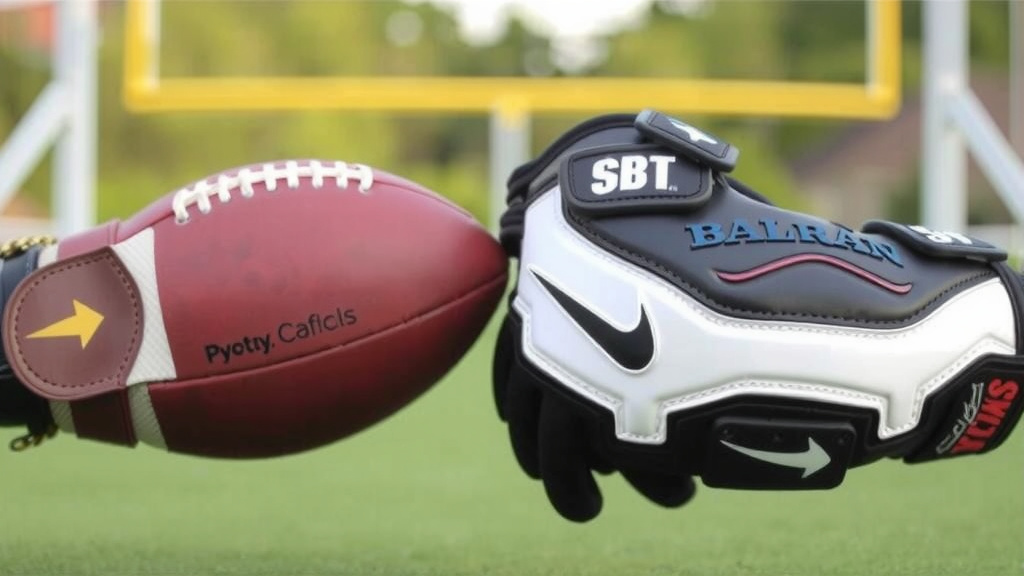
Key Differences at a Glance
To help you visualize the distinctions, let’s lay them out side-by-side. We found that these core differences explain why you wouldn’t want to wear a football glove on a baseball field, or vice-versa.
| Feature | Baseball Glove | Football Glove |
|---|---|---|
| Primary Function | Catching and cushioning impact | Gripping and ball control |
| Palm Material | Leather, often with padding | Sticky synthetic materials |
| Pocket Depth | Deep and wide | Shallow, designed for feel |
| Flexibility | Stiffer, breaks in over time | Very flexible, form-fitting |
| Padding | Significant padding for impact | Light padding for minor protection |
Choosing the Right Glove for Your Sport
So, which glove is right for you? The answer is pretty straightforward: it depends on the sport you’re playing. Using the wrong glove can hinder your performance and even lead to injury. A baseball glove, with its deep pocket and padding, is fantastic for catching those hard line drives. But it would likely feel clumsy and offer very little grip on a football. Likewise, a football glove’s sticky palm might wear out quickly on a baseball, and its lack of deep padding means you’d feel every bit of a fastball.
When to Use Your Baseball Glove
- You are playing baseball or softball.
- You need to catch a small, hard ball.
- You want to protect your hand from impact.
- You need a deep pocket to secure the ball.
When to Reach for Your Football Gloves
- You are playing football.
- You need to throw or catch a football with better grip.
- You are playing in wet or slippery conditions.
- You prefer a glove that feels like a second skin.
- You want enhanced control over the ball.
We found that understanding these core design principles makes it clear why specialized gloves exist for each sport. They are meticulously crafted tools, each optimized for a very specific task on the field.
Conclusion
You’ve seen how baseball gloves and football gloves are designed with specific sports in mind. A baseball glove excels at catching with its deep pocket and padding. A football glove shines with its sticky palm for superior grip and control. These aren’t interchangeable tools; they are specialized equipment. Using the right glove ensures you play your best and stay safe. Now you know exactly why these gloves look and feel so different. Make sure you grab the correct glove for your next game!
Frequently Asked Questions
Can I use a football glove for baseball?
No, you really shouldn’t use a football glove for baseball. They lack the deep pocket needed to catch a baseball and don’t offer enough padding to protect your hand from impact. You’d likely feel every bit of a fastball, and securing the ball would be very difficult.
Will a baseball glove help me grip a football better?
A baseball glove won’t improve your football grip. Its smooth leather palm is designed for catching, not for the sticky, friction-based grip a football requires. The bulky nature of a baseball glove would also make throwing and catching a football much more awkward.
Why are football gloves so thin and flexible?
Football gloves are made thin and flexible to give players maximum dexterity and feel for the ball. This allows quarterbacks to better sense the ball when throwing and receivers to securely wrap their hands around a pass, even in wet conditions.
Do football gloves offer much protection?
Football gloves offer minimal protection, mostly against minor scrapes and bruises on the knuckles. Their primary purpose is grip enhancement, not absorbing the hard impacts you’d experience catching a baseball.
How do I know if my baseball glove is broken in enough?
Your baseball glove is broken in when it feels comfortable and the pocket is deep enough to easily secure a ball. It should feel like an extension of your hand. You should be able to close the glove around a ball without too much effort.