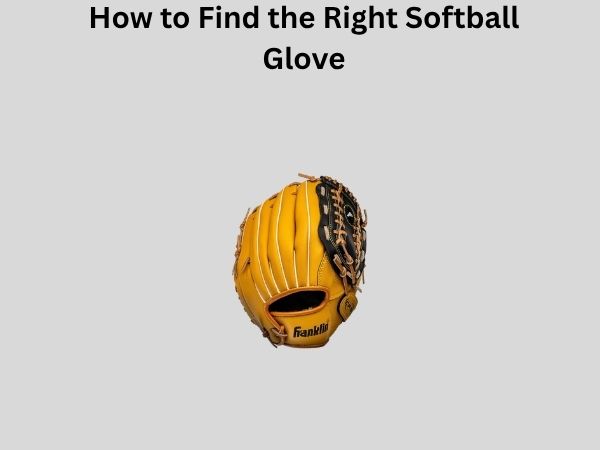
How to Find the Right Softball Glove: Your Complete Guide to Making the Perfect Choice
Finding the right softball glove can feel like searching for a needle in a haystack, especially when you’re standing in a sporting goods store surrounded by dozens of options. But here’s the thing—choosing the correct glove doesn’t have to be complicated. Whether you’re a seasoned player stepping up to a new position or a newcomer just starting your softball journey, understanding what makes a glove the right fit for you is absolutely crucial. A quality glove becomes an extension of your hand, improving your confidence at the plate and your performance on the field. Let me walk you through everything you need to know.
Understanding Softball Glove Basics: What Every Player Should Know
Before you even think about shopping, let’s establish some foundational knowledge. A softball glove isn’t just any piece of equipment—it’s a specialized tool designed to catch, field, and protect your hand during gameplay. Unlike baseball gloves, softball gloves have subtle but important differences that make them uniquely suited for the sport. Understanding these basics puts you ahead of the game when making your selection.
The Key Differences Between Softball and Baseball Gloves
Many beginners mistakenly think a baseball glove will work just fine for softball. That assumption could cost you performance and comfort. Softball gloves are typically larger than baseball gloves because, well, softballs are bigger. A standard softball has a circumference of 12 inches, while baseballs measure about 9 inches around. This size difference means you need extra room in your glove’s pocket and a wider opening to accommodate the larger ball effectively.
The padding in softball gloves also differs. Softball gloves generally have more cushioning to absorb the impact of a heavier ball traveling at considerable speeds. The leather quality, web design, and overall structure are optimized specifically for softball play. Using the wrong type of glove isn’t just uncomfortable—it can actually affect your fielding ability and increase your risk of hand injuries.
Materials Matter: What Your Glove Should Be Made From
Glove construction directly impacts durability, comfort, and performance. Most quality softball gloves are made from genuine leather, and for good reason. Leather molds to your hand over time, becoming more comfortable with use. It also provides superior durability compared to synthetic materials, though it requires more maintenance.
You’ll encounter several leather options when shopping. Premium full-grain leather offers the best longevity and develops character over time. Top-grain leather provides excellent durability at a more affordable price point. Many mid-range gloves use a combination of leather and synthetic materials, which can offer good value without sacrificing too much quality. Budget options might feature mostly synthetic materials, which are lighter but tend to wear out faster.
Determining Your Glove Size: The Critical Measurement
Size is perhaps the most important factor when selecting a softball glove, and it’s often where people go wrong. A glove that’s too small restricts your hand movement and makes catching difficult. A glove that’s too large feels clumsy and uncontrollable. You need that Goldilocks zone—just right.
How Glove Sizes Are Measured and Labeled
Softball gloves are measured in inches, typically ranging from 12 to 14 inches for most adult players. This measurement goes from the tip of the longest finger to the bottom of the heel. The size is usually printed on the glove’s tag or palm. Don’t confuse this with hand size—your actual hand measurements and your glove size are two different things entirely.
Here’s where it gets interesting: there’s no universal standard across all manufacturers. One brand’s 12-inch glove might fit slightly different from another brand’s 12-inch glove. This variability is one reason why trying on gloves before purchasing is so valuable, though online shopping is certainly possible if you know what you’re doing.
Recommended Glove Sizes by Position
Your position on the field influences what size glove works best for you. Think about it logically—a catcher needs different coverage than an outfielder, right?
- Pitcher and Infielders: Typically use 12 to 12.75-inch gloves. These positions require quick transitions and precise ball control, so a slightly smaller glove allows for faster movements.
- Outfielders: Often prefer 13 to 14-inch gloves. The extra reach helps cover more ground and makes those long fly balls easier to snag.
- Catchers: Use specialized catcher’s mitts, which are different from standard gloves and aren’t measured in the same way.
- Youth Players: Generally start with 10.5 to 11.5-inch gloves, adjusting as hands grow and skills develop.
Finding Your Perfect Fit: The Hand Measurement Method
Want to get a baseline for your ideal glove size? Grab a measuring tape and measure from the tip of your middle finger to your wrist crease. This gives you a starting point. If you measure 7 inches, a 12-inch glove is usually appropriate. At 7.5 inches, you might prefer a 12.75 or 13-inch glove. At 8 inches or more, a 13 or 14-inch glove becomes more suitable.
Remember though, this is just a starting point. Your actual hand size doesn’t perfectly correlate to glove size because glove sizing also accounts for padding thickness and internal structure. This is why trying on multiple gloves is genuinely helpful.
Evaluating Web Designs: Form Meets Function
The web is that section between your thumb and fingers that you see on every glove. It’s not just there for looks—the web design significantly affects how you catch and control the ball. Different web styles suit different playing styles and preferences.
Popular Web Designs and Their Advantages
The H-web features an H-shaped opening and offers a good balance between visibility and ball control. Many players appreciate the structural support it provides. You can see through the web reasonably well, which helps you track the incoming ball clearly.
The I-web has a single vertical opening, providing maximum visibility. If you like watching the ball right into your glove’s pocket, this design is fantastic. Pitchers especially favor I-webs because they need to see their fingers for grip control.
The closed web offers complete pocket closure and provides the maximum ball control. Some players love this design because it prevents the ball from popping out unexpectedly. However, you lose visibility, which some people find uncomfortable.
The cross-web resembles an X pattern and provides a middle ground between visibility and control. It’s versatile and works well for multiple positions.
The web design you choose comes down to personal preference and what feels natural when you simulate catching motions. Some players swear by one design, while others find multiple designs equally functional.
Comfort and Fit: How Your Glove Should Feel
A glove might look impressive and have the right measurements, but if it doesn’t feel comfortable, it’s not the right choice. Your glove will spend entire games on your hand, and discomfort distracts you from the game itself.
Testing the Break-in Period and Initial Feel
When you first put on a new glove, it shouldn’t feel perfect—and that’s completely normal. Quality leather gloves need a break-in period where the leather softens and molds to your hand’s unique shape. However, there’s a difference between needing a break-in and being genuinely uncomfortable.
Your glove should fit snugly without pinching. The palm should contact your hand without pressure points that leave marks. Your fingers should reach the finger stalls comfortably—not so far that they’re loose, but not so tight that your circulation feels restricted. When you make a fist inside the glove, you should feel secure and supported.
The Wrist Closure and Support System
The wrist closure keeps your glove secure during play and prevents it from sliding around on your hand. Different gloves use different closure systems. Some feature traditional laces that you tie, others use velcro straps, and some use combination systems.
Velcro closures offer convenience and quick adjustability during games. Lacing provides a more customizable fit and typically lasts longer. Some players prefer the security of lacing for competitive play. Whatever closure system you choose, it should feel secure without cutting off circulation or feeling restrictive.
Leather Quality and Durability Considerations
Not all leather is created equal, and the quality of your glove’s leather directly impacts how long it lasts and how well it performs.
Identifying High-Quality Leather
Premium leather feels supple and soft to the touch, even when brand new. It has a consistent color and texture without blemishes or irregularities. Running your hand across the leather should feel smooth, and it should show no signs of cracking or peeling.
When you bend the leather, it should flex naturally without resistance. Poor-quality leather often feels stiff and plasticky. It might also have that strong chemical smell that suggests it’s been treated heavily with sealants, which can make the leather stiff and uncomfortable.
Understanding Leather Treatment and Maintenance
Quality leather requires care. You’ll want to use leather conditioner regularly, especially after exposure to moisture. This keeps the leather supple and prevents it from drying out and cracking. Never leave your glove in direct sunlight for extended periods—the UV rays can fade the color and damage the material.
Store your glove in a cool, dry place. Many serious players use glove bags or dedicated storage to protect their equipment. With proper care, a quality leather glove can last for several seasons, improving with age.
Budget Considerations: Finding Value Without Sacrificing Quality
Softball gloves come at every price point imaginable. You can spend fifty dollars or five hundred dollars depending on your choices. Understanding where your budget should go helps you make smart decisions.
Entry-Level Gloves for Beginners
If you’re just starting out, you don’t need to drop serious money immediately. Entry-level gloves in the fifty to one-hundred-dollar range can serve you well while you’re learning the basics. These gloves might have synthetic materials or lower-grade leather, but they’re functional for practice and casual play.
The advantage of starting with a budget-friendly option is that you can experiment and determine your preferences without a massive financial investment. If you discover you don’t enjoy softball, you haven’t spent a fortune. If you do love it, you can upgrade to something nicer.
Mid-Range Gloves for Serious Players
Once you’re committed to the sport and playing regularly, investing in a mid-range glove between one hundred fifty and three hundred dollars makes sense. These gloves typically feature quality leather, better construction, and superior durability. They’ll last multiple seasons with proper care and perform reliably during games.
Premium Gloves for Competitive Athletes
If you’re playing at a competitive level or simply want the absolute best equipment, premium gloves ranging from three hundred to five hundred dollars offer top-tier materials and craftsmanship. These gloves are designed by experienced manufacturers using research-backed specifications.
However, here’s an honest truth: more expensive doesn’t always mean better for your specific situation. A five-hundred-dollar glove won’t make you a better player if a two-hundred-dollar glove fits you perfectly. The most expensive option is the best value when it matches your needs and preferences.
Brand Reputation and Manufacturer Differences
Several established brands dominate the softball glove market, each with distinct characteristics and loyal followings.
What Different Manufacturers Specialize In
Some manufacturers focus on affordability without sacrificing too much quality. Others emphasize innovation and cutting-edge design. Some brands have deep roots in softball tradition and sponsor professional players. Research what each brand offers and read reviews from players similar to you.
Popular brands include Wilson, Rawlings, Louisville Slugger, Mizuno, and several others. Each has strengths and weaknesses. Wilson might offer excellent infielder gloves but slightly heavier outfielder models. Rawlings might provide superior leather quality but cost more. No single brand is objectively best—the best brand is the one that makes gloves fitting your requirements.
New Versus Established Brands
Newer manufacturers sometimes offer innovative designs and competitive pricing, but they might not have the reputation for longevity. Established brands have proven track records and customer service experience. Neither option is inherently better—it depends on your risk tolerance and preferences.
The Try-On Process: Getting It Right at the Store
If possible, visit a store where you can try on multiple gloves. This experience is invaluable and helps you avoid expensive mistakes.
What to Do During Your Store Visit
Put on several gloves in your estimated size range. Wear them for at least a few minutes while you simulate catching motions. Pretend you’re fielding ground balls and fly balls. Notice how the glove responds to your movements. Does it feel secure? Can you move your fingers freely? Is the pocket depth appropriate?
Ask the store staff questions. Most sporting goods employees have experience and can provide valuable insights. They might suggest options you hadn’t considered or point out details you missed. Don’t be shy about asking them to show you different web designs and closure systems.
If you’re buying for a different sport or position than you typically play, mention this. Staff can recommend gloves specifically suited for those applications.
Questions to Ask Yourself While Trying On Gloves
- Does the glove feel snug without being restrictive?
- Can I see the ball clearly enough with this web design?
- Does the padding feel appropriate, or is it too thick or too thin?
- Can I close the glove smoothly and securely?
- Does the wrist closure feel comfortable?
- Do my fingers reach the finger stalls appropriately?
- Does the glove balance well on my hand?
- Can I imagine playing an entire game comfortably in this glove?
Online Shopping Tips: Making Smart Purchases Without Trying On
Sometimes shopping online is necessary or preferred. You can absolutely buy a great glove online if you approach it strategically.
Leveraging Reviews and Detailed Descriptions
Read customer reviews carefully, especially from people describing their hand size and position. Look for consistent feedback patterns. If dozens of reviews mention the glove runs small, that’s valuable information. If reviewers praise the break-in period and comfort, that suggests quality construction.
Study product photos and descriptions. Many online retailers provide measurements and sizing guides. Some include comparison charts showing how their gloves stack up against competitors. Use these resources to make informed decisions.
Return Policies and Sizing Guarantees
Purchase from retailers with generous return policies. If the glove doesn’t fit as expected, you want the option to exchange it without losing money. Some manufacturers offer thirty-day return windows; others offer longer periods. This flexibility is important when buying without trying on first.
Check if the retailer offers sizing guarantees. Some will exchange your glove for a different size if it doesn’t fit properly. This safety net makes online shopping much less risky.
Breaking In Your New Glove: From Stiff to Supple
Congratulations—you’ve found the right glove and purchased it. Now