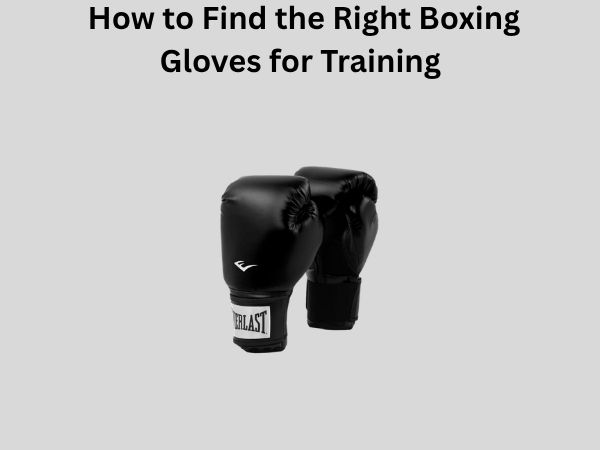
Safety First: How to Find the Right Boxing Gloves for Training
When you’re stepping into the ring or heading to your local boxing gym for the first time, one of the most critical decisions you’ll make isn’t about your footwork or your stance—it’s about what you put on your hands. Finding the right boxing gloves can feel overwhelming, especially when you’re staring at a wall of options in a sporting goods store or scrolling through endless online listings. But here’s the thing: choosing the wrong gloves can lead to injuries, discomfort, and honestly, a pretty miserable training experience. Let me walk you through everything you need to know to make an informed decision that’ll keep your hands protected and your training on track.
Understanding the Importance of Proper Boxing Glove Selection
Think of boxing gloves as the foundation of your entire training journey. They’re not just accessories or afterthoughts—they’re essential protective equipment that shields your hands, wrists, and knuckles from significant impact. Your hands contain dozens of small bones, delicate tendons, and intricate nerve endings. Without proper protection, you’re setting yourself up for injuries that could sideline you for weeks or even months.
Beyond protection, the right gloves also influence your performance. When your hands feel supported and comfortable, you can focus on technique rather than fighting through discomfort. You’ll punch with more confidence, maintain better form, and actually enjoy your training sessions. It’s kind of like wearing the right shoes for running—you wouldn’t run a marathon in flip-flops, right?
Determining Your Training Purpose and Boxing Glove Type
Before you even think about weight or brand, you need to figure out what you’ll actually be doing with these gloves. Are you hitting a heavy bag? Sparring with a partner? Training for amateur competition? Each activity demands different characteristics from your gloves, and choosing the wrong type could leave you vulnerable or uncomfortable.
Heavy Bag Gloves: Built for Power
Heavy bag gloves are designed specifically for pounding away on that leather-filled bag hanging in the corner of your gym. They feature extra padding concentrated on the knuckles and wrist areas, which makes sense since you’re repeatedly striking a stationary, unforgiving object. These gloves tend to be stiffer and more durable, built to withstand the constant pounding without breaking down. If you’re mainly interested in conditioning, building power, and developing basic punching technique, heavy bag gloves are your go-to choice.
Sparring Gloves: Prioritizing Partner Safety
Now, sparring gloves are an entirely different beast. When you’re working with a partner, you need gloves that distribute impact more evenly across a larger surface area. This protects both you and your training partner from serious injury. Sparring gloves are generally softer and bulkier than bag gloves, which might feel a bit awkward at first, but that’s intentional. The extra cushioning means you can exchange punches without worrying about causing harm to your partner’s face or body.
Competition Gloves: The Official Standard
If you’re thinking about amateur or professional boxing competitions, you’ll need to understand competition regulations. These gloves are standardized and approved by boxing organizations. They’re lighter than training gloves and offer less cushioning, which is why they’re only appropriate for trained competitors in controlled match environments. Don’t make the mistake of training exclusively in competition gloves—they won’t provide adequate protection for regular gym sessions.
Hybrid and Multipurpose Gloves: The Middle Ground
Some manufacturers produce hybrid gloves that claim to work for multiple purposes. While they can be convenient and cost-effective, they’re often a compromise that doesn’t excel at any single task. If you’re just starting out and know you’ll do a bit of everything, they might be acceptable temporarily. But as you progress, you’ll likely appreciate having dedicated gloves for each training method.
Weight Categories: Finding Your Perfect Fit
Boxing glove weight is measured in ounces, and this is one of the most important specifications you’ll encounter. The weight directly impacts protection, hand speed, and overall training experience. Let me break down the common weight categories and what they’re best suited for.
Eight-Ounce Gloves: The Lightweight Option
Eight-ounce gloves are typically reserved for smaller athletes, female boxers, or youth boxers. They’re light enough to develop hand speed and are often used in competition. However, if you’re an adult training for general fitness or skill development, eight-ounce gloves probably won’t provide enough padding. Your hands would absorb too much impact, especially when you’re still learning proper technique.
Ten-Ounce Gloves: The Versatile Standard
Ten-ounce gloves hit a sweet spot for many boxers. They’re light enough to move quickly but provide reasonable protection for training sessions. If you weigh between 120 and 160 pounds and want a glove that works for both bag work and light sparring, ten-ounce gloves are worth considering. They’re versatile enough for beginners and experienced enough to serve serious trainers.
Twelve-Ounce Gloves: The Popular Choice
Twelve-ounce gloves are probably the most popular weight category, and there’s a good reason for that. They offer excellent protection, are suitable for most body weights, and work well for both heavy bag training and sparring. If you’re a beginner and unsure what to choose, twelve-ounce gloves are a safe bet. They’re like the “Goldilocks” option—not too light, not too heavy, just right for most training scenarios.
Fourteen-Ounce and Sixteen-Ounce Gloves: Maximum Protection
These heavier gloves are ideal for intense sparring sessions or if you’re a larger boxer (generally 180 pounds and up). The extra padding absorbs more impact, which is crucial when you’re exchanging blows with another person. Some gyms actually require sixteen-ounce gloves for sparring to minimize injury risk. If you’re doing a lot of partner work, heavier gloves are a smart investment.
Considering Your Body Weight and Size
Here’s something many beginners overlook: your body weight should influence your glove selection. A 120-pound person wearing 16-ounce gloves is essentially carrying extra weight that could tire their arms unnecessarily. Conversely, a 200-pound boxer in 10-ounce gloves might not have enough protection.
- If you weigh 120-150 pounds: 10 to 12-ounce gloves are typically appropriate
- If you weigh 150-180 pounds: 12-ounce gloves work well for training and sparring
- If you weigh 180+ pounds: 14 to 16-ounce gloves provide better protection and support
That said, these are general guidelines. Your training style, experience level, and personal preference also matter. Some heavier boxers prefer lighter gloves for bag work to develop speed, then switch to heavier gloves for sparring.
Evaluating Glove Construction and Materials
Not all boxing gloves are created equal. The materials and construction methods used dramatically impact durability, comfort, and protection. Let’s explore what goes into a quality pair of gloves.
Leather vs. Synthetic Materials
Genuine leather gloves are generally considered superior because they’re durable, breathable, and age well with proper care. Real leather molds to your hands over time, creating a personalized fit. However, genuine leather gloves come at a premium price. Synthetic materials like polyurethane can offer decent performance at a lower cost, though they typically don’t last as long and don’t breathe quite as well. For beginners on a budget, synthetic gloves are acceptable. As you progress and commit to regular training, investing in leather is worthwhile.
Padding Technology and Foam Density
The padding inside your gloves is what actually protects your hands. Different manufacturers use various foam technologies—some use multi-layered foam with different densities, while others use traditional foam batting. Look for gloves that mention quality padding and shock absorption. Premium gloves often feature advanced foam that compresses upon impact then rebounds, providing consistent protection throughout your training.
Wrist Support and Closure Systems
Your wrist takes a beating when you’re boxing, and inadequate support can lead to injuries. There are typically three closure systems: velcro straps, lace-up designs, and hybrid systems. Velcro closures are convenient and easy to adjust, making them popular for beginners. Lace-up gloves provide more secure, customizable support but require assistance to put on and take off. Some boxers swear by lace-ups for serious training or sparring because they feel more secure during intense sessions.
Getting the Right Fit: Sizing and Comfort
Even if you choose the perfect weight and type, an ill-fitting glove will make training miserable. Getting proper fit right is crucial for both comfort and safety.
Measuring Your Hand Size
Different manufacturers have slightly different sizing systems, which is frustrating but understandable given the variety of hand shapes and sizes. Some brands size by hand circumference (measured around your knuckles), while others use generic small, medium, large classifications. When possible, try on gloves before buying. If you’re ordering online, check the manufacturer’s sizing chart carefully and read reviews from people with similar hand sizes.
The Proper Fit Feel
Your gloves should feel snug but not painfully tight. You should be able to make a fist without excessive strain, and there shouldn’t be gaps between your hand and the glove. Think of it like a shoe—there’s a difference between snug and uncomfortable. When you’re testing gloves, throw some light punches to see how your hand feels. Your knuckles should be properly aligned with the padding, not offset or bunched up.
Hand Wraps: The Secret to Comfort
Here’s something beginners often don’t realize: you should never wear boxing gloves directly on bare hands. Hand wraps are essential protective gear that goes under your gloves. They provide additional support, absorb sweat, and help stabilize your wrist and knuckles. Hand wraps also affect how your gloves fit. When you’re sizing gloves, wear the hand wraps you’ll be using during training. Some people prefer thicker wraps, which take up more space inside the glove, so that affects the fit equation.
Brand Reputation and Quality Considerations
Walking into a boxing supply store or browsing online, you’ll see brands ranging from obscure knock-offs to well-established boxing equipment manufacturers. While big-name brands aren’t always necessary, reputation does matter when it comes to durability and protection.
Trusted Manufacturers in the Industry
Brands like Everlast, Venum, Winning, Cleto Reyes, and Grant are well-known in the boxing community for good reason. They’ve invested in research and development, use quality materials, and stand behind their products. That doesn’t mean lesser-known brands are always inferior, but established manufacturers have track records you can verify through reviews and community feedback.
Reading Reviews and Seeking Recommendations
Before making a purchase, spend time reading customer reviews. Pay attention to comments about durability, comfort, and protection rather than just overall star ratings. Better yet, ask your boxing coach or fellow gym members what they use and recommend. People who’ve trained extensively can give you insights about how gloves hold up over time, which matters more than fresh-out-of-the-box impressions.
Budget Considerations: Balancing Cost and Quality
Quality boxing gloves range from around $50 to over $300. Budget constraints are real, but it’s important to understand what you’re getting at different price points.
Budget-friendly gloves ($50-$100) can work for beginners, but they often have thinner padding and won’t last through years of heavy use. Mid-range gloves ($100-$200) offer a good balance of quality, durability, and cost. Premium gloves ($200+) feature advanced materials, superior craftsmanship, and often come with extended durability.
Think about your commitment level. If you’re trying boxing for the first time, spending $60 on entry-level gloves makes sense. But if you’ve been training for six months and know you’re sticking with it, investing $150 in quality gloves is worthwhile because they’ll last longer and perform better.
Breaking In Your New Boxing Gloves
New gloves are usually stiff and uncomfortable initially. Don’t expect perfection straight out of the box. Most gloves require a break-in period of 5-10 training sessions where they gradually soften and conform to your hands.
During break-in, you might experience slight discomfort or pressure points. This usually subsides as the padding adjusts. If pain persists beyond the break-in period, your gloves might genuinely be the wrong size or type, and returning them is reasonable. But don’t give up after one session—give them time to adapt to your unique hand shape.
Maintenance and Care to Extend Glove Life
Proper care extends the life of your gloves significantly. After each training session, air them out in a well-ventilated area. Never throw wet gloves in a bag where they’ll fester and develop odors or mold. Consider using odor-eliminating spray or putting baking soda inside overnight to keep them fresh.
Once or twice per year, condition leather gloves with leather conditioner to maintain flexibility and prevent cracking. Store gloves in a cool, dry place away from direct sunlight. With proper care, quality leather gloves can last 3-5 years of regular training, while cheaper synthetic options might only last 1-2 years.
Common Mistakes When Choosing Boxing Gloves
Let me highlight some errors I’ve seen beginners make repeatedly:
- Choosing gloves based solely on appearance or brand name without considering actual fit and protection
- Buying gloves too light for their body weight, resulting in inadequate hand protection
- Not factoring in hand wraps when sizing, leading to a poor fit
- Treating heavy bag gloves and sparring gloves as interchangeable when they serve different purposes
- Ignoring wrist support, then wondering why their wrists hurt after training
- Being cheap on protective equipment when safety should be paramount
Testing Gloves Before Purchasing
If you have the opportunity to test gloves before buying, here’s what you should do:
- Wear your hand wraps before putting on gloves
- Make fists and check that your knuckles align properly with padding
- Throw light punches at a heavy bag or mitts to feel how they perform
- Assess wrist support by rotating your wrist gently
- Check padding distribution by pressing on different areas
- Wear them for 15-20 minutes to identify any pressure points or discomfort
Conclusion
Finding the right boxing gloves is a personal journey that depends on multiple factors: your training purpose, body weight, experience level, budget, and personal preferences. There’s no single “best” glove for everyone, but there absolutely is a best glove for you specifically.
Start by understanding your training needs and whether you’ll focus on heavy bag work, sparring, or both. Choose an appropriate weight based on your body size, typically between 10 and 16 ounces for most adults. Prioritize gloves made from quality materials with excellent wrist support, and don’t hesitate to invest in reputable brands that have earned their reputation through years of performance.
Remember that your hands are invaluable tools—you