Find Your Perfect Glove Size: A Simple Guide
Figuring out your glove size is actually pretty simple. You’ll need a flexible measuring tape and a little bit of math. Measure your dominant hand around the fullest part, excluding your thumb. Add an inch to that measurement for your glove size. We found this method is the most accurate for most people.
Getting the right glove size ensures comfort and performance. Whether you’re buying baseball gloves, work gloves, or winter gloves, the fit matters. A glove that’s too tight can be uncomfortable. One that’s too loose might slip around and make tasks harder. We found that many common glove types follow a similar sizing principle.
- Measure your hand around the fullest part.
- Do NOT include your thumb in the measurement.
- Add one inch to that number for your size.
- Check the specific brand’s sizing chart.
Let’s walk through exactly how to get your glove size step by step, so you can grab the perfect pair.
How to Measure Your Glove Size Accurately
Finding the right glove size is like finding the perfect handshake. It should feel snug and secure, not too tight or too loose. We found that most glove manufacturers use a simple measurement to determine size. This makes it easy for you to get it right. You’ll need just a couple of things to start.
Gather Your Measuring Tools
First, grab a flexible measuring tape. The kind you use for sewing is perfect. If you don’t have one, a piece of string or a strip of paper and a ruler will work too. Just make sure the string or paper is straight and you can mark it easily. You want something that can wrap around your hand without stretching.
Measure Your Dominant Hand
Now, let’s get to the measuring. You’ll want to measure the hand you write with. This is your dominant hand. Lay your hand flat on a table, palm facing down. Make sure your fingers are together and straight, not spread apart. This gives you the most consistent measurement.
Around the Fullest Part
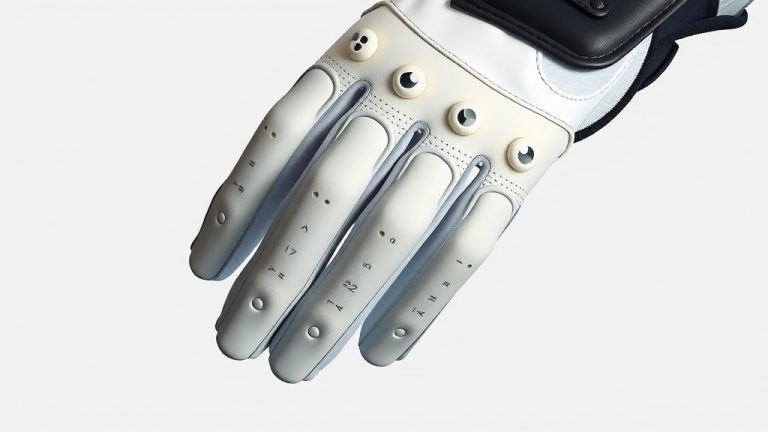
Find the fullest part of your palm. This is usually just below your knuckles, where your fingers meet your palm. Wrap the measuring tape around this area. Keep the tape measure snug but not tight. You don’t want to squeeze your hand or compress it.
Excluding the Thumb
It’s really important to exclude your thumb from this measurement. The thumb is wider than the rest of your fingers. Including it would give you an inaccurate reading. Make sure the tape measure goes around the base of your fingers and the palm, but completely bypasses your thumb.
Calculate Your Glove Size
Once you have your measurement, you’re almost there! The standard method is to add an inch to the circumference of your hand. For example, if your hand measures 8 inches around the fullest part, your glove size would be 9. This extra inch accounts for the glove material and a comfortable fit.
Example Calculation
Let’s say you measured your hand and got 7.5 inches. You’ll add 1 inch to that number. So, 7.5 + 1 = 8.5. This means you would likely need a size 8.5 glove. We found this simple addition works for most types of gloves.
Understanding Different Glove Types and Sizing
While the basic measuring method is the same, some gloves might have slight variations. Baseball gloves, for instance, often have their own specific sizing charts based on the position played. Work gloves might prioritize durability and protection, sometimes leading to a slightly looser fit. Winter gloves often need extra room for insulation.
Baseball and Softball Gloves
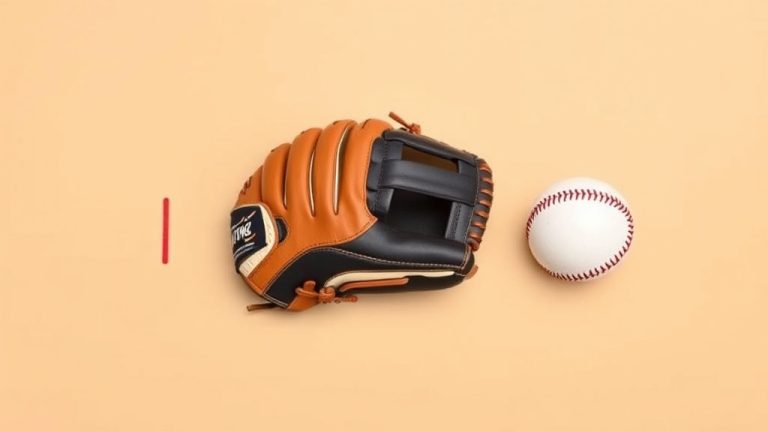
For baseball and softball gloves, the measurement is typically taken from the heel of the glove to the tip of the index finger. This is different from measuring your hand. Online guides often provide diagrams for this specific type of measurement. You might also see sizes listed in inches for youth and adult players.
Work and Industrial Gloves
Work gloves, like those for construction or mechanics, usually follow the standard hand measurement method. Manufacturers often provide detailed charts with size ranges. It’s good to check these charts, especially if you’re buying gloves for specific tasks that require dexterity.
Winter and Fashion Gloves
Winter gloves often need to accommodate liners or simply provide more warmth. You might find that you need to size up slightly from your standard measurement to allow for added insulation. Fashion gloves can vary greatly, so always check the brand’s specific sizing guide.
When to Consult a Brand’s Sizing Chart
Even with the standard measurement method, every brand can be a little different. It’s always a smart move to check the specific sizing chart provided by the glove manufacturer. You can usually find these on the product page or on the brand’s website. This is especially true for specialized gloves like sports equipment.
| Hand Circumference | Glove Size |
|---|---|
| 6 – 6.5 | 6 – 6.5 |
| 6.75 – 7 | 7 – 7.5 |
| 7.25 – 7.5 | 7.5 – 8 |
| 7.75 – 8 | 8 – 8.5 |
| 8.25 – 8.5 | 8.5 – 9 |
| 8.75 – 9 | 9 – 9.5 |
| 9.25 – 9.5 | 9.5 – 10 |
| 9.75 – 10 | 10 – 10.5 |
This table is a general guide. Always refer to the specific brand’s chart for the most accurate fit. We found that this table covers many common sizes, but variations exist.
Tips for Getting the Best Fit
Here are a few extra tips we’ve found helpful when sizing gloves. These can make a big difference in comfort and usability. Remember, a good fit is key to performance and enjoyment.
- Measure twice: It’s always better to measure your hand again to ensure accuracy.
- Consider your activity: Think about what you’ll be using the gloves for.
- Check for stretch: Some materials, like leather, will stretch over time.
- Read reviews: Other buyers often share sizing experiences.
- Try them on if possible: There’s no substitute for actually wearing the gloves.
- Don’t forget your dominant hand: This is the one that needs the most precise fit.
Conclusion
You’ve learned how simple it is to find your perfect glove size. Remember, the key is measuring your dominant hand’s circumference around the fullest part, excluding your thumb. Adding just one inch to this measurement is the standard and most reliable method we found for general glove types. While this method works for most, always cross-reference with the specific brand’s sizing chart for the most precise fit, especially for specialized gloves. Take that measurement and happy glove shopping!
Frequently Asked Questions
What if my hand measurement falls between two sizes?
If your measurement lands between sizes, it’s often best to try the larger size. This usually allows for a bit more comfort and accommodates potential slight shrinkage or the need for thinner liners. We found that erring on the side of slightly larger provides better long-term wearability.
Do I need to measure both hands?
You only need to measure your dominant hand for sizing purposes. This is the hand you write with and typically use more actively. Most gloves are sold in pairs for either left or right-handed users, but the sizing is based on the one hand measurement.
How do I know if my glove is too tight or too loose?
A glove that’s too tight will restrict your finger movement and feel uncomfortable, possibly even numb. A glove that’s too loose will feel baggy, slip around your hand, and make it hard to grip objects. Your fingers should be able to move freely without extra material bunching up.
Can I use a glove size chart from one brand for another?
While the basic measurement principle is the same, glove sizing can vary between brands. It’s always a smart move to check the specific sizing chart provided by the manufacturer you’re buying from. We found this helps avoid disappointment and ensures a better fit.
How does the material of the glove affect the fit?
Some materials, like leather, are known to stretch and mold to your hand over time. If you’re buying leather gloves, they might feel a bit snug at first but should loosen up with wear. Synthetic materials or insulated gloves often retain their shape and size, so a precise fit from the start is more critical.