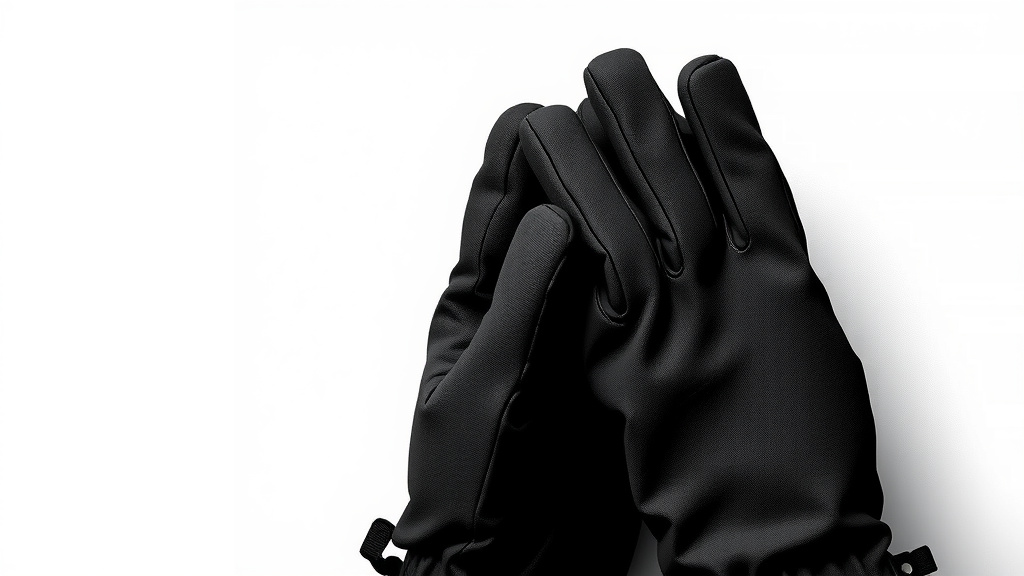
How Heated Gloves Work Explained Simply
Heated gloves work by using tiny heating elements embedded within the fabric. These elements, often powered by rechargeable batteries, generate warmth to keep your hands toasty. This technology is a fantastic way to combat the coldest weather and ensure your fingers don’t go numb on chilly days.
These amazing gloves offer more than just basic warmth. Many are designed with adjustable heat settings, letting you find your perfect temperature. You can often choose between low, medium, and high heat levels. This makes them incredibly versatile for everything from a quick walk to a full day of outdoor activity, providing consistent warmth where you need it most.
- Heated gloves use built-in heating elements.
- They are powered by rechargeable batteries.
- Most offer adjustable heat settings.
- They help keep your hands warm in cold weather.
Ready to discover how this magic happens? Let’s break down exactly how your heated gloves create that cozy warmth.
Understanding How Heated Gloves Work
Heated gloves are essentially your hands’ personal thermostats. They work by integrating small, flexible heating elements directly into the glove’s fabric. These elements are connected to a power source, typically a rechargeable battery pack. When activated, they generate a gentle, consistent warmth. This warmth then radiates through the glove, keeping your fingers and palms comfortably insulated from the biting cold.
The Core Components of Your Heated Gloves
To truly appreciate the magic, let’s look at the main parts that make your heated gloves so effective. It’s a clever combination of materials and technology working together.
The Heating Elements: Tiny Wires, Big Warmth
At the heart of every pair are the heating elements. These are usually made of thin, flexible wires, often carbon fiber or fine resistance wire. They are strategically placed within the glove, typically across the back of the hand, fingers, and sometimes even the palm. Think of them like the heating coils in a toaster, but much smaller and safer. Research shows that even a small amount of controlled heat can make a big difference in comfort (National Institutes of Health).
The Power Source: Batteries That Keep You Toasty
These heating elements need power, and that’s where the rechargeable batteries come in. Most heated gloves use lithium-ion battery packs. These are usually slim and designed to fit into a small pocket on the cuff of the glove. The battery’s job is to supply consistent electricity to the heating elements. Battery life can vary, but many offer several hours of warmth on a single charge.
The Control System: Your Personal Heat Dial
Ever wonder how you can switch between low, medium, and high heat? That’s the work of the control system. Many gloves have a simple button or switch, often located on the outside of the cuff. Pressing this button cycles through the different heat settings. Some advanced models even connect to a smartphone app, giving you finer control over the temperature.
How the Heat is Distributed
Once the heating elements are powered, the warmth needs to get to your skin. The design of the glove plays a key role here. The heating elements are woven into a layer of fabric that sits close to your hand. This ensures efficient heat transfer. The outer layers of the glove then act as insulation, trapping the heat in.
Material Matters: Insulation and Conductivity
The materials used in heated gloves are carefully chosen. Many feature an insulating layer, like fleece or polyester, to keep the generated heat from escaping. The placement of the heating elements is also critical. They are usually positioned to warm the areas that feel the cold most intensely, like the fingertips and the back of the hand. This thoughtful design ensures your entire hand feels comfortable.
The Role of the Battery Life
Your experience with heated gloves is directly tied to battery life. Most manufacturers provide estimates for how long the batteries will last on each heat setting. For example, a full charge might give you 6-8 hours on low, 3-4 hours on medium, and 1-2 hours on high. This helps you plan your day, especially if you’re out for extended periods. Always check the manufacturer’s specs for the most accurate information.
The Technology Behind the Warmth Explained
It might seem like magic, but the science behind heated gloves is quite straightforward. It’s all about resistance and controlled energy transfer. Let’s break it down a bit further.
Understanding Electrical Resistance
The heating elements are essentially resistors. When electricity flows through them, the material resists that flow. This resistance causes the wires to heat up. The amount of heat produced depends on the resistance of the material and the amount of electricity (current) flowing through it. This is a fundamental principle of physics, often demonstrated with simple experiments (Khan Academy).
How Different Heat Settings Work
How do you get low, medium, and high heat from the same elements? Manufacturers achieve this in a couple of ways. One common method is by altering the amount of electrical current sent to the heating elements. A lower current means less heat, while a higher current generates more warmth. Another method involves using different circuits or power levels within the battery pack. The control button simply selects which circuit or power level is active.
Safety Features You Should Know About
You might be wondering if these gloves are safe. Reputable manufacturers build in several safety features. The heating elements are designed to operate at safe temperatures, preventing burns. Overheat protection is also common, automatically shutting off the elements if they get too hot. Always ensure you’re buying from a trusted brand that adheres to safety standards. For instance, guidelines from organizations like UL (Underwriters Laboratories) ensure products meet rigorous safety requirements.
Material and Construction: Keeping it Safe and Durable
The materials used are also important for safety. They are typically fire-retardant and durable. The wiring is usually concealed and protected to prevent damage. Look for gloves that have undergone testing for electrical safety and material integrity. Many brands will indicate if their products meet specific safety certifications, giving you peace of mind.
Choosing the Right Pair for Your Needs
With so many options out there, how do you pick the best heated gloves? Consider what you’ll be using them for. Are you just walking the dog, or are you skiing for hours? Your intended activity will dictate the battery life, heat output, and durability you need.
Factors to Consider Before Buying
Here’s a quick checklist to help you decide:
- Battery Life: How long do you need them to last on a single charge?
- Heat Settings: Do you need multiple levels of warmth?
- Sizing and Fit: A good fit is essential for comfort and warmth.
- Material: Look for water-resistant and breathable fabrics.
- Durability: Will they hold up to your activities?
- Price: Heated gloves range in cost, so set a budget.
A Quick Comparison of Heated Glove Types
You’ll find different types of heated gloves on the market. Some are designed for light everyday use, offering moderate warmth. Others are built for extreme conditions, like mountaineering or long days in freezing temperatures. The power output, battery size, and overall construction will differ significantly.
Here’s a simplified look at what you might find:
| Glove Type | Typical Use | Battery Life (approx.) | Heat Output |
|---|---|---|---|
| Everyday Casual | Short walks, errands | 2-4 hours | Low to Medium |
| Outdoor Sports | Skiing, snowboarding, cycling | 3-6 hours | Medium to High |
| Extreme Cold/Work | Construction, very cold climates | 5-8+ hours | High, consistent |
Remember, these are general estimates, and actual performance can vary based on usage and environmental conditions.
Conclusion
You now understand how your heated gloves work, transforming cold days into comfortable ones. They rely on embedded heating elements powered by rechargeable batteries, all managed by a simple control system. This clever technology uses electrical resistance to generate warmth, distributing it efficiently through carefully chosen materials. Knowing these basics helps you appreciate the science behind the cozy heat on your hands. Ready to face the cold with confidence? Consider your next outdoor adventure and choose a pair that fits your needs perfectly.
Frequently Asked Questions
How long do heated gloves typically last on a single charge?
Battery life for heated gloves can vary greatly depending on the model and the heat setting you use. Generally, you can expect anywhere from 2 to 8 hours of warmth. Lower heat settings will always provide longer battery life than the highest setting.
Can heated gloves get too hot and burn my skin?
Reputable heated gloves are designed with safety in mind and include features to prevent overheating. They are tested to operate within safe temperature ranges, and many have automatic shut-off mechanisms. Always buy from trusted brands that meet safety standards.
Are heated gloves waterproof?
Many heated gloves offer some level of water resistance, which is great for snow or light rain. However, fully waterproof heated gloves are less common and might be bulkier. Check the product description to see if they are suitable for wet conditions.
How do I care for and clean my heated gloves?
Cleaning heated gloves usually involves detaching the battery pack and hand-washing them with mild soap and cool water. It’s essential to let them air dry completely before reattaching the batteries. Always follow the manufacturer’s specific cleaning instructions.
Do the heating elements in gloves wear out over time?
Like any electronic device, the heating elements and batteries in heated gloves have a lifespan. However, with proper care and usage, most high-quality heated gloves can last for several seasons. Battery degradation is usually the first sign of wear.