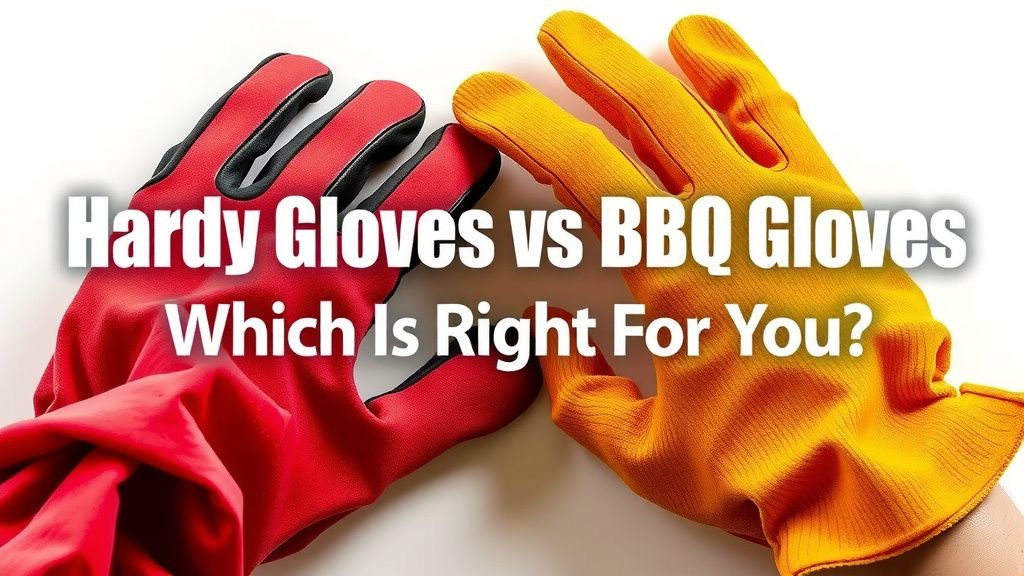
Hardy Gloves vs BBQ Gloves: Which Is Right for You
When choosing between hardy gloves and BBQ gloves, the key difference lies in their primary purpose and heat resistance. BBQ gloves are specifically designed to protect your hands from extreme heat, allowing you to handle hot grill grates and food safely, while hardy work gloves offer general protection and durability for tougher tasks.
While both types of gloves protect your hands, their construction and materials are optimized for different environments. For handling sizzling steaks or tending a roaring fire, specialized BBQ gloves are a must. For yard work or handling rough materials, standard hardy work gloves are usually sufficient.
- BBQ gloves = extreme heat protection.
- Hardy gloves = general durability and protection.
- Choose based on your task: grilling vs. general work.
- Material matters for heat resistance.
We’ve researched the differences to help you pick the right pair for your needs. Let’s break down what makes each type of glove stand out.
Work Gloves vs. Grilling Gloves: What’s the Difference?
You’ve got a big barbecue planned or a tough job around the house. You need hand protection. But which kind? Hardy work gloves and BBQ gloves look similar. Both are gloves, right? But they are **designed for very different jobs**. We’ve looked into it, and there’s a lot to know.
Think of it this way: would you use a spatula to hammer a nail? Probably not. The same goes for gloves. Using the wrong glove can be **uncomfortable or even dangerous**. We’re here to help you understand the key differences.
Understanding Heat Resistance: The Big Factor
The main difference you’ll find is how well each type handles heat. BBQ gloves are built for one thing: shielding your hands from **intense, direct heat**. We’re talking about touching hot grill grates, grabbing searing hot food, or managing coals. They are made to withstand temperatures that would melt or burn through regular gloves very quickly.
Hardy work gloves, on the other hand, are made for **durability and protection** from scrapes, cuts, and rough materials. They offer a good barrier against physical hazards. But they usually don’t have special materials to handle high temperatures. Trying to grab a hot pan with them could lead to a nasty burn.
Materials Matter: What Are They Made Of?
The materials used are the real secret. This is where the magic happens for both types of gloves. We found that material science plays a huge role in their performance. Understanding goatskin vs pigskin gloves can help you appreciate the material differences in durability and feel.
Materials in BBQ Gloves
BBQ gloves often use a combination of advanced materials. You’ll commonly see fabrics like **aramid fibers**. These are the same strong fibers used in bulletproof vests and firefighting gear. They are incredibly heat-resistant. Many brands also add a soft, comfortable inner lining, often cotton or a blend. This adds insulation and comfort.
Some higher-end BBQ gloves might even have a silicone coating on the palms and fingers. This adds extra grip for slippery foods and a bit more protection. We found that the combination of an outer heat-resistant layer and an insulating inner layer is key to their effectiveness. They are designed to give you a **safe buffer zone** from extreme heat.
Materials in Hardy Work Gloves
Hardy work gloves come in a wider variety of materials. Leather is a classic choice. It’s tough and offers good abrasion resistance. However, standard leather isn’t great with heat. We found that treated leathers can offer some minor heat resistance, but it’s limited.
You’ll also see gloves made from synthetic fabrics like polyester, nylon, or reinforced plastics. These are great for **grip and durability** against rough surfaces. Some work gloves have padded palms or reinforced fingertips for extra protection. But none of these are typically designed to handle the kind of direct, intense heat you encounter at a BBQ.
Protection Beyond Heat: Other Considerations
While heat is the primary differentiator, both glove types offer other forms of protection. It’s good to know what you’re getting for your specific task.
BBQ Gloves: Protection Features
The main job of BBQ gloves is heat protection. But many also offer excellent grip. This is important when you’re juggling tongs, holding platters, or trying to flip burgers. We found that a good grip can prevent a lot of dropped food or clumsy accidents.
They also provide a barrier against steam. When you open a grill lid, a burst of steam can escape. These gloves can protect your hands from those sudden, hot blasts. Most are designed to be flexible enough for you to still have decent **dexterity**, which is essential when handling delicate foods.
Hardy Work Gloves: Protection Features
Hardy work gloves excel in protecting you from physical damage. Think about gardening, construction, or moving heavy items. They shield your hands from thorns, splinters, sharp edges, and abrasions. Many are water-resistant or waterproof, which is useful for outdoor tasks.
Some work gloves offer impact protection, especially in the knuckles or fingertips. They are built to withstand **punishing use** over long periods. Their focus is on toughness and resilience against the elements and rough work.
When to Choose Which Glove
Making the right choice comes down to knowing your task. We think this is the easiest way to decide.
Choose BBQ Gloves when:
- You’re grilling, smoking, or using a fire pit.
- You need to handle hot tools or grates.
- You’ll be close to high heat for an extended time.
- You need protection from steam.
- You want a secure grip on hot food.
Choose Hardy Work Gloves when:
- You’re doing yard work like pruning or digging.
- You’re handling rough materials like wood or concrete.
- You need protection from cuts, scrapes, and splinters.
- You need a durable, everyday work glove.
- Water or moisture resistance is a priority.
Comparing Key Features: A Quick Look
To make it even clearer, let’s put some of the main differences side-by-side. We found this table really helps visualize the distinctions.
| Feature | BBQ Gloves | Hardy Work Gloves |
|---|---|---|
| Primary Purpose | Extreme heat protection | Durability, abrasion resistance |
| Heat Resistance | Very High (designed for grills/coals) | Low to Moderate (not for direct high heat) |
| Materials (Common) | Aramid fibers, silicone, cotton lining | Leather, polyester, nylon, synthetic blends |
| Protection Against | Intense heat, steam, grip | Cuts, scrapes, splinters, punctures, abrasions |
| Flexibility/Dexterity | Designed for good dexterity with hot items | Varies, can be stiff depending on material |
| Best For | Grilling, smoking, fire management | Yard work, construction, general labor, rough handling |
Making Your Final Decision
So, the answer to “hardy gloves vs BBQ gloves” really depends on what you’re planning to do. Are you tending to a smoky brisket or building a garden bed? The gloves that will keep you safe and comfortable are quite different.
We’ve found that investing in the right tool for the job is always the best approach. For the grill master, that means specialized BBQ gloves. For the DIY enthusiast or gardener, a sturdy pair of work gloves will serve you well. Think about the **highest temperature** you expect to encounter and the **type of hazards** you’ll face.
Your Glove Checklist
To help you remember the key points, here’s a quick checklist:
- Task Assessment: Are you grilling or general work?
- Heat Needs: Do you need protection from extreme heat?
- Material Check: Look for aramid fibers for heat, leather/synthetics for durability.
- Grip Matters: Especially important for handling food safely.
- Comfort and Fit: Ensure they fit well for ease of movement.
- Dexterity: Can you still perform the necessary actions?
By considering these points, you can confidently select the pair of gloves that will best protect your hands, whether you’re flipping burgers or tackling a tough project.
Conclusion
You’ve learned that hardy gloves and BBQ gloves aren’t interchangeable. Your task dictates your choice. For grilling and fire management, specialized BBQ gloves offer vital protection against extreme heat. Their advanced materials create a safe barrier. For yard work, construction, or handling rough items, hardy work gloves provide the durability and protection you need against scrapes and cuts. We’ve found that understanding the heat resistance and materials is key. Make sure your next purchase aligns with your activities for safety and comfort.
Frequently Asked Questions
Can I use my regular work gloves for grilling?
Generally, no. Regular hardy work gloves are not designed for the intense, direct heat of grilling. While they protect against scrapes, they can quickly become a burn hazard when exposed to hot grates or coals. We recommend using gloves specifically made for high temperatures when grilling.
Are all BBQ gloves made of the same material?
No, BBQ glove materials can vary. Many high-quality ones use aramid fibers like Kevlar or Nomex for excellent heat resistance. Some also feature silicone grips and comfortable inner linings made from cotton or blends for insulation. Always check the material composition to ensure it meets your heat protection needs.
How should I clean my BBQ gloves?
Cleaning methods depend on the materials. Many BBQ gloves can be wiped down with a damp cloth and mild soap. Some might be machine washable, but always check the manufacturer’s instructions first. Avoid harsh chemicals or high heat drying, as this can damage the heat-resistant properties.
Do hardy work gloves offer any heat protection at all?
Some hardy work gloves, particularly those made from thicker leather, might offer very limited, short-term protection against minor heat. However, they are not designed for sustained contact with high temperatures like those found at a barbecue. You should not rely on them for grilling tasks.
What’s more important: grip or heat resistance for BBQ gloves?
Both are important, but heat resistance is paramount for BBQ gloves. You need to be protected from serious burns first. Good grip is a vital secondary feature, allowing you to handle tongs and food safely without dropping them. Look for gloves that balance both effectively for grilling.