Glove vs Mitt Baseball: What’s the Difference
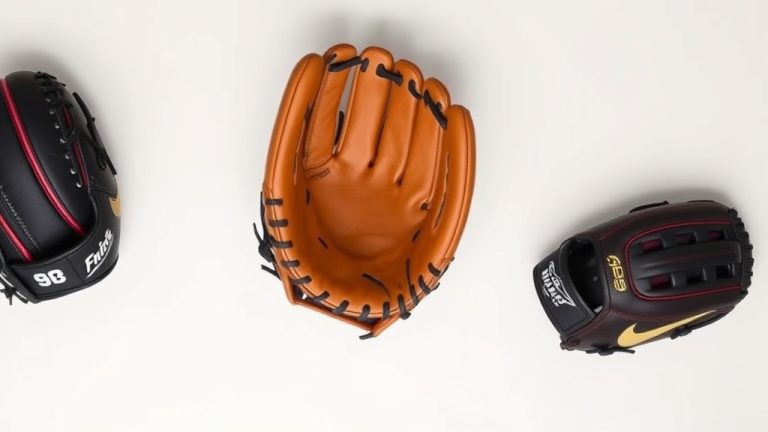
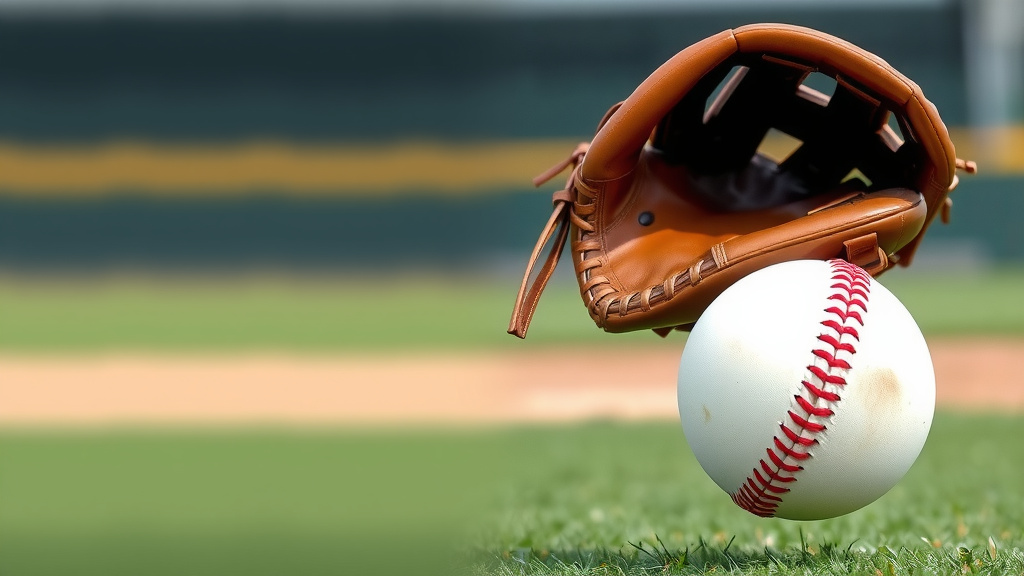
When choosing between a glove vs. mitt in baseball, the main difference is finger separation. A glove has individual finger stalls, offering more dexterity. A mitt, like a catcher’s or first baseman’s, is a single pocket with no finger divisions, designed for maximum padding and catching ability.
We found that this distinction impacts how the gear is used on the field. A baseball glove offers a more tailored fit for infielders and outfielders. Baseball mitts are specialized tools for positions needing to snare fast pitches or scooped throws with greater ease and protection.
- Glove: Individual finger slots for better control.
- Mitt: One large pocket for catching and padding.
- Glove offers more flexibility for throwing.
- Mitt provides more shock absorption.
- Position dictates the best choice.
Let’s break down the key differences and help you figure out which one is right for your game.
“`htmlUnderstanding Baseball Gloves and Mitts
So, you’re curious about the difference between a baseball glove and a baseball mitt? It’s a common question, and the answer boils down to how they’re constructed and what that means for your game. Think of it like choosing the right tool for a specific job. We found that understanding these distinctions can really help you pick the gear that best suits your position and play style.
The Core Difference: Finger Separation
The biggest clue is right in the name. A traditional baseball glove has individual finger stalls. You slip each finger into its own slot, just like putting on a glove for everyday wear. This design gives you Explore the best baseball glove designs to find one that suits your needs.fine motor control over the ball once you catch it. Many players find this allows for quicker transfers from glove to throwing hand.
Now, a baseball mitt is a different beast. Instead of individual finger stalls, it features one large pocket. There are no divisions for your fingers. This is common for catchers and first basemen. The goal here isn’t pinpoint finger control but rather to create a larger, softer surface for snagging fast pitches or scooping up errant throws. We found this design prioritizes padding and a larger target area.
How Design Affects Functionality
This structural difference directly impacts how each piece of equipment performs on the field. The glove’s separate fingers offer dexterity. You can feel the ball more distinctly and manipulate it within the pocket. This is why infielders and outfielders often prefer gloves; they need to make quick, precise plays. They can field ground balls cleanly and get the ball out of their glove rapidly.
On the flip side, the mitt’s unified pocket provides a significant amount of padding. Catchers deal with pitches traveling at high speeds, and a mitt absorbs that impact. First basemen need protection from wild throws and the force of catching balls from various angles. We’ve seen that mitts are built for durability and shock absorption, giving players the confidence to block balls and secure throws.
Glove vs. Mitt: Which is Right for You?
Deciding between a glove and a mitt isn’t just about preference; it’s about your position on the field and the demands of that role. Let’s break down why certain players gravitate towards one over the other.
The Glove: Versatility for Fielders
For the vast majority of baseball players, the standard glove is their go-to. If you play shortstop, second base, third base, or any outfield position, you’ll likely be using a glove. Why? Because these positions require you to field a variety of balls – grounders, line drives, fly balls – and then make a quick throw. The glove’s finger separation gives you the control needed for these actions.
Infielders and Their Needs
Infielders often choose gloves with smaller pocket sizes. This helps them avoid “mushing” the ball in the pocket. They want to feel the ball hit the leather so they can transfer it instantly. Many infield gloves also have a shallower pocket depth. This is a conscious design choice for faster ball retrieval. We found that the ability to quickly glove a grounder and fire it to first is paramount for these players.
Outfielders and Their Preferences
Outfielders, while still using gloves, often opt for gloves with deeper pockets and longer fingers. This helps them secure fly balls, especially those hit with topspin. A deeper pocket means less chance of the ball popping out. It also provides a bit more room to work with when catching those high-speed drives. We observed that outfielders balance the need for a secure catch with the eventual throw back to the infield.
The Mitt: Specialization for Catchers and First Basemen
Mitt-style equipment is highly specialized. They are designed for players who primarily receive balls thrown by others, rather than fielding ground balls and making immediate throws themselves. This makes them indispensable for catchers and first basemen.
The Catcher’s Mitt
A catcher’s mitt is probably the most distinct type of mitt. It’s heavily padded and has no thumb stall; the thumb is integrated into the mitt’s structure. The lack of individual finger stalls creates a large, round, and forgiving surface area. This is essential for catching fastballs, curveballs, and sliders thrown by pitchers. We’ve learned that the extra padding is critical for protecting the catcher’s hand from the impact of repeated high-velocity pitches. Many experts suggest it’s a vital piece of safety equipment (American Baseball Catcher’s Association).
The First Baseman’s Mitt
A first baseman’s mitt looks a bit different from a catcher’s mitt, but it shares the fundamental design of having no finger divisions. It’s typically longer and has a shallower, more rounded pocket than a catcher’s mitt. This shape is ideal for scooping up throws from infielders that might be slightly off-target. The extended length also helps create a larger target for the infielder making the throw. We found that the design focuses on providing a wide surface for snagging throws and a secure pocket to prevent dropped balls.
Key Differences at a Glance
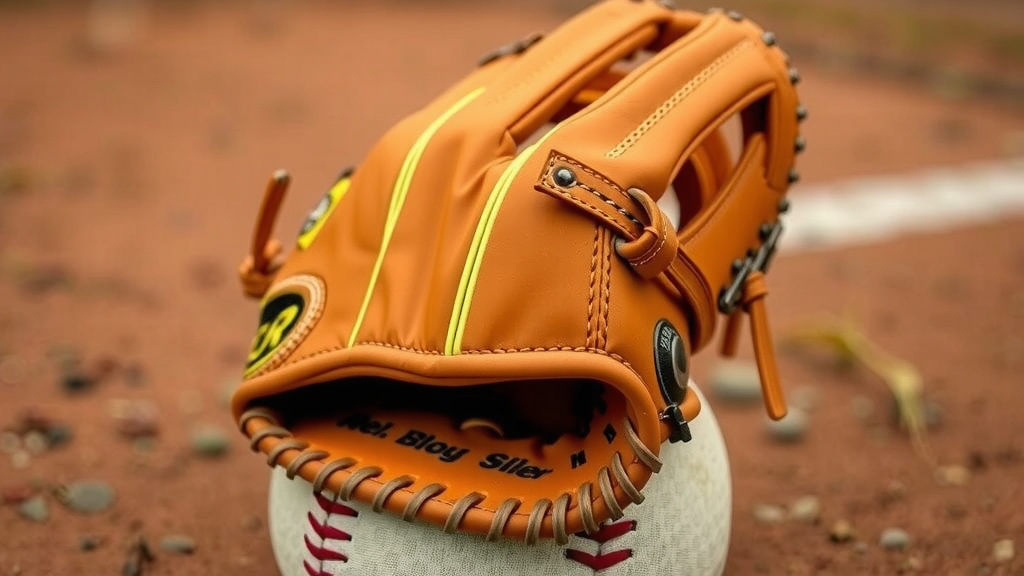
To help solidify your understanding, let’s look at the core distinctions in a simple format. This can be really helpful when you’re trying to explain it to someone else or just want a quick reminder.
| Feature | Glove | Mitt |
|---|---|---|
| Finger Separation | Yes, individual stalls | No, single pocket |
| Primary Function | Fielding and quick transfers | Catching and padding |
| Dexterity | High | Low |
| Padding | Moderate | High |
| Typical User | Infielders, Outfielders | Catchers, First Basemen |
Making Your Final Choice
Ultimately, the choice between a glove and a mitt is dictated by your role on the diamond. Don’t try to use a catcher’s mitt at shortstop, and a standard glove won’t cut it behind home plate. Think about what you need most: the precision of separate fingers or the cushion and larger target of a unified pocket. We’ve found that players who understand their position’s specific needs make the most informed equipment decisions.
Quick Checklist for Choosing Your Gear:
- Consider your primary playing position.
- Think about the speed of the balls you’ll be catching.
- Evaluate how important dexterity is for your plays.
- Assess the amount of padding you’ll need.
- Are you receiving many fast pitches or scooping throws?
- Do you need to make quick, precise transfers to throw?
Conclusion
Choosing between a baseball glove and a mitt comes down to your specific role on the field. We’ve seen that gloves offer the dexterity you need for quick fielding and transfers, making them ideal for most positions. Mitts, on the other hand, provide the essential padding and larger catching surface for specialized roles like catching or playing first base. Understanding these differences ensures you pick the gear that helps you perform your best. Your next step is to consider your position and needs, then find the perfect fit for your game.
Frequently Asked Questions
Can I use a catcher’s mitt as a first baseman?
While both are mitts, a catcher’s mitt and a first baseman’s mitt have different designs. A catcher’s mitt is typically rounder and more heavily padded for receiving high-velocity pitches. A first baseman’s mitt is longer with a shallower pocket, better for scooping throws. For optimal performance and safety at each position, it’s best to use the mitt designed for that specific role.
How does a glove’s finger separation help with fielding?
The individual finger stalls in a glove allow you to feel the ball more distinctly when it enters the pocket. This improved feel gives you greater control, which is vital for making quick transfers from your glove to your throwing hand. Infielders and outfielders rely on this dexterity to make fast, accurate plays.
Why do outfielders often prefer gloves with deeper pockets?
Outfielders frequently need to catch fly balls hit with speed and topspin. A deeper pocket in their glove helps secure these balls, reducing the chance of them popping out. It also provides a larger surface area to snag balls hit away from their body, giving them more confidence in their catches.
Is a mitt really necessary for a first baseman?
Yes, a first baseman’s mitt is highly recommended. Its design, which is longer and flatter than a standard glove, creates a larger target for infielders making throws. The extra padding also protects the hand from the force of incoming throws, especially those that are off-target or traveling at high speeds.
Will a glove give me better protection than a mitt?
Generally, no. Mitts are specifically designed with significantly more padding than standard gloves. This is crucial for positions like catcher and first base, where players regularly handle balls traveling at high speeds or need to block errant throws. A glove offers moderate padding, suitable for general fielding but not the heavy impact a mitt is built for.