Measure Your Glove Size: A Simple Guide
Measuring for your perfect glove size is simpler than you think! You just need a flexible tape measure and a little bit of patience. We found that most glove sizing charts rely on a single measurement: the circumference of your palm.
Getting the right glove fit means better comfort and performance, whether for work or play. A glove that’s too big can slip, while one that’s too small can pinch and restrict movement. Knowing your correct glove size is the first step to finding gloves you’ll actually love wearing, and we’re here to help you nail it. If you have big hands, our guide to baseball gloves for larger hands can help you find the perfect fit.
- Measure your palm’s circumference.
- Use a flexible tape measure.
- Compare your measurement to a sizing chart.
- Don’t pull the tape too tight.
- Consider the glove’s material for stretch.
Ready to ditch the guesswork and find gloves that feel like they were made just for you? Let’s walk through exactly how to measure your hand for the right glove size, step by step.
Figuring Out Your Glove Size: A Simple Guide
Getting your glove size right is key to comfort and function. You might be wondering how to get that perfect measurement. It’s actually quite straightforward, and we’re here to walk you through it. Most glove manufacturers rely on a single, simple measurement to determine your size.
Measuring Your Palm for the Perfect Fit
The most common method for finding your glove size involves measuring the circumference of your dominant hand’s palm. Your dominant hand is typically the one you write with.
What You’ll Need
You won’t need much for this task. Grab a flexible tape measure. This is usually the kind used for sewing or crafting. If you don’t have one, a piece of string or a strip of paper can also work. Just make sure it’s flexible enough to wrap around your hand easily. You’ll also want a ruler or a standard tape measure to read the length of the string or paper if you use that method.
The Simple Steps to Measuring
Here’s how to get the measurement you need:
Step 1: Hand Position
First, you need to position your hand correctly. It’s best to lay your dominant hand flat on a surface. Spread your fingers slightly apart, but not so far that it strains your hand. A relaxed, natural spread is ideal. Think about how your hand would naturally rest inside a glove.
Step 2: Wrapping the Measure
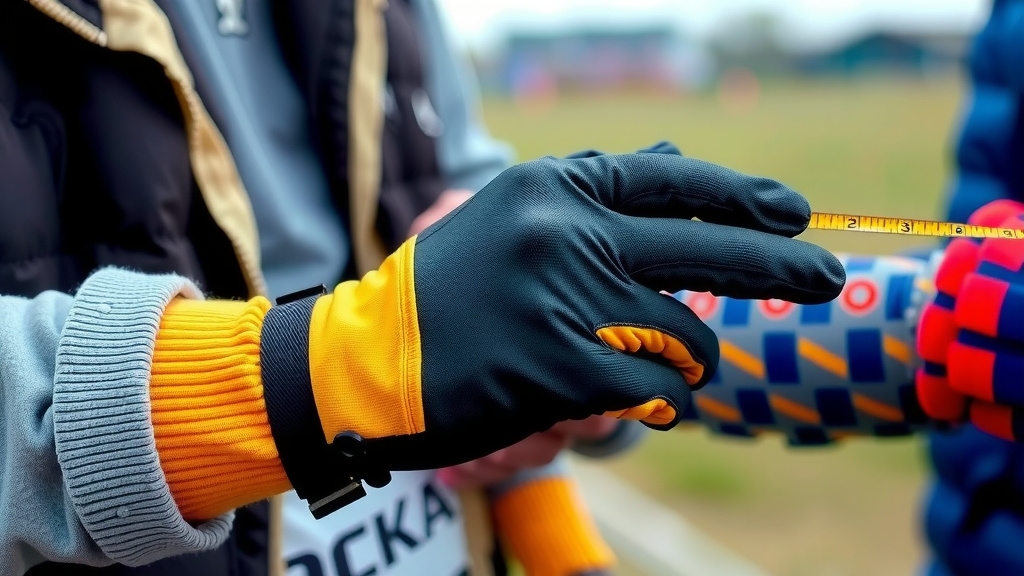
Now, take your flexible tape measure. You want to wrap it around the widest part of your palm. This is usually just below your fingers, across the knuckles. Make sure the tape measure lies flat against your skin. Avoid pulling the tape too tightly. You want a snug, but not constricting, measurement. We found that pulling too hard can give you an inaccurate, smaller size.
Step 3: Reading the Measurement
Once the tape is in place, read the measurement. If you’re using a string or paper, mark where the end meets the starting point. Then, lay the string or paper flat against a ruler or standard tape measure to get your measurement in inches or centimeters. Most glove sizing charts use inches.
Comparing Your Measurement to a Sizing Chart
Once you have your palm circumference measurement, you’ll need to consult a glove sizing chart. These charts are readily available online from glove manufacturers or retailers. Simply find your measurement on the chart, and it will tell you the corresponding glove size. For example, if your palm measures 9 inches around, a size Medium glove might be the right fit.
It’s important to remember that sizing can vary slightly between brands and glove types. A chart for work gloves might differ from a chart for winter gloves. Our guide to cadet vs. regular golf gloves explains how sizing can vary slightly between brands and glove types.
Understanding Different Glove Materials and Fit
The material of the glove can also affect the fit. Some materials offer more stretch than others.
Leather Gloves
Leather gloves, for instance, tend to be a bit forgiving. They will stretch and mold to your hand over time. When buying leather gloves, you might want them to feel a little snug at first. Many experts recommend a snug fit, as the leather will relax with wear (National Retail Federation).
Synthetic and Fabric Gloves
Gloves made from synthetic materials or fabrics might have less give. They often maintain their shape and size. For these, it’s generally best to aim for a comfortable fit right out of the box. A measurement that feels just right on the chart is usually the way to go.
Specialty Gloves
For specialized gloves, like those used for sports (e.g., baseball, golf) or heavy-duty work, the fit can be even more critical. These often have specific fitting guides. Always check the manufacturer’s recommendations for these types of gloves.
Common Pitfalls to Avoid
There are a few common mistakes people make when measuring for gloves. Being aware of them can save you frustration.
Don’t Measure Too Tightly
As we mentioned, avoid pulling the tape measure too tight. This is a frequent error. A measurement that’s too tight will lead to gloves that are uncomfortably restrictive. Your fingers need room to move freely. Your glove should feel snug, not like a tourniquet!
Don’t Forget Your Dominant Hand
Always measure your dominant hand. It’s usually a bit larger than your non-dominant hand. Using the dominant hand ensures the best fit for the hand that does most of your work or activities.
Considering Thumb Length
While palm circumference is the primary measurement, some people find their thumb length is also a factor. If your thumbs are notably longer or shorter than average, this might influence your choice, especially with fitted gloves.
Quick Checklist for Accurate Glove Sizing
Here’s a handy checklist to ensure you get the right measurement:
- Use a flexible tape measure.
- Measure your dominant hand’s palm circumference.
- Wrap the tape snugly, but not too tight.
- Measure at the widest part of your palm.
- Consult the specific brand’s sizing chart.
- Consider the glove material for stretch.
Conclusion
You’ve now learned how simple it is to measure for your perfect glove size. Remember, a flexible tape measure and your dominant hand are all you need. By wrapping the tape snugly around the widest part of your palm and comparing it to a sizing chart, you’re well on your way. Don’t forget that glove material affects fit, with leather stretching over time. Avoid common pitfalls like measuring too tightly. Your next step is to grab that tape measure and find gloves that offer superior comfort and performance for whatever you do.
Frequently Asked Questions
What if my hands are different sizes?
It’s common for one hand to be slightly larger than the other. You should always measure your dominant hand, which is typically your writing hand. This ensures the best possible fit for the hand you use most actively.
How do I know if a glove is too small?
If a glove feels tight across your knuckles, restricts finger movement, or is difficult to put on without excessive force, it’s likely too small. Your fingers should have a little wiggle room, and the glove should feel snug but not constricting.
Can I use a regular ruler to measure my hand?
While you can’t wrap a rigid ruler around your palm, you can use a piece of string or a paper strip. Wrap it around your palm like a tape measure, mark the length, and then lay the string or paper flat against a ruler to get your measurement.
Do children’s glove sizes work the same way?
Yes, the basic principle is the same for children’s gloves. You’ll measure their dominant hand’s palm circumference. Always check the specific sizing chart provided by the manufacturer, as sizing can vary even for kids’ gloves.
What’s the difference between a snug fit and a tight fit?
A snug fit means the glove is close to your skin without being uncomfortable or restrictive. A tight fit means the glove is too small, pinching, or preventing natural hand movement. We recommend a snug fit, especially for materials that will stretch like leather.