Full Finger vs Half Finger Motorcycle Gloves: Which Is Best
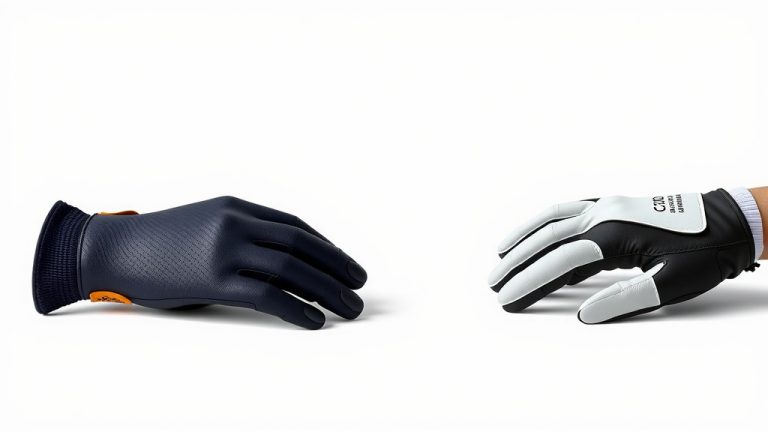
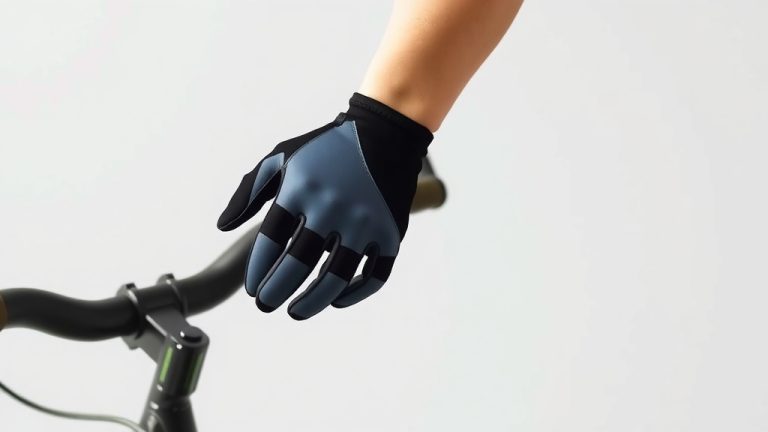
Choosing between full finger vs. half finger motorcycle gloves depends on your riding priorities. For maximum protection and coverage, full finger gloves are the clear winner. If you prioritize dexterity and airflow on warmer days, half finger gloves might seem appealing, but they offer far less safety.
Many riders wonder which type offers the best balance. While half finger gloves give you a tactile feel, research shows that full coverage is essential for hand safety in a crash. We found that even low-speed impacts can cause serious abrasions or fractures that half finger gloves simply can’t prevent.
- Full finger gloves offer superior protection.
- Half finger gloves sacrifice safety for dexterity.
- Impacts and abrasions are a serious risk.
- Full coverage is recommended for most riders.
- Consider your riding conditions and risk tolerance.
Let’s break down the key differences and help you decide which style is right for your riding needs.
Choosing Between Full and Half Motorcycle Gloves
Deciding between full finger and half finger motorcycle gloves is a common dilemma. You want comfort, but you also need protection. We found that most experienced riders lean towards full coverage. It’s about understanding what each type truly offers for your safety and riding experience.
Understanding the Protection Levels
Your hands are incredibly vulnerable when you ride a motorcycle. They are often the first thing to hit the ground in a fall. This is a hard truth, but knowing it helps you make the right gear choices. Full finger gloves offer a complete barrier against abrasions and impacts.
Research shows that even low-speed crashes can cause severe road rash. This happens when skin slides against rough pavement. Half finger gloves leave your knuckles and fingertips exposed. This means these sensitive areas are unprotected in many common accident scenarios.
The Risks of Exposed Fingertips and Knuckles
Think about what happens when you naturally brace for a fall. Your hands go out. Without full coverage, your knuckles can take a direct hit. This can lead to serious fractures and long-term damage. Your fingertips are also packed with nerves. Damage here can impact your dexterity for months.
Abrasion Resistance: A Key Difference
Full finger gloves are typically made from leather or durable synthetic materials. These materials are designed to withstand the intense friction of a slide. Half finger gloves often have less durable material on the exposed parts. This leaves them much more prone to tearing during an impact.
Dexterity and Control: The Half Finger Appeal
It’s true that half finger gloves offer a different feel. Some riders enjoy the enhanced tactile sensation. They feel they have better control over buttons and levers. This can be appealing for tasks like using a GPS or adjusting controls on the fly.
We found that this perceived increase in dexterity comes at a steep price. The protection offered is significantly reduced. For many riders, the trade-off isn’t worth the risk. Modern full finger gloves are designed to offer good dexterity too.
Are Half Finger Gloves Really More Dexterous?
While the fingertips are open, the overall glove still covers your palm and wrist. This means you still have some restriction. Many riders find that well-designed full finger gloves actually offer better grip. This is due to features like palm sliders and ergonomic shaping. You might be surprised how much control you have.
The Importance of Grip
A secure grip on your handlebars is vital for safe riding. Gloves with good grip enhance your control in various weather conditions. Full finger gloves often provide a more consistent grip. They are less likely to slip than bare hands or gloves with exposed sections.
Ventilation and Comfort in Different Climates
On a hot summer day, airflow is a major concern for any rider. Half finger gloves certainly offer more ventilation. Your fingers can breathe more easily. This can make riding in sweltering heat more comfortable, at least initially.
However, many full finger motorcycle gloves are now designed with advanced ventilation systems. Perforated panels and breathable materials are common. These designs allow air to circulate effectively. They can keep your hands cooler than you might expect, without sacrificing protection.
Protecting Against the Elements
While ventilation is important, so is protection from sun and debris. Full finger gloves shield your hands from harsh UV rays. This can prevent painful sunburn. They also offer a barrier against road debris, insects, and even small stones kicked up by other vehicles.
The Case for Year-Round Riding Gear
If you ride in cooler weather, half finger gloves offer little to no warmth. Full finger gloves, especially insulated or waterproof models, can keep your hands comfortable in a wider range of temperatures. This makes them a more versatile choice for year-round riding.
Material Matters: What Are They Made Of?
The materials used in motorcycle gloves significantly impact their performance. Full finger gloves commonly use tough leather like cowhide or kangaroo. Synthetics like textile or reinforced plastics are also used. These materials are chosen for their durability and abrasion resistance.
Half finger gloves might use similar materials, but the coverage is less. Sometimes, they are made with more flexible, less protective materials to enhance that open feel. This can compromise their ability to protect you in an impact.
Leather vs. Synthetic: A Quick Look
Leather is a classic choice for a reason. It’s durable, offers good grip, and molds to your hand over time. Synthetics can offer waterproof capabilities and lighter weight. We found that the quality of the specific material and construction is key for both types.
Reinforcements and Padding
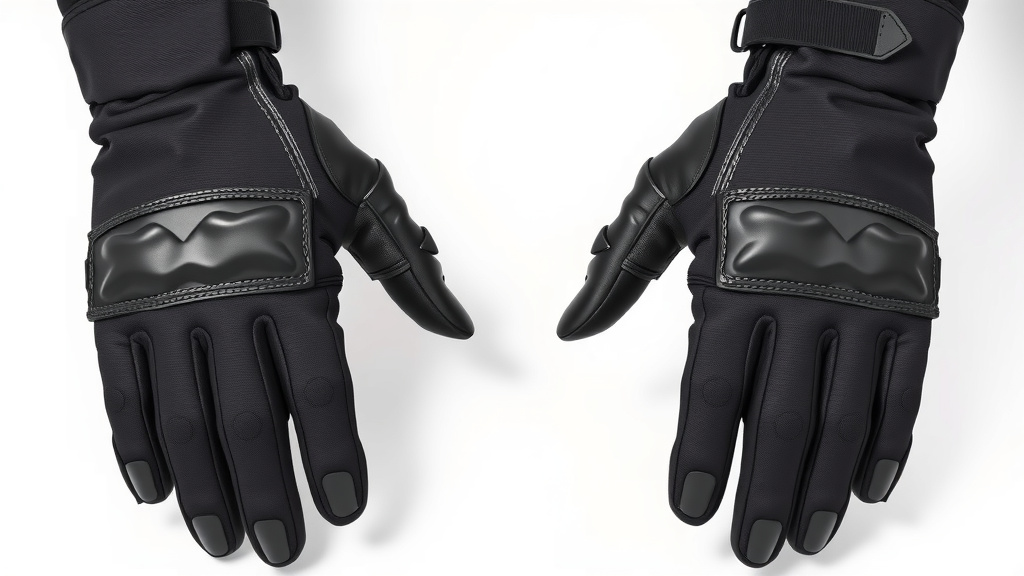
Many high-quality full finger gloves include reinforced palms, knuckle protectors, and padding. These features add an extra layer of safety. They are designed to absorb impact energy and prevent serious injury. Half finger gloves rarely include this level of protective reinforcement.
When to Consider Each Type
For the vast majority of motorcycle riding, full finger gloves are the recommended choice. This includes commuting, touring, sport riding, and off-road adventures. They provide the best overall protection.
Half finger gloves might be considered for very specific, low-risk activities. Some riders use them for casual cruising on very hot days at low speeds where protection is less of a concern. However, it’s important to remember the inherent risk. Many riding organizations and safety experts strongly advise against them for regular use.
A Checklist for Your Decision:
- Do you prioritize maximum protection? → Choose full finger.
- Are you riding in very hot weather and prioritizing airflow? → Consider full finger with ventilation.
- Do you often ride at higher speeds or on highways? → Full finger is essential.
- Are you concerned about abrasions and impact injuries? → Full finger is the clear winner.
- Do you want a glove that offers year-round protection? → Full finger is more versatile.
- Is your budget extremely limited and you’re making a compromise? → Be aware of the safety trade-off.
Ultimately, your safety should be your top priority. Full finger gloves are designed to protect your hands in a way that half finger gloves simply cannot. We found that investing in good quality, full-coverage gloves is one of the smartest decisions you can make as a rider.

Conclusion
When it comes to protecting your hands on a motorcycle, the choice is clear. While half finger gloves might seem appealing for their dexterity and airflow, research and expert advice consistently point towards full finger gloves. Your hands are your first line of defense in a fall, and leaving them exposed significantly increases your risk of severe injury. Modern full finger gloves offer excellent tactile feel and ventilation, proving you don’t have to sacrifice protection for comfort. Make the smart choice for your safety and invest in a quality pair of full finger gloves for all your rides.
Frequently Asked Questions
Are half finger gloves safe for city riding?
While city riding might seem lower risk, accidents can happen at any speed. Half finger gloves leave your knuckles and fingertips vulnerable to abrasions and impacts, even in a slow-speed fall. We strongly recommend full finger gloves for city commuting for essential protection.
Can I get good grip with full finger motorcycle gloves?
Yes, absolutely. Many modern full finger gloves are designed with features like textured palms, pre-curved fingers, and reinforced panels to enhance your grip. You might find they offer a more consistent and secure grip than bare hands or gloves with exposed areas.
Do all full finger gloves offer good ventilation?
Not all, but many do. Look for full finger gloves made with perforated leather or breathable textile panels. These features allow air to circulate, keeping your hands cooler on hot days. They offer a much better balance of protection and comfort than half finger designs.
What if I only ride on very hot days at low speeds?
Even on casual, low-speed rides, your hands are still at risk. A simple slip can lead to road rash or a broken finger. While hot weather might tempt you towards less protection, we’ve found that investing in well-ventilated full finger gloves is a safer bet for any kind of riding.
How do I know if my full finger gloves fit correctly?
Proper fit is crucial for both comfort and control. Your full finger gloves should feel snug but not tight, with no pinching. Ensure you can easily operate all your motorcycle controls without restriction. Your fingertips should reach the end of the glove without pressing against the tip.