Fightcamp Glove Sensors vs Video Analysis: Which is Better
When comparing Fightcamp glove sensors versus video analysis for tracking your boxing progress, glove sensors offer more precise metrics. They directly measure punch speed and power. Video analysis is great for form but lacks that specific data. You get a clearer picture of your performance with sensors.
Both methods aim to improve your training. Sensors track your punch output and intensity. Video analysis helps you see your technique. We found that combining both can be very effective. It’s like having a coach in the room.
- Glove sensors track speed, power, and volume.
- Video analysis helps you perfect your form and technique.
- Sensors give you quantifiable data on your punches.
- Video lets you see yourself as others do.
- Using both can offer the most complete training picture.
Let’s break down how each works and what benefits they bring to your workout routine. We’ll help you decide which is best for your goals.
“`htmlTracking Your Boxing Progress: Sensors vs. Video
Deciding how to best track your boxing training is exciting. You want to see real improvement. Two popular methods are glove sensors and video analysis. Both offer unique benefits. We’ve looked into how they work. Let’s figure out which fits your training style best.
Understanding Fightcamp Glove Sensors
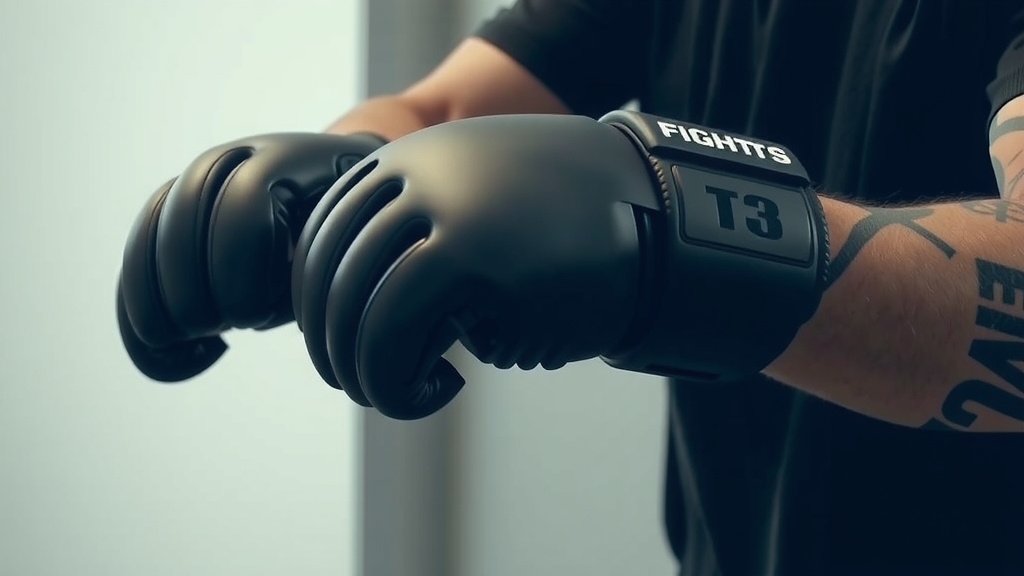
Fightcamp glove sensors are all about numbers. They fit inside your boxing gloves. These sensors measure key metrics of your punches. You get data directly from your hands. Think of them as your personal punch performance tracker.
What Data Do Sensors Provide?
These little gadgets are packed with technology. They can tell you how fast each punch is. They also estimate your punch power. You can see how many punches you throw in a round. This is called punch volume. The sensors capture the intensity of your training sessions. You get a clear, quantifiable picture of your output.
How Do They Improve Your Training?
Having this data helps you train smarter. You can set goals for speed or power. Then, you can track your progress towards those goals. Did you beat your personal best punch speed? The sensor data will tell you. This feedback loop is very motivating. It shows you exactly where you’re improving. It also highlights areas needing more work. Many users find this immediate feedback helps them push harder.
The Role of Video Analysis in Boxing
Video analysis is like having a coach watch your every move. You record yourself training. Then, you watch the footage. This method is fantastic for spotting technical flaws. You can see your stance, your footwork, and your punch form. It’s about the visual aspect of your technique.
What Can You See on Video?
Video lets you see yourself from an outsider’s perspective. You might feel like you’re throwing a perfect jab. Watching the video might reveal a slight droop in your non-punching hand. You can see if your hips are rotating correctly. Your posture is also visible. It helps you achieve that ideal boxing form. Many athletes use video to refine their movement patterns.
Benefits of Visual Feedback
Seeing is believing, right? Video analysis provides concrete visual evidence of your technique. You can rewind, pause, and slow down sections. This helps you pinpoint exactly what needs adjustment. It’s perfect for learning new combinations or improving existing ones. You can also compare your form to professional boxers. This visual comparison can be very instructive.
Comparing the Two Methods Directly
Let’s put them side-by-side. Sensors give you the ‘what’ and ‘how much’ of your punches. Video analysis shows you the ‘how’ – the quality of your technique. They tackle different aspects of your boxing journey.
Data vs. Form: What’s the Difference?
Sensors focus on the objective measurements of your strikes. They tell you if you’re hitting harder or faster. Video focuses on the subjective assessment of your technique. It tells you if you’re looking more like a boxer. One is about raw output, the other about skillful execution.
When to Use Each Method
If you want to track your physical conditioning and punch metrics, sensors are your go-to. They help you quantify your effort. If you’re working on perfecting your technique and developing proper form, video analysis is key. It helps you see the subtle adjustments needed.
Can You Use Both? Absolutely!
Many people find that combining both methods yields the best results. Think of it as getting the complete training package. You get the data from your sensors and the visual feedback from video.
The Power of Combined Training Analysis
When you combine sensors and video, you get a truly holistic view. You can see if your improved punch speed from the sensors correlates with better form on video. For instance, if your jab speed increases, did your elbow stay tucked as it should? Video will show you. Research suggests that multi-faceted feedback leads to more robust skill development (NCBI). This dual approach helps you build both power and precision. It’s like having your own personal training laboratory at home. You can track everything from your raw output to the elegance of your technique.
Creating Your Training Dashboard
Imagine reviewing your workout. You see you threw 150 punches in three rounds. Your average punch speed was 25 mph. Your power score was high. Then, you watch the video. You notice your back foot is lifting too early on your cross. You can make a specific adjustment for your next session. You’ll then use your sensors to see if that adjustment improved your power or speed. This creates a powerful feedback loop. It’s a smart way to train and guarantee progress.
Making the Right Choice for You
So, which is better for you? It depends on your goals. Are you focused on raw power and conditioning? Or are you prioritizing technique refinement? Many users find that sensors provide motivation through tangible results. Video analysis offers confidence through perfected form. Both have their place.
Quick Checklist for Your Training Needs:
- Do you want to track punch speed and power? (Glove Sensors)
- Are you focused on improving your boxing stance and footwork? (Video Analysis)
- Do you need quantifiable data for motivation? (Glove Sensors)
- Is visual feedback essential for correcting technique? (Video Analysis)
- Do you want a complete picture of your performance? (Both)
Ultimately, the best approach often involves integrating both tools. You get the best of both worlds. This ensures your training is both data-driven and technically sound. It’s a fantastic way to maximize your potential in the ring.
“`Conclusion
You’ve seen how both Fightcamp glove sensors and video analysis offer unique ways to boost your boxing training. Sensors give you hard numbers on punch speed and power, helping you track your physical progress and conditioning. Video analysis lets you visually inspect and refine your form, ensuring your technique is sharp. For the most complete picture, combining both is your best bet. You can correlate your punch data with how your body is moving. Start by trying one based on your immediate goals, and then consider adding the other for a truly powerful training system.
Frequently Asked Questions
Can I use glove sensors without a Fightcamp subscription?
Yes, you can often use Fightcamp glove sensors with their app for basic tracking even without a full subscription. Check Fightcamp’s current offerings for details on what features are available in different tiers. You’ll likely still get core metrics like punch count and speed.
Is video analysis only useful for beginners?
No, video analysis is incredibly useful for boxers of all levels. Advanced fighters use it to fine-tune micro-movements and analyze opponents. It helps everyone, from beginners learning stances to pros perfecting punch timing, identify areas for improvement.
How often should I review my sensor data and videos?
Reviewing your sensor data after each workout is a great way to see immediate feedback. For video analysis, dedicating time once a week or after a significant training block is often effective. This allows you to spot trends and make adjustments strategically.
Will sensors tell me if my punches are actually effective?
Sensors measure the speed and power of your punches, which are indicators of effectiveness. However, they don’t measure ring effectiveness, which involves timing, accuracy, and opponent reaction. You’ll need to combine sensor data with sparring or coach feedback for that.
Can I use my phone’s camera for video analysis?
Absolutely! Your smartphone is a fantastic tool for video analysis. Simply set it up to record your training sessions from different angles. You can then use various apps or simply your phone’s built-in player to review your form.