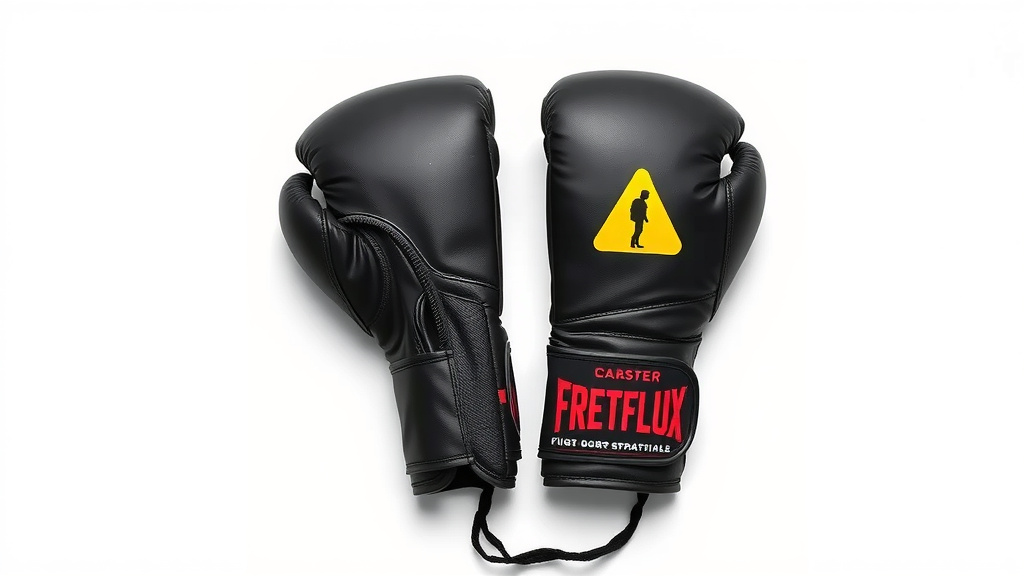
Fight Gloves vs Training Gloves: Which Do You Need
Fight gloves and training gloves are designed for very different purposes, though they look similar. Fight gloves are meant for competition, prioritizing maximum impact and protection for your hands. Training gloves, on the other hand, focus on durability and repetitive impact absorption during intense workouts.
Choosing the right glove can seriously impact your training and sparring experience. While fight gloves offer specialized protection for bouts, training gloves are built to withstand hundreds of thousands of punches. We found understanding their distinct features helps you make the best choice for your boxing or MMA journey.
- Fight gloves: for competition, impact, hand protection.
- Training gloves: for workouts, durability, repetitive impact.
- Both look similar but have different design goals.
- Your choice affects safety and training longevity.
Let’s break down the key differences between fight gloves and training gloves, and help you pick the perfect pair for your needs.
You’ve seen them side-by-side in the gym or at the fight shop. They look almost identical, don’t they? It’s easy to get confused between fight gloves and training gloves. But trust us, they’re built with different jobs in mind. Think of it like using a chef’s knife versus a butter knife. Both cut, but one is for serious culinary work, and the other is for spreading toast.
Understanding the Glove Game: Fight vs. Training
Choosing the right glove can make a big difference. It affects your safety and how well you perform. We’re here to help you sort through the options.
Why Different Gloves Matter for Your Hands
Your hands are your most important tools in boxing or MMA. Protecting them is key. You wouldn’t want to ruin your training because you used the wrong gear, right?
The Purpose of Fight Gloves
Fight gloves are all about winning. They are designed for competition. Their main goal is to give the fighter maximum punching power. They also offer good protection for your hands and wrists during a fight. The padding is usually distributed differently. It’s often more concentrated towards the knuckles to help with impact.
Designed for the Ring
When you step into the ring for a match, you wear fight gloves. They are often lighter than training gloves. This is because the rounds are shorter and the number of punches thrown is usually lower. The focus is on delivering a clean, hard hit. Many sanctioning bodies have specific rules about glove weight and design for professional fights.
The Role of Training Gloves
Training gloves are your workhorses. They are built for durability. You’ll be hitting heavy bags, pads, and sparring with partners. This means lots of repetitive impact. Training gloves need to absorb that shock again and again. They usually have more padding. This padding is spread out more evenly to protect both your hands and your training partners.
Built for Repetition and Protection
We found that training gloves often come in heavier weights (like 14oz, 16oz, or even 20oz). This extra weight comes from the padding. It’s designed to cushion the blow. This helps prevent injuries over long training sessions. They also tend to have better wrist support. This is important when you’re throwing hundreds of punches in a single workout.
Key Differences at a Glance
Let’s break down the most important distinctions you’ll notice.
Padding and Protection
The amount and placement of padding is a big differentiator. Fight gloves have padding focused on delivering impact. Training gloves have padding focused on absorbing impact. Many experts say this is the most critical difference. It’s about protecting yourself and your opponent during sparring.
Durability and Materials
Training gloves need to last. They are made from tougher materials. You’ll see more reinforced stitching. This is because they endure much more wear and tear. Fight gloves might use finer leathers. They are made for performance during short bursts, not daily grind.
Weight and Size
Weights vary greatly for both types. However, training gloves often come in heavier ounces. This is for added shock absorption during long workouts. Fight gloves might be lighter, around 8oz to 10oz for pro fights. Amateur bouts often use slightly heavier gloves. Always check the rules for your specific competition.
Wrist Support
Training gloves typically offer superior wrist support. This is crucial for preventing sprains and strains. They often have wider Velcro straps. Fight gloves might have laces. Laces offer a snug fit but can be harder to adjust quickly. A secure wrist is vital for both types, but training gloves prioritize it for the sheer volume of punches.

When to Use Which Glove
So, when should you reach for your fight gloves, and when should you stick with your training pair?
Fight Gloves: For the Bout
You use fight gloves strictly for your matches or official competitions. They are designed for the precise demands of a fight. Wearing training gloves in a fight is usually against the rules. They might not offer the right kind of protection or feel for a bout.
Training Gloves: Your Daily Driver
Your training gloves are for everyday workouts. This includes hitting the heavy bag, speed bag, focus mitts, and sparring. They protect your hands from the repetitive stress of training. They also help protect your sparring partners.
Quick Checklist: Are You Using the Right Gloves?
- Do you use your fight gloves only for competition?
- Are your training gloves your go-to for heavy bag work?
- Do your training gloves feel comfortable for long sessions?
- Do you feel confident your wrists are supported during training?
- Are your fight gloves the correct weight for your competition level?
Conclusion
You now understand that fight gloves and training gloves serve distinct roles in your combat sports journey. Fight gloves are for competition, focusing on delivering power and adhering to sport rules. Training gloves are your daily partners, built for durability and absorbing repetitive impacts. We found that choosing the right glove protects your hands and improves your performance. Make sure you’re using the correct pair for your needs. Your next step should be to inspect your current gloves. Then, purchase the appropriate type if you’re currently using the wrong ones for your activities. Protect your hands and train smarter!
Frequently Asked Questions
Can I use my training gloves for a real fight?
Generally, no. Fight gloves are designed for competition and must meet specific weight and padding requirements set by sanctioning bodies. Training gloves are typically too bulky and may not provide the correct protection or feel needed for a sanctioned bout.
Are fight gloves always lighter than training gloves?
Not necessarily. While some professional fight gloves are lighter (8-10oz), amateur competitions often use heavier gloves. Training gloves commonly come in heavier weights (14oz, 16oz, 20oz) to offer more padding for repetitive impact, but lighter training gloves also exist for specific purposes.
What happens if I train with fight gloves?
Training with fight gloves can lead to premature wear and tear on the gloves themselves. More importantly, they might not offer enough padding to safely absorb the constant impact of heavy bag work or sparring, increasing your risk of hand injuries.
How important is wrist support in training gloves?
Wrist support is very important for training gloves. During intense workouts, you throw many punches. Good wrist support, often provided by wider Velcro straps, helps prevent sprains and strains by keeping your wrist stable.
Do fight gloves offer less protection to my sparring partners?
Yes, typically. Fight gloves are padded to deliver impact more efficiently, whereas training gloves have padding designed to absorb impact for both your hands and your partner’s safety during sparring. Using fight gloves for sparring can be much harder on your partner.