Chloroprene vs Neoprene Gloves: Key Differences Explained
When comparing chloroprene vs. neoprene gloves, the key difference lies in their naming: Neoprene is a brand name for synthetic rubber made from chloroprene. So, technically, all neoprene is chloroprene, but not all chloroprene is branded as Neoprene. Both offer excellent resistance to chemicals and abrasion, making them solid choices for many tasks.
You might be wondering which is better for your needs. Understanding the properties of chloroprene rubber is essential. It’s known for its flexibility and durability, even in colder temperatures. This makes it a popular material for protective gear, from gloves to wetsuits. We found that many users choose based on the specific formulation and intended use.
- Chloroprene is the base chemical.
- Neoprene is a brand name for a material made from chloroprene.
- Both are durable and chemical-resistant.
- Choice often depends on specific product formulation.
Let’s dive deeper into what makes these gloves so effective and help you decide which might be the perfect fit for your hands!
You’ve got the basics of chloroprene and neoprene down. Now, let’s get into the nitty-gritty. Understanding the properties of these materials can help you pick the perfect glove for your job. Think of it like choosing the right tool for a specific task. You wouldn’t use a hammer to screw in a bolt, right? The same applies to protective gloves.
Understanding Chloroprene and Neoprene Rubber Properties
When you’re looking at gloves, you’re often comparing different types of synthetic rubber. Chloroprene is the building block. Neoprene is a specific type of rubber made from chloroprene. So, they’re closely related! Both materials are known for their flexibility and durability. They also offer good resistance to a range of chemicals and physical damage.
What is Chloroprene Rubber?
Chloroprene rubber, often called polychloroprene, is a synthetic elastomer. It’s made through the polymerization of chloroprene. This process creates a material with a unique set of properties. It’s a popular choice for many industrial and consumer products. Many experts say its balanced performance makes it a versatile material (National Institute of Standards and Technology).
Key Characteristics of Chloroprene
Chloroprene rubber stands out for several reasons. It’s resistant to oil and grease. This makes it great for handling certain types of materials. It also shows good resistance to ozone and weathering. This means it can hold up well even when exposed to sunlight and the elements. Plus, it’s flame-retardant, which is a big plus in many work environments.
Flexibility in Various Temperatures
One of the major advantages of chloroprene is its flexibility. It doesn’t get stiff and brittle in cold temperatures. This is why you see it used in wetsuits. You’ll find it maintains its elasticity better than some other synthetic rubbers when the mercury drops. This is a **critical feature** for anyone working outdoors or in cool conditions.
What is Neoprene?
Now, let’s talk about neoprene. As we mentioned, neoprene is actually a brand name. It was developed by DuPont in the 1930s. It’s a specific type of synthetic rubber made from chloroprene. When people say “neoprene gloves,” they are usually referring to gloves made from this specific material. Think of it like “Kleenex” for tissues – it’s a common brand that has become synonymous with the product itself.
The DuPont Neoprene Difference
DuPont’s formulation of neoprene provided a material that was highly resistant to degradation. This means it stands up well against heat, chemicals, and physical wear. The brand name “Neoprene” often implies a certain standard of quality and performance. Many users trust it for its consistent reliability.
Neoprene vs. Generic Chloroprene
So, what’s the practical difference for you? When you buy gloves labeled “Neoprene,” you’re getting a product made from a specific, well-established material. Gloves labeled simply “chloroprene” might be made from a similar synthetic rubber. However, the exact formulation could vary. This can affect its specific resistance properties and durability. It’s always a good idea to check the product details.
Comparing Chloroprene and Neoprene Gloves for Your Needs
When you’re choosing between these gloves, think about the specific hazards you’ll face. Both offer great protection, but there can be subtle differences based on how they are made and what they are designed for. We found that the application dictates the best choice.
Chemical Resistance
Both chloroprene and neoprene offer excellent resistance to a wide range of chemicals. This includes acids, bases, alcohols, and oils. However, the degree of resistance can vary. For instance, some formulations of chloroprene might offer superior protection against certain solvents. Always check the chemical resistance chart provided by the glove manufacturer. This is vital for ensuring you have the right barrier.
Physical Durability and Abrasion Resistance
Gloves made from these materials are known for their toughness. They can withstand punctures and tears quite well. This makes them suitable for tasks involving sharp objects or rough surfaces. Many experts suggest that the thickness and specific compounding of the rubber play a big role in its abrasion resistance (Occupational Safety and Health Administration).
Dexterity and Comfort
Comfort is key, especially if you’ll be wearing gloves for long periods. Both chloroprene and neoprene can be manufactured to be quite flexible. This allows for good dexterity. You want to be able to move your fingers freely. Some thinner neoprene gloves offer excellent tactile sensitivity. This is important for tasks requiring fine motor skills.
Temperature Performance
As we touched on earlier, chloroprene and neoprene perform well in cooler temperatures. They remain flexible where natural rubber might stiffen. This makes them a good choice for working in refrigerated environments or outdoors during colder months. Some formulations are even designed to handle moderate heat.
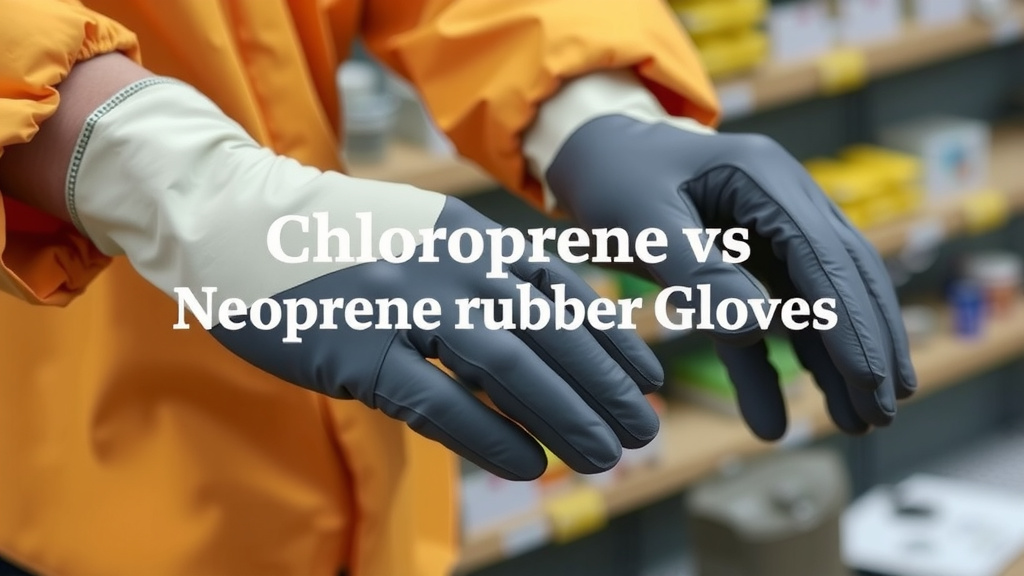
Making Your Choice: A Quick Checklist
To help you decide, here’s a quick rundown of what to consider:
- What specific chemicals will you be handling?
- Do you need protection from oils and greases?
- Will your work involve rough surfaces or sharp objects?
- How important is flexibility in cold weather?
- What level of dexterity do you require for your tasks?
- Is extreme heat or flame resistance a concern?
By answering these questions, you can narrow down the best type of chloroprene or neoprene glove for your specific needs. Remember, always refer to the manufacturer’s specifications for the most accurate information.
Conclusion
You’ve learned that the main difference between chloroprene and neoprene gloves is branding. Neoprene is a popular brand name for a synthetic rubber made from chloroprene. Both materials offer excellent protection against chemicals, oils, and physical wear. Your choice really depends on the specific task. We found that checking the glove manufacturer’s specifications is key. This ensures you get the right level of protection and comfort for your hands. Always refer to the product details before making your final decision!
Frequently Asked Questions
Are chloroprene gloves and neoprene gloves exactly the same?
Not exactly. Neoprene is a brand name for a type of synthetic rubber made from chloroprene. Think of it like “Kleenex” for tissues. So, while neoprene is made of chloroprene, not all chloroprene rubber products are branded as Neoprene. The formulation can vary between brands.
Which type is better for handling strong chemicals?
Both offer good chemical resistance, but the exact formulation matters. Some chloroprene or neoprene gloves might be better suited for specific solvents or acids. It’s always best to consult the glove manufacturer’s chemical resistance chart for your specific needs.
Can I use these gloves in cold weather?
Yes, you can! Chloroprene and neoprene are known for staying flexible in colder temperatures. This is a major advantage over materials like natural rubber, which can become stiff and brittle when it’s cold.
How do I know if a glove offers enough dexterity?
Glove thickness and the specific rubber compound affect dexterity. Thinner neoprene or chloroprene gloves often provide better tactile sensitivity for tasks requiring fine motor skills. Check product descriptions for details on flexibility and feel.
What if my work involves rough surfaces?
Both chloroprene and neoprene gloves generally offer good abrasion resistance. The thickness of the glove and its specific construction will determine how well it holds up against rough surfaces and potential punctures or tears.