Catcher Glove vs. Regular Glove: Key Differences Explained
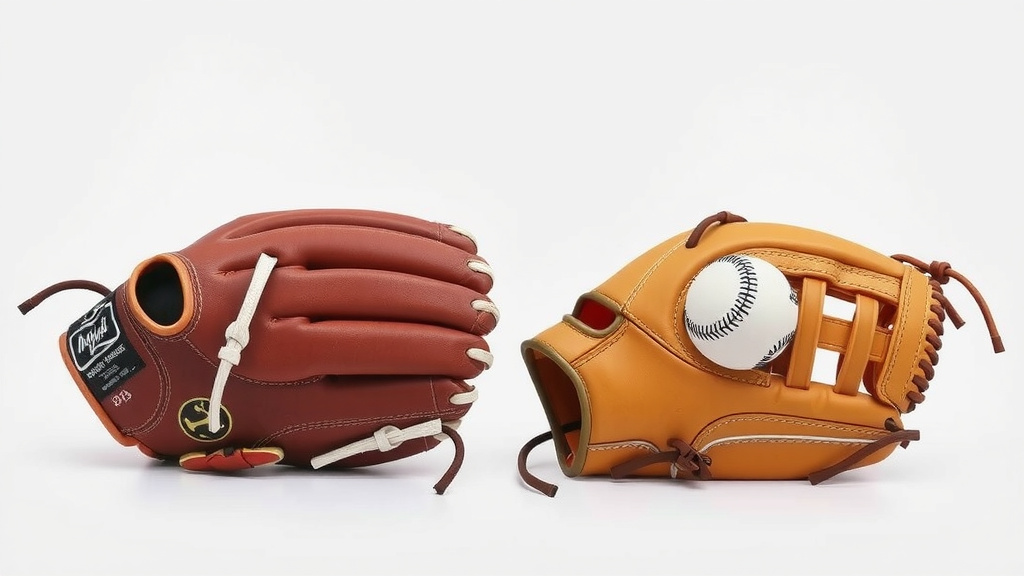
A catcher’s glove is a specialized piece of equipment designed for receiving fast pitches, while a normal baseball glove is for fielding. Catching gloves are much larger and more padded to protect your hand from impact. They also have a deeper pocket to help secure the ball.
Think of it like this: your average fielder’s glove is like a scoop. A catcher’s mitt is more like a heavy-duty catcher’s mitt. This difference in design makes them ideal for their specific jobs on the field. Using the wrong glove can lead to pain or injury.
- Catchers need gloves with extra padding.
- Fielding gloves are lighter and more flexible.
- Size and pocket depth are key differences.
- Using the wrong glove isn’t recommended.
Ready to learn more about how these gloves differ and which one is right for your game? Let’s break down the main distinctions so you can make the best choice.
You’ve seen them on the field – those big, padded mitts that catchers wear. They look pretty different from the gloves other players use, right? But why? Is it just for show, or is there a real reason behind those differences? Let’s dive into what makes a catcher’s glove unique and how it stacks up against a standard fielding glove.
Understanding the Catcher’s Mitt vs. Fielding Glove Divide
The main reason for the difference is simple: different jobs. A catcher’s mitt is built for one specific, high-impact task. A fielding glove is designed for a variety of other plays. Think of it like a specialized tool versus an all-purpose one.
The Catcher’s Unique Role
Catchers are the anchors behind home plate. They have to block pitches, frame them to look like strikes, and be ready for bunts or steals. This means they’re constantly dealing with high-velocity balls aimed right at their hands.
The Need for Protection
Catching isn’t always gentle. Fastballs, curveballs, and sliders can sting. A catcher’s glove is heavily padded to absorb this shock. This padding protects the catcher’s hand from injury. Without it, catching consistently would be painful, if not impossible.
Securing the Pitch
Another key job for a catcher is to make sure the ball stays in the mitt. This is where the deep pocket comes in. It’s designed to wrap around the ball, preventing it from popping out. This helps prevent passed balls and allows for quick transfers to throw runners out.
The Standard Fielding Glove
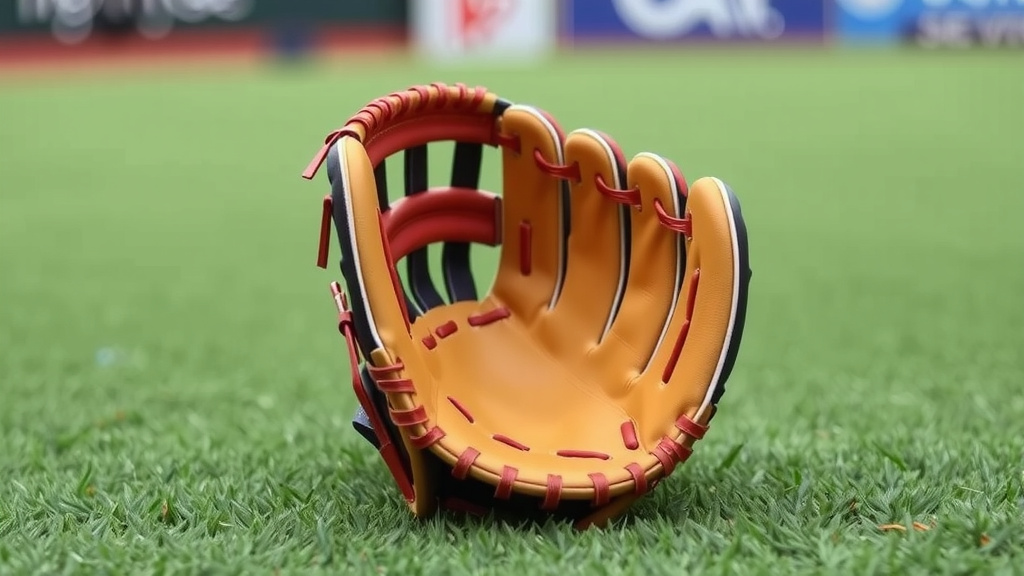
Now, let’s look at a normal fielding glove. These are used by infielders and outfielders. Their primary goal is to help you catch batted balls and throw them quickly. They need to be flexible and responsive.
Flexibility and Control
Fielders often need to scoop ground balls or snag fly balls in various ways. A more flexible glove allows for better feel and control. You need to be able to close your hand around the ball easily. This is why fielding gloves tend to be lighter.
A Shallower Pocket
Compared to a catcher’s mitt, fielding gloves have a shallower pocket. This design is intentional. It helps you get the ball out of your glove quickly for a throw. Imagine trying to get a ball out of a deep catcher’s mitt fast enough to throw a runner out at second base – it wouldn’t work well!
Key Design Differences at a Glance
Let’s break down the most noticeable differences you’ll see when comparing these two types of gloves. These features are what set them apart for their specific roles.
Padding and Protection
This is perhaps the most obvious difference. Catcher’s mitts are loaded with padding, especially around the thumb and the heel of the glove. We found that this padding is essential for absorbing the repeated impact of pitches thrown at high speeds (Baseball America).
Fielding gloves have some padding, of course. But it’s much less than what you’d find in a catcher’s mitt. The focus is more on durability and feel rather than extreme impact absorption.
Size and Shape
Catcher’s mitts are typically larger and rounder than fielding gloves. They often don’t have individual finger stalls. Instead, the mitt is one large pocket designed to catch the ball. This shape helps create that deep pocket we talked about.
Fielding gloves, on the other hand, come in a variety of sizes and shapes depending on the position. Infielders might use smaller gloves for quicker transfers. Outfielders often use larger gloves to help them reach for fly balls.
Pocket Depth
As mentioned, catcher’s mitts have a very deep pocket. This is crucial for securing fast pitches and preventing them from bouncing out. It’s like a sturdy basket for the ball.
Fielding gloves have a shallower pocket. This makes it easier to quickly get your hand on the ball for a throw. You want to transfer the ball from your glove to your throwing hand with minimal delay.
Break-in Period
Both types of gloves need to be broken in. However, catcher’s mitts often require a more extensive break-in process due to their stiffer materials and heavier padding. Many players use various methods to soften them up.
Fielding gloves generally have a shorter break-in period. They are designed to be more pliable from the start, allowing players to feel the ball more easily.
Comparing the Two: A Quick Table
To help you visualize the differences, here’s a simple comparison:
| Feature | Catcher’s Mitt | Fielding Glove |
|---|---|---|
| Primary Purpose | Receiving pitches | Fielding batted balls, making throws |
| Padding | Heavy, especially in heel and thumb | Moderate, for protection and feel |
| Pocket Depth | Deep | Shallower |
| Flexibility | Less flexible (initially) | More flexible |
| Size/Shape | Larger, rounder, often no finger stalls | Varied sizes, individual finger stalls |
| Break-in | Longer, more involved | Shorter, less involved |
Why Using the Wrong Glove is a Bad Idea
You might be tempted to grab any glove to play ball. But using a fielding glove as a catcher, or vice versa, can lead to trouble. It’s really about injury prevention and performance.
Risks for Catchers Using Fielding Gloves
If you’re catching with a standard fielding glove, your hand is going to take a beating. The lack of padding means you’re directly absorbing the force of every pitch. This can lead to bruised fingers, strained wrists, and even more serious injuries over time.
Plus, it’s just harder to catch the ball! That shallower pocket and less structured design make it difficult to secure pitches. You’ll likely find yourself dropping more balls, which can frustrate you and your pitcher.
Risks for Fielders Using Catcher’s Mitts
On the flip side, trying to field with a catcher’s mitt is also a bad idea. While it offers great protection, it’s just too bulky and stiff for the quick, precise movements needed to field grounders or fly balls. You’ll likely feel clumsy and slow.
The deep pocket makes it difficult to get the ball out for a throw. This delay can mean the difference between an out and a runner reaching base safely. It just doesn’t offer the agility required for most fielding positions.
Making the Right Choice for Your Game
So, when do you choose which glove? It’s straightforward: if you’re playing catcher, you need a catcher’s mitt. If you’re playing any other position, you’ll need a fielding glove.
Checklist for Glove Selection
Here’s a quick guide to help you decide:
- Are you primarily playing the catcher position?
- Do you need extra padding to absorb fast pitches?
- Is a deep pocket essential for securing the ball?
- Are you playing an infield or outfield position?
- Do you need a lighter, more flexible glove for quick transfers?
- Is a shallower pocket better for fast throws?
If you answered “yes” to the first three questions, you need a catcher’s mitt. If you answered “yes” to the last three, a fielding glove is your best bet. Making the right choice ensures you play your best and stay safe on the field.
Conclusion
You now understand the key differences between a catcher’s mitt and a standard fielding glove. Remember, a catcher’s mitt is all about heavy padding and a deep pocket to protect your hand and secure fast pitches. A fielding glove offers more flexibility and a shallower pocket for quick transfers. Using the wrong glove isn’t just uncomfortable; it can lead to injury and hinder your performance. So, make the smart choice for your position. If you’re behind the plate, gear up with a catcher’s mitt. For all other positions, a fielding glove is your best bet. Choose wisely and play with confidence!
Frequently Asked Questions
Can I use my fielder’s glove to catch with if I’m playing catcher for a game?
While it might be tempting in a pinch, we strongly advise against it. A fielder’s glove lacks the necessary padding to absorb the impact of pitches. You risk significant pain and potential injury to your hand and wrist by using it as a catcher’s mitt.
Is it harder to catch a ball with a catcher’s mitt compared to a fielder’s glove?
It’s a different skill. Catcher’s mitts are designed to close around the ball in their deep pocket, making it easier to secure pitches. Fielding gloves, with their shallower pockets, are built for quicker ball transfer to your throwing hand for faster plays.
Do catcher’s mitts really need that much padding?
Yes, they absolutely do. Catchers regularly receive pitches thrown at very high speeds. The substantial padding is essential for absorbing this repeated impact and protecting the catcher’s hand from bruising and more serious injuries over time.
How long does it typically take to break in a catcher’s mitt?
Catcher’s mitts generally have a longer and more involved break-in period than fielding gloves. Due to their heavy padding and stiffer construction, it can take weeks or even months of consistent use and conditioning to get them game-ready.
Can a fielder use a catcher’s mitt for their position?
It’s not recommended for most fielding positions. The bulkiness and deep pocket of a catcher’s mitt make it difficult to control and quickly transfer the ball. This lack of agility can slow down your game and make plays harder to execute efficiently.