Butyl vs Nitrile Gloves: Which is Best for You
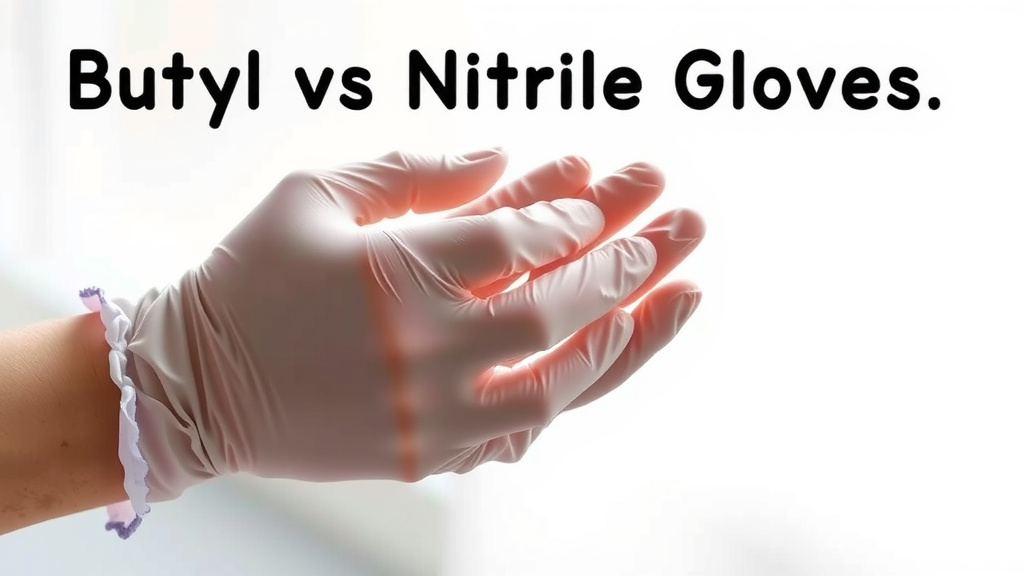
Choosing between butyl gloves and nitrile gloves depends on your specific needs for protection. Nitrile gloves offer excellent protection against a wide range of chemicals and punctures, making them a popular choice for many tasks. Butyl gloves, on the other hand, provide superior resistance to highly aggressive chemicals and gases, often outperforming nitrile in these demanding situations.
Your choice really boils down to the hazards you’ll be facing. While nitrile is a fantastic all-around performer for general lab work or cleaning, butyl gloves are the top pick when you need the absolute best defense against specific, harsh substances. Both are great options, but their strengths lie in different areas of protection.
- Nitrile is great for general chemical and puncture resistance.
- Butyl excels against highly aggressive chemicals and gases.
- Consider the specific hazards you face.
- Both offer good protection when used correctly.
Let’s break down the differences between these two types of gloves so you can make the best choice for your safety.
Comparing Butyl Gloves to Nitrile: What’s the Difference?
When you’re gearing up for a task that involves chemicals, the right gloves are your first line of defense. You might be wondering about the differences between butyl gloves and nitrile gloves. Both are excellent choices, but they shine in different situations. Think of them as specialized tools in your safety kit.
We’ve researched the common uses and protective qualities of both. This will help you understand which glove type better suits your needs. Let’s get into the details so you can feel confident in your choice.
Nitrile Gloves: The All-Around Workhorse
Nitrile gloves have become incredibly popular for a reason. They offer a fantastic balance of protection and comfort for many everyday tasks. You’ll often find them in medical settings, automotive shops, and around the house.
What Makes Nitrile Gloves So Popular?
Research shows nitrile is made from a synthetic rubber. This material is known for its durability and resistance to a wide array of substances. They are less likely to cause allergic reactions compared to latex gloves. This makes them a safe bet for many people.
Protection Offered by Nitrile
Nitrile gloves provide excellent protection against many common chemicals, including certain acids, bases, oils, and solvents. They are also highly resistant to punctures and tears, which is a big plus when you’re handling sharp objects or working in rough environments.
Many safety guidelines suggest nitrile for tasks involving:
- General laboratory work
- Handling cleaning solutions
- Automotive maintenance (oil and grease resistance)
- Food service
- Basic medical procedures
We found that their good dexterity allows for precise movements, which is essential for detailed work.
Butyl Gloves: The Heavy-Duty Specialist
If your work involves exposure to particularly harsh or hazardous chemicals, butyl gloves might be your best option. They are designed for serious protection where other gloves might fall short.
When Are Butyl Gloves the Right Choice?
Butyl rubber is a synthetic material that is known for its exceptional resistance to gases and vapors. It’s also a top performer against a narrower, but more aggressive, range of chemicals. Think of them as the superhero cape for your hands when facing chemical villains.
Superior Chemical Resistance of Butyl
Many experts point to butyl rubber’s unique molecular structure. This makes it very difficult for certain chemicals, especially ketones and esters, to penetrate. It also offers excellent protection against strong acids and oxidizers.
You’ll often see butyl gloves recommended for situations involving:
- Handling highly toxic chemicals
- Working with certain strong acids and solvents
- Exposure to potent gases and vapors
- Emergency response situations
- High-risk chemical manufacturing
We found that their barrier properties against gases are particularly noteworthy, often exceeding those of other glove materials (National Institute for Occupational Safety and Health – NIOSH).
Potential Drawbacks of Butyl Gloves
While butyl gloves offer superb chemical resistance, they do have some trade-offs. They tend to be thicker and less flexible than nitrile gloves. This can sometimes reduce the tactile feel or dexterity you need for very fine tasks.
Additionally, they can be more expensive. You might also find them less readily available than nitrile gloves in general retail settings.
Key Differences Summarized
Let’s lay out the main distinctions side-by-side so you can easily compare.
| Feature | Nitrile Gloves | Butyl Gloves |
|---|---|---|
| Primary Strength | Broad chemical resistance, puncture resistance, general use | Exceptional resistance to aggressive chemicals, gases, and vapors |
| Chemical Range | Good against oils, solvents, many acids and bases | Excellent against ketones, esters, strong acids, oxidizers, and gases |
| Dexterity/Feel | Generally good, thinner options available | Can be thicker, potentially reducing fine motor control |
| Puncture Resistance | High | Good, but often secondary to chemical barrier |
| Common Uses | Medical, food service, cleaning, auto repair | Chemical manufacturing, emergency response, hazardous materials handling |
Nitrile vs. Butyl: Which Offers Better Protection?
The answer truly depends on what you’re protecting yourself from. For general-purpose chemical handling and puncture risks, nitrile is a superb choice. It’s versatile and reliable.
However, if your work involves high-risk chemicals, potent gases, or substances known to degrade other materials, butyl gloves are the clear winner. They provide a higher level of defense in those specific, demanding scenarios.
We found that improper glove selection can lead to serious safety issues (Occupational Safety and Health Administration – OSHA). Always check the chemical resistance charts provided by glove manufacturers.
Making Your Final Glove Choice
To pick the right glove, you need to understand the hazards you’ll encounter. Ask yourself these questions:
- What specific chemicals will I be working with?
- Will I be exposed to strong gases or vapors?
- Do I need to handle sharp objects frequently?
- How important is fine motor control for my task?
- What is my budget for safety equipment?
Consider the duration of your exposure as well. Some gloves may protect for short periods but degrade over longer contact times.
A Quick Glove Selection Checklist
To help you decide, run through this quick checklist:
- Identify Chemicals: List every chemical you’ll use.
- Check Resistance Data: Consult manufacturer charts for both nitrile and butyl.
- Assess Task Dexterity: Can you perform your task comfortably and safely?
- Consider Exposure Time: How long will your hands be in contact with the hazard?
- Review Budget: Does the cost fit within your safety equipment needs?
- Look for Certifications: Ensure gloves meet relevant safety standards for your industry.
By carefully considering these points, you can confidently select the gloves that will provide the best protection for you and your hands.
Conclusion
Choosing between butyl and nitrile gloves comes down to understanding your specific work environment. Nitrile gloves are your reliable choice for general chemical protection and everyday tasks, offering good defense against punctures too. Butyl gloves are the heavy-duty specialist, essential when you face aggressive chemicals, potent gases, or vapors where maximum barrier protection is needed. Always consult chemical resistance charts to confirm suitability for your exact situation. Your hands are your most important tools, so make sure you’re equipping them with the right protection for the job at hand.
Frequently Asked Questions
Can I use nitrile gloves for all chemical tasks?
Nitrile gloves offer broad protection against many common chemicals like oils, solvents, and some acids. However, they may not provide sufficient resistance against highly aggressive substances or certain gases. For those specific hazards, butyl gloves are a much safer choice.
Are butyl gloves good for handling sharp objects?
Butyl gloves offer good puncture resistance, but their primary strength lies in their superior chemical barrier properties. If your main concern is protection from sharp objects, you might find nitrile gloves offer a better combination of dexterity and puncture resistance for such tasks.
How long do butyl gloves typically last?
The lifespan of butyl gloves depends heavily on the chemicals they encounter and the duration of exposure. While they offer excellent resistance, prolonged contact with aggressive substances can still lead to degradation. Always check manufacturer data for specific breakthrough times for the chemicals you are using.
Are butyl gloves more expensive than nitrile gloves?
Generally, yes. Butyl gloves tend to be more expensive than nitrile gloves due to the specialized materials and manufacturing processes involved. This higher cost reflects their advanced protection capabilities for hazardous chemical handling.
Can I reuse butyl or nitrile gloves?
The reusability of gloves depends on their intended use and the type of contamination. For tasks involving hazardous chemicals, it’s safest to assume gloves are single-use to prevent cross-contamination. Always follow industry best practices and manufacturer recommendations for reuse.