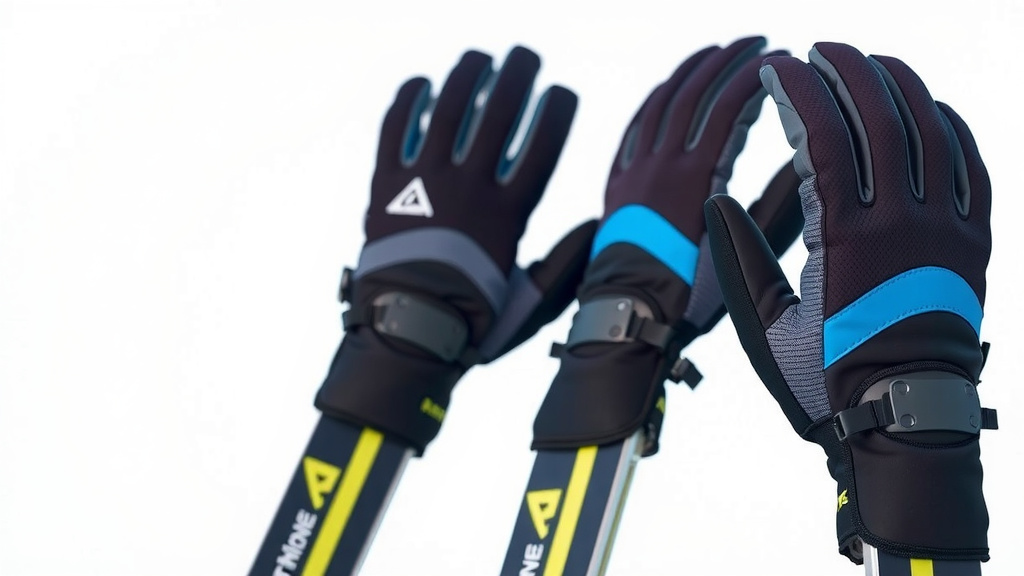
Burton vs Dakine Gloves: Which Ski Glove Reigns Supreme
When comparing Burton versus Dakine gloves, it really comes down to personal preference and your specific needs on the mountain. Both brands offer excellent gloves, but we found that Burton often excels in premium warmth and style, while Dakine shines with durability and a wider range of technical features for various conditions.
Your choice might depend on whether you prioritize staying toasty on the coldest days or need a glove that can handle backcountry adventures. We’ve researched how each brand approaches materials, insulation, and design to help you find the perfect fit for your hands. Think about where you ride most often.
- Burton gloves are great for warmth and stylish looks.
- Dakine gloves often focus on durability and technical features.
- Consider your typical riding conditions.
- Both brands are solid choices for skiers and snowboarders.
Let’s break down the key differences between Burton and Dakine gloves to help you make the best decision for your next pair.
Deciding between Burton and Dakine gloves is like choosing between two great paths up your favorite mountain. Both will get you to the summit, but they offer a slightly different journey. You’re probably wondering about the big differences. We’ve looked into what makes each brand tick, so you can feel confident picking the pair that’s right for your hands.
Comparing Top Snowboard Glove Brands: Burton vs. Dakine
When you’re out on the slopes, your hands are your connection to your gear. They need to be warm, dry, and comfortable. Burton and Dakine are two giants in the snow sports world. They both make excellent gloves, but they often approach design and features with different priorities. Let’s break down what sets them apart so you can make an informed choice.
Burton Gloves: Warmth and Style on the Mountain
Burton is a name many snowboarders trust. They’re known for their commitment to quality and rider-focused design. When you look at Burton gloves, you’ll often find a strong emphasis on keeping your hands toasty warm, even on the chilliest days. They achieve this through thoughtful insulation choices and materials.
Insulation and Materials in Burton Gloves
Burton uses a variety of insulation types. These include their proprietary Thermacore insulation, which is designed to be lightweight yet incredibly warm. They also frequently incorporate down or synthetic fill for maximum loft and heat retention. Many Burton gloves feature a waterproof and breathable membrane, like Gore-Tex, to keep moisture out while letting sweat vapor escape. This keeps your hands dry from the inside out.
Design and Fit of Burton Gloves
Beyond just warmth, Burton pays attention to how their gloves feel and fit. They offer a range of fits, from slim and performance-oriented to more relaxed and comfortable. You’ll often find features like a soft fleece lining for extra comfort against your skin. Many models also have a bit more style, with attractive colorways and design elements that look good both on and off the mountain.
Dakine Gloves: Durability and Technical Features
Dakine has built a strong reputation for making gear that lasts. They are a go-to brand for many who spend a lot of time in the backcountry or deal with varied weather conditions. Dakine gloves often feel robust and are engineered with specific technical features to handle different demands.
Durability and Construction
Dakine frequently uses tough materials like leather palms and reinforced high-wear areas. This makes their gloves very resistant to abrasion from ski poles, edges, or rough terrain. Their construction methods often focus on ensuring seams are strong and well-placed to prevent leaks and tears. You can generally expect a Dakine glove to hold up well season after season.
Technical Features for Performance
Dakine excels in offering gloves with specific technical features. Many models come with excellent waterproofing and breathability, often using trusted membranes like Gore-Tex or their own DK Dry technology. You’ll also find a wider variety of styles designed for specific purposes. This includes features like removable liners, touch-screen compatibility, and even specialized venting systems for temperature regulation.
Range of Options
Dakine offers a really broad spectrum of gloves. They have everything from minimalist liners for warmer days to heavily insulated mitts for extreme cold. This wide range means you’re more likely to find a glove tailored precisely to your specific riding style and the conditions you expect to encounter. It’s about giving you options for every situation.
Key Differences at a Glance
To help you visualize, here’s a quick comparison of what we found:
| Feature | Burton | Dakine |
|---|---|---|
| Primary Focus | Warmth and Style | Durability and Technical Performance |
| Insulation | Often premium, synthetic or down for maximum heat | Good insulation, emphasis on reliable warmth |
| Materials | High-quality, focus on comfort and feel | Durable, often includes leather for longevity |
| Technical Features | Solid waterproofing and breathability | Wide range, often specialized features for conditions |
| Style | Fashion-forward, diverse aesthetics | Functional, performance-oriented designs |
Which Brand is Right for Your Hands?
So, how do you choose? Think about your typical day on the mountain. Are you often out in freezing temperatures, waiting for chairlifts, or just enjoying a leisurely ride? If maximum warmth and a stylish look are your top priorities, Burton might be your winner. Their gloves are built to keep you comfortable when the mercury plummets.
On the other hand, if you’re hitting the backcountry, hiking for turns, or just know you’re hard on your gear, Dakine’s focus on durability and technical features could be more appealing. Their gloves are built to withstand tough conditions and offer reliable performance when you need it most. Do you demand a glove that can handle anything?
Consider Your Riding Style and Conditions
Your personal riding style plays a big role. Are you a resort rider who values comfort and warmth above all else? Or are you an aggressive freerider or backcountry explorer who needs gear that won’t let you down in harsh environments? Many experts suggest matching your gear to your most frequent activities (National Ski Patrol).
Think about the climate where you ride most. If you’re in a place with consistently cold and snowy winters, you’ll want excellent insulation. If you experience a wider range of temperatures and conditions, including wet snow or milder days, a glove with great waterproofing and breathability, perhaps with removable liners, might be a better fit. What kind of weather do you face most often?
A Quick Checklist for Your Glove Search
To help you narrow it down, keep these points in mind:
- How important is extreme warmth to you?
- Do you need maximum durability for rough use?
- Are specific technical features (like vents or wrist guards) a must-have?
- What’s your budget for a quality pair?
- Do you prefer a more stylish aesthetic or a purely functional design?
- How critical is waterproofing and breathability for your typical conditions?
Conclusion
When choosing between Burton and Dakine gloves, remember your personal needs on the mountain are key. Burton often leads with superior warmth and appealing style for those cold, relaxed days. Dakine stands out with its rugged durability and specialized technical features, perfect for demanding conditions and backcountry adventures. We’ve seen both brands deliver quality, so think about where and how you ride most often.
Your next step is to consider your typical riding environment. Will you be facing extreme cold and seeking cozy comfort, or do you need gear that can withstand serious wear and tear? By focusing on these priorities, you can confidently select the pair that will keep your hands happy and protected.
Frequently Asked Questions
Are Burton gloves warmer than Dakine gloves?
Burton often emphasizes premium warmth with advanced insulation like Thermacore and down fills. Dakine also offers excellent warmth, but their focus leans more towards balancing warmth with durability and technical features for varied conditions. Your specific model choice will matter most.
Which brand is better for backcountry skiing or snowboarding?
Dakine often gets the nod for backcountry due to their focus on durability and robust construction. Their gloves frequently feature tough materials and reinforced areas that hold up well during hikes and rougher use. Burton offers great options too, but Dakine’s reputation for hard-wearing gear is strong.
Can I use Burton or Dakine gloves for other winter activities?
Yes, absolutely! While designed for skiing and snowboarding, the warmth, waterproofing, and comfort of both Burton and Dakine gloves make them excellent for activities like snowshoeing, ice fishing, or even just shoveling snow on a very cold day. Look for models that match the level of protection you need.
How do I know if a Burton or Dakine glove will fit me well?
Both brands offer a range of sizes and fits. It’s always best to try gloves on if possible. Measure your hand circumference and length according to the brand’s sizing chart. Burton sometimes offers more stylish, slimmer fits, while Dakine might have more performance-oriented cuts. Your personal comfort is the best indicator.
Are Dakine gloves more expensive than Burton gloves?
Pricing can vary significantly within both brands based on materials, features, and technology. Generally, both Burton and Dakine have options across various price points. You can find entry-level models and high-end, feature-rich gloves from either brand. It’s worth comparing specific models that meet your needs.